
In the ever-evolving landscape of agricultural innovation, the mini rice mill plant stands as a beacon of opportunity for entrepreneurs and small-scale farmers alike. With rice being a staple food for billions around the globe, the demand for quality processing solutions has never been higher. This article delves into the myriad benefits of integrating a mini rice mill plant into your business model, exploring how it can enhance productivity, reduce costs, and contribute to sustainable practices in the agriculture industry. As we navigate the complexities of modern farming and food processing, understanding the advantages of mini rice milling technology could be the key to unlocking the potential of your agricultural ventures. Join us as we explore how this compact yet powerful tool can transform your business and elevate your success in the competitive market.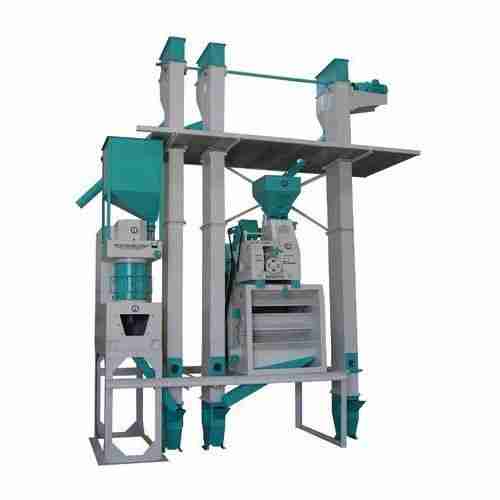
Understanding mini rice mill Plants and Their Value Proposition
mini rice mill plants have revolutionized the way rice processing is approached, presenting an invaluable opportunity for small to medium-sized enterprises. These compact systems are designed to efficiently convert paddy into polished rice, offering several advantages that cater to both new and experienced entrepreneurs. By investing in a mini rice mill, business owners can enjoy lower operational costs, reduced processing time, and the versatility to serve both local and regional markets. Moreover, these plants are often more accessible due to their smaller scale, allowing aspiring rice mill operators to enter the industry with manageable capital.
The value proposition of mini rice mill plants extends beyond processing efficiency. They create a sustainable framework for local economies, enabling farmers to add value to their produce right in their communities. The benefits include:
- High-quality output: The technology ensures minimal grain breakage and a high yield of market-ready rice.
- Energy efficiency: Many mini plants are designed to operate on less power, making them eco-friendly options.
- Flexibility: They can handle various rice varieties, adapting to market demands.
| Feature | Benefit |
|---|---|
| Compact Design | Easy installation and minimal space requirements |
| Cost-Effective | Lower investment compared to larger mills |
| Local Processing | Supports the local economy and farmers directly |
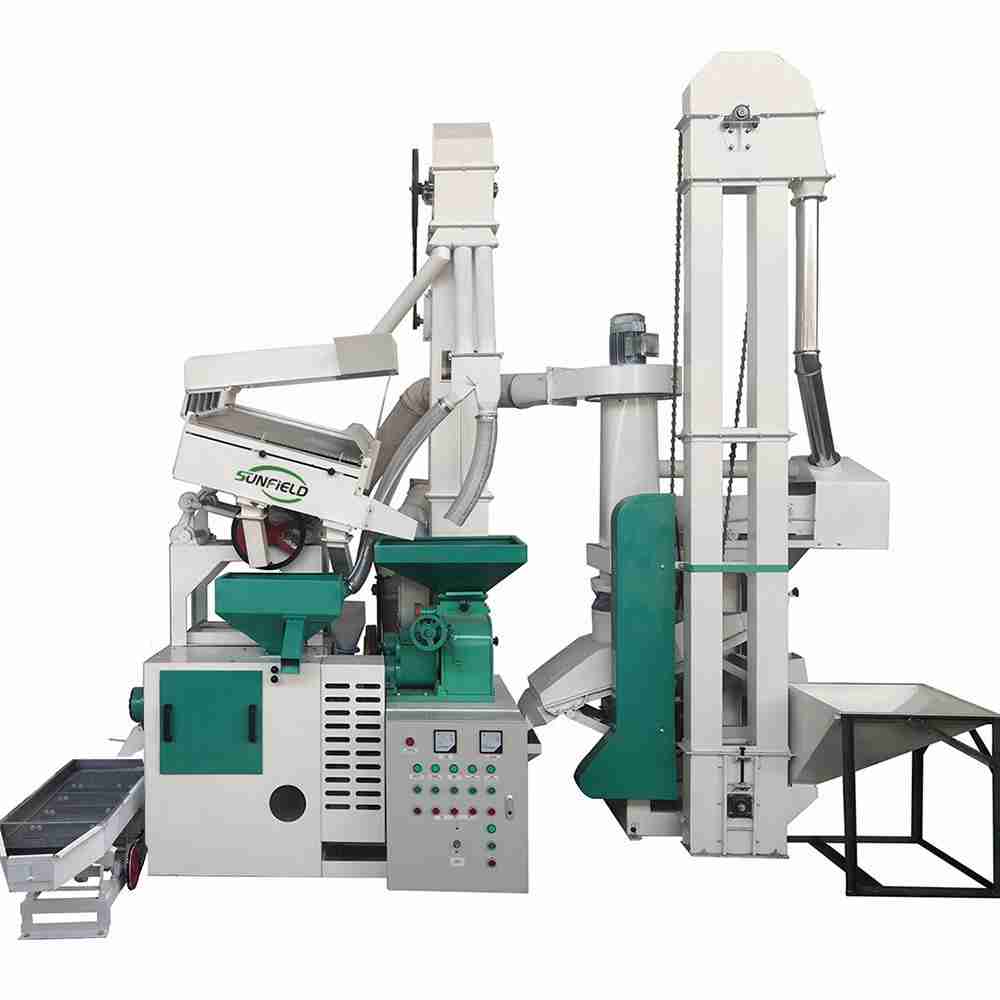
Key Benefits of Implementing a mini rice mill Plant in Your Operations
Integrating a mini rice mill plant into your operations presents a range of significant advantages that can elevate your business. First and foremost, it empowers you to achieve greater control over the milling process, allowing for customization based on quality, taste, and market demand. By processing your own rice, you can ensure that the grains meet your specific standards, thus improving customer satisfaction. Moreover, it enhances your supply chain efficiency, eliminating the dependency on third-party milling services and reducing lead times. This not only minimizes costs associated with outsourcing but also ensures a more consistent quality of the final product.
Another key benefit lies in the potential for increased profitability. A mini rice mill plant can significantly reduce operational costs, as it often requires a lower initial investment and less space compared to larger milling facilities. Additionally, it allows for diversifying your product offerings, such as producing flour, bran, and even rice by-products, which can attract new markets and enhance your revenue streams. The ability to process rice in smaller batches means you can respond swiftly to market fluctuations without overcommitting resources, ensuring your business stays agile and competitive in an evolving landscape. Consider the following:
| Benefits | Description |
| Control | Tailored milling results that meet specific quality standards. |
| Cost-Effective | Lower investment and operational costs compared to larger plants. |
| Efficiency | Reduction in lead time and dependency on third-party service providers. |
| Profitability | Diversified product offerings for additional revenue streams. |
Cost-Efficiency and Sustainability: The Economic Advantage of Mini Mills
Investing in mini rice mills presents a remarkable opportunity for businesses to enhance their operational efficiency while minimizing costs. These compact systems require a lower initial investment compared to traditional large-scale mills, making them accessible for small-scale entrepreneurs and cooperative societies. Key advantages include:
- Reduced Operating Costs: Mini mills consume less power and have lower maintenance expenses, leading to enhanced profitability.
- Scalable Production: They easily adapt to varying production demands, allowing businesses to respond quickly to market changes.
- Local Sourcing: Mini mills often source rice from nearby farmers, promoting regional agriculture and facilitating a circular economy.
In addition to their cost benefits, mini rice mills support sustainable practices that contribute to long-term economic viability. By utilizing more efficient technologies, these mills not only reduce waste but also lessen environmental impact. Consider these sustainability benefits:
| Benefit | Details |
|---|---|
| Lower Carbon Footprint | Mini mills generally generate less greenhouse gas emissions compared to their larger counterparts. |
| Waste Management | Efficient processing reduces waste, enabling businesses to create by-products that can be sold or recycled. |
| Community Impact | Boosting local economies by creating jobs and supporting smallholder farmers strengthens community resilience. |
Strategic Recommendations for Selecting and Setting Up Your mini rice mill Plant
When considering the establishment of a mini rice mill, it’s essential to start with a clear plan that aligns with your business objectives. Assessing your target market is the first step; understanding the needs, preferences, and purchasing behaviors of potential customers will help you determine the scale and capacity of your mill. Next, evaluate various equipment options that suit your operational requirements. Look for machines that are energy-efficient, durable, and come with adequate technical support. Moreover, investing in modern technology can greatly enhance your milling process, leading to higher quality rice that attracts premium prices in the market.
Location plays a crucial role in the success of your mini rice mill. Choose a site that is close to raw material sources as well as accessible to transportation networks. Additionally, consider setting up connections with local farmers to establish a consistent supply chain. Be mindful of the regulatory requirements, ensuring compliance with food safety standards and environmental regulations. To facilitate smooth operations, develop a well-structured plan for workforce management. This includes training programs to enhance staff skills and efficiency. make use of effective marketing strategies to promote your mill, targeting local retailers and consumers to build a loyal customer base.
In Retrospect
embracing the advantages of a mini rice mill plant can be a transformative step for your business. Not only does it enhance efficiency and reduce operational costs, but it also empowers you to take control of the entire production process—from milling to marketing. The ability to cater to local demands with freshly milled rice positions your business at the forefront of an ever-evolving market. As you explore this opportunity, remember that the journey toward innovation is not merely about technology; it’s about crafting a sustainable future for both your enterprise and the community it serves. By investing in mini rice milling, you’re not just boosting your business; you’re contributing to a healthier food ecosystem. So, whether you’re a seasoned entrepreneur or just starting your venture, consider the potential of this small-scale yet impactful innovation. The future of rice milling awaits—will you seize the opportunity?



