
In a world increasingly focused on sustainability and efficiency, the humble rice grain, a staple food for billions, is experiencing a transformation that promises to reshape local economies and empower communities. Enter the mini rice mill revolution—a movement that is not just about processing grains but about unlocking potential. As small-scale farmers and entrepreneurs embrace innovative milling technologies, they are redefining the relationship between production and consumption, cultivating a pathway to greatness from the fields to the markets. This article delves into the impact of mini rice mills, exploring how they are enhancing productivity, reducing waste, and fostering economic resilience. Join us as we journey through the fields where passion meets innovation, turning grain into a catalyst for change.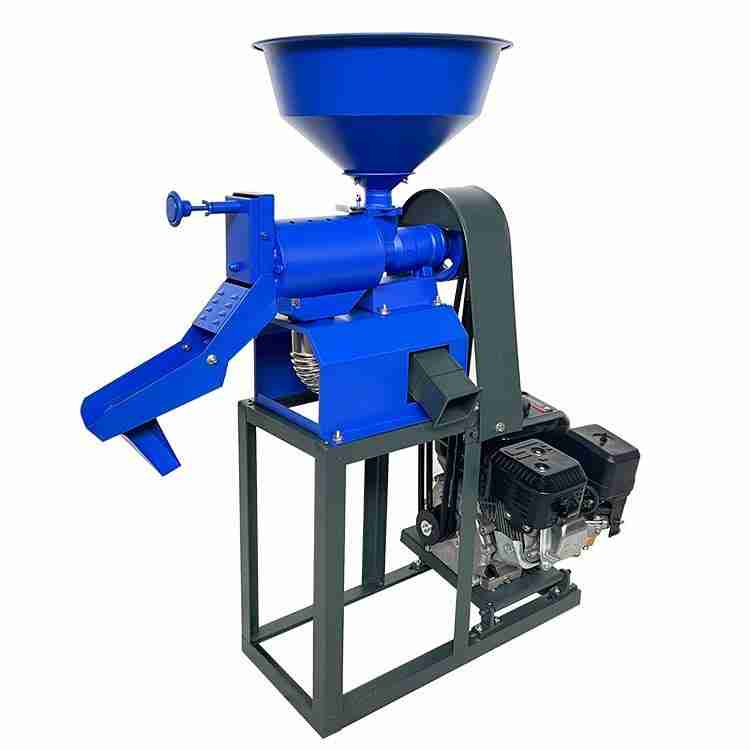
The Rise of Mini Rice Mills and Their Impact on Local Economies
As villages and small towns pivot towards self-sustaining models, the emergence of mini rice mills has catalyzed significant economic transformations in agrarian communities. These compact facilities provide farmers with an accessible means to process their produce directly, reducing reliance on larger, often distant, milling operations. The benefits of establishing mini rice mills are profound, including:
- Enhanced profitability: By eliminating intermediaries, farmers can receive higher prices for their milled rice.
- Job creation: Mini rice mills require local labor, providing employment opportunities and boosting household incomes.
- Community engagement: These mills often serve as community hubs, fostering collaboration and support among farmers.
Moreover, the accessibility of mini rice mills has been pivotal in transforming local economies, allowing even the smallest farmers to engage competitively in the market. Their ability to produce high-quality rice tailored to local tastes opens new avenues for business, such as:
- Mobile milling services: Entrepreneurs can offer on-demand milling for remote areas, tapping into previously underserved markets.
- Direct sales channels: Farmers can partner with local businesses to offer milled rice, creating mutually beneficial arrangements.
- Novel product development: The versatility of processed rice enables farmers to diversify into value-added products, like flour or rice snacks.
| Benefit | Description |
|---|---|
| Profit Margins | Increased income for farmers due to reduced processing costs. |
| Local Economy | Circulation of money within the community leads to broader economic growth. |
| Food Security | Local milling contributes to sustainable food sources for families and communities. |

Harnessing Technology for Enhanced Efficiency and Quality
In the ever-evolving world of agriculture, the integration of cutting-edge technology in mini rice mills is transforming traditional grain processing into a streamlined, efficient operation. By adopting innovative tools and machinery, these mills can achieve remarkable improvements in both quality and productivity. The incorporation of advanced milling techniques, such as laser sorting technology and automated monitoring systems, allows for precision in every grain processed. Key benefits include:
- Improved Yield: Enhanced milling efficiency increases overall grain yield, maximizing profits for farmers.
- Consistency in Quality: Modern equipment ensures uniform milling, reducing broken rice and improving overall product grade.
- Faster Processing Times: Automation minimizes manual labor, allowing for quicker turnaround, which is essential during peak harvest times.
- Energy Efficiency: Newer machines consume less energy, promoting sustainable practices within grain processing.
Furthermore, these advancements foster a more sustainable approach to grain processing. With real-time data analytics, mill operators can monitor performance metrics, identify areas for improvement, and adjust processes swiftly to meet market demands. Notably, the implementation of technology not only enhances operational efficiency but also encourages quality assurance through meticulous control measures. Below is a glimpse of how technology is shaping the future landscape of mini rice mills:
| Technology | Impact |
|---|---|
| Smart Sensors | Precision in moisture control and grain quality assessment. |
| Data Management Systems | Streamlined operations through real-time monitoring and forecasting. |
| Robotic Process Automation | Reduction in labor costs and operational errors. |
Sustainability Practices in mini rice mill Operations
Mini rice mills have become pioneers of sustainability in the agricultural sector, intertwining traditional practices with cutting-edge technology. By harnessing small-scale operations, these mills employ eco-friendly techniques that significantly reduce their carbon footprint. Energy-efficient machinery is a cornerstone of their operational philosophy, ensuring that less electricity is consumed during milling. Furthermore, waste materials generated during the milling process are repurposed, contributing to a circular economy. This includes turning by-products into animal feed or organic fertilizers, thereby fostering agricultural biodiversity and reducing waste in the environment.
Water conservation is another vital aspect of sustainable practices within mini rice mill operations. Many mills have adopted closed-loop water systems that recycle waste water, significantly lessening the demand for freshwater resources. Additionally, the implementation of solar-powered equipment offers a renewable alternative to conventional energy sources, further driving down environmental impact. As a community-centered approach, these mills often engage local farmers, ensuring that practices promote regional development while minimizing transport emissions. this blend of responsible sourcing, resource efficiency, and local engagement sets a new standard for sustainability in rice milling.
Empowering Farmers through Education and Community Engagement
Education stands as the cornerstone for farmers embracing the mini rice mill revolution, transforming traditional practices into modern agribusiness. By equipping farmers with knowledge not only about milling techniques but also about market dynamics, they can harness the full potential of their rice production. Workshops and training sessions are instrumental in this journey, enabling farmers to learn about:
- Efficient Milling Practices: Understanding the mechanics of the mini rice mill to maximize output.
- Quality Control: Techniques to ensure that the milled rice meets market standards.
- Financial Literacy: Managing earnings and investing in further improvements.
Community engagement is equally vital in fostering a supportive ecosystem that encourages growth and collaboration. By creating local cooperatives, farmers can share resources and knowledge while collectively accessing better marketing strategies. These groups may organize:
- Field Days: Showcasing best practices and innovations in farming techniques.
- Market Days: Directly connecting producers with consumers for fair pricing.
- Feedback Forums: Allowing farmers to voice challenges and solutions, thus creating a cycle of continuous improvement.
| Benefits of Mini Rice Mills | Impact on Farmers |
|---|---|
| Increased Efficiency | Reduced processing time and labor costs |
| Higher Quality Output | Improved marketability and consumer demand |
| Access to Knowledge | Empowered decision-making through education |
| Community Support | Stronger ties within the agricultural ecosystem |
Concluding Remarks
As we conclude our exploration of the mini rice mill revolution, it becomes clear that this transformative technology extends beyond mere efficiency and convenience—it encapsulates a movement toward sustainability, economic empowerment, and community resilience. By enabling smallholder farmers and local entrepreneurs to process rice with ease, mini rice mills are not only elevating the quality of staple food but also fostering a spirit of entrepreneurship and innovation in rural areas.
The journey of grain to greatness is not just a narrative of machinery and production; it’s a testament to the potential that lies in even the smallest of solutions. As we embrace these changes, we are reminded that progress is often found in the most unexpected places. The future of rice milling is no longer confined to large-scale operations; it is being redefined at the grassroots level, where every grain processed represents a step toward enhancing livelihoods and nourishing communities.
As we look to the horizon, let us celebrate the mini rice mill’s role in shaping a more equitable agricultural landscape. With continued investment and support, this revolution promises not only to transform grain into greatness but to cultivate hope, independence, and prosperity for generations to come. The road ahead is paved with potential, and together, we can ensure that every kernel contributes to a brighter future.



