
In a world where food security and sustainability are increasingly at the forefront of global conversations, the humble rice grain emerges as a silent yet powerful player. From the bustling streets of Asia to the distant shores of South America, rice is not just a staple; it is a cultural cornerstone and a lifeline for millions. But behind every grain lies a complex process that transforms raw harvests into the polished, white grains we often take for granted. Enter rice mills: the unsung heroes of the agricultural landscape. These facilities are at the heart of a crucial journey, where agrarian effort meets innovative technology, ensuring efficiency and quality in rice production. As we explore the pivotal role rice mills play in today’s food systems, we unveil their impact on economic sustainability, community livelihoods, and the future of global food security. Join us as we delve into the intricacies of rice milling and discover how these operations are essential not just for processing rice, but for shaping communities and addressing the challenges of the modern world.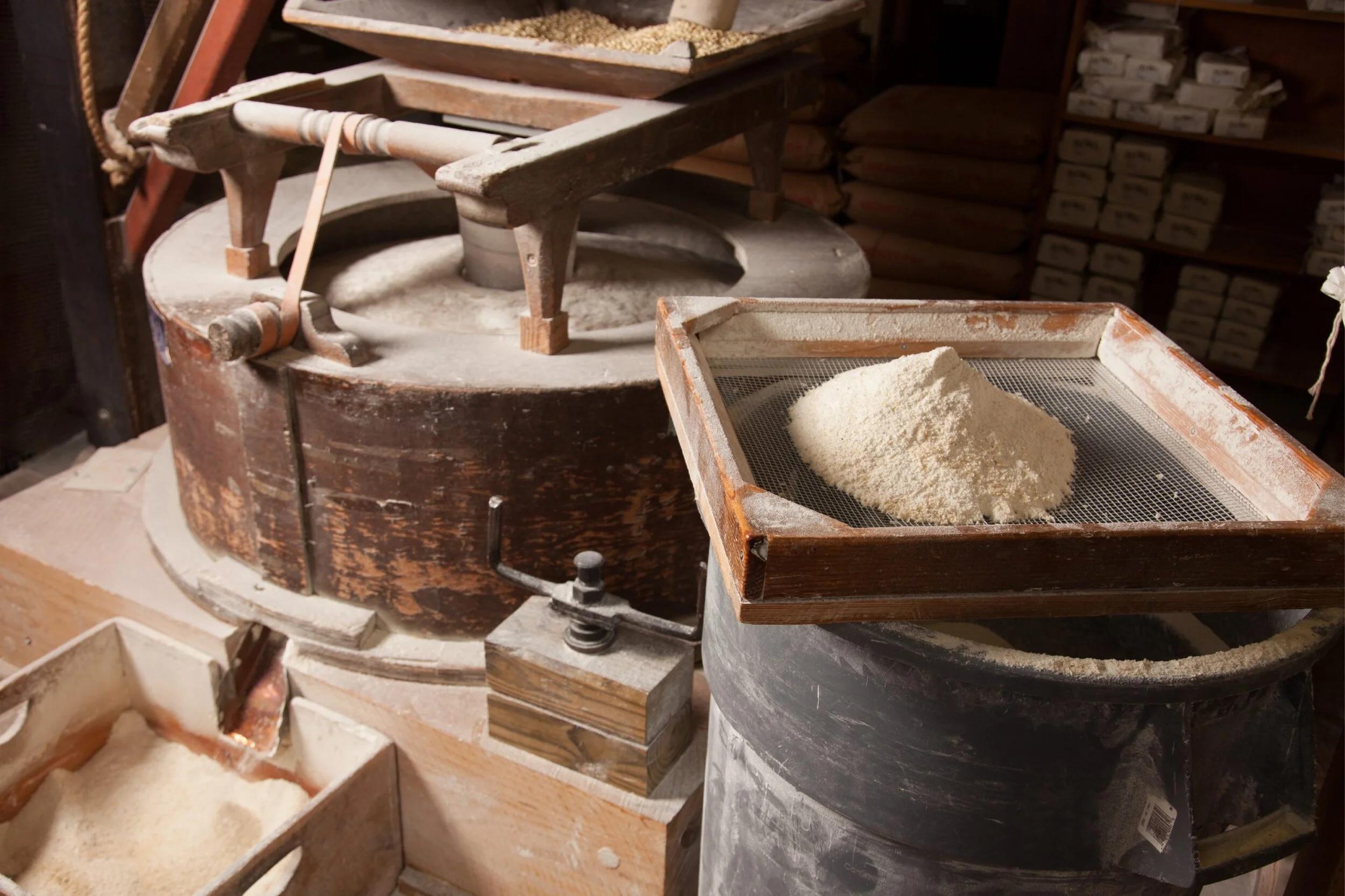
Understanding the Mill: The Science Behind Grain Processing
The process of grain milling is steeped in both tradition and innovation, rooted in the delicate balance of preserving flavor and enhancing functionality. At the heart of rice milling lies a series of carefully orchestrated steps designed to transform raw grains into finished products that meet the ever-evolving needs of consumers. The journey begins with cleaning and testing, where grains are meticulously sorted to remove impurities. Following this, the hulling process removes the inedible outer layer, ensuring the grain is suitable for consumption. The subsequent steps—whitening, polishing, and grading—further refine the rice, resulting in the lustrous grains that are loved in kitchens worldwide.
Understanding the scientific principles behind these milling processes highlights the importance of technology in enhancing efficiency and quality. For instance, the use of mechanical forces during the hulling process can significantly reduce breakage, allowing for higher yields of whole grains. Moreover, the incorporation of modernized machinery equipped with sensors and automation allows millers to achieve consistent results while optimizing resource use. This blend of time-honored methods and cutting-edge technology not only preserves the nutrient content of the rice but also meets the demands for clean label products in today’s market.
| Process Stage | Description |
|---|---|
| Cleaning | Removal of dirt and impurities. |
| Hulling | Separation of the outer shell from the grain. |
| Whitening | Removal of the bran layer for a polished appearance. |
| Polishing | Enhancement of the grain’s luster and texture. |
| Grading | Sorting of rice based on size and quality. |
Sustainability in Action: Eco-Friendly Practices in Rice Milling
In the quest for sustainable practices, modern rice milling operations are increasingly adopting eco-friendly measures that not only enhance their efficiency but also minimize their environmental footprint. By investing in energy-efficient machinery, mills can significantly reduce their power consumption, leading to lower greenhouse gas emissions. Water recycling systems are also gaining prominence, allowing mills to reclaim and reuse water during the milling process, thus preserving this precious resource. Additionally, many facilities now utilize biomass waste generated from rice husks and bran as a renewable energy source, promoting a circular economy of use and reuse.
| Eco-Friendly Practice | Benefits |
|---|---|
| Energy-efficient Machinery | Reduces electricity consumption and emissions |
| Water Recycling Systems | Conserves water, reducing the strain on local sources |
| Biomass Utilization | Generates renewable energy from waste by-products |
Furthermore, many rice mills are embracing sustainable sourcing by partnering with local farmers who practice environmentally friendly agriculture. This collaboration not only strengthens the local economy but also promotes biodiversity and soil health. Mills can also engage in educational outreach, training farmers on sustainable cultivation techniques and the benefits of reduced chemical use, fostering a more harmonious relationship between agriculture and the environment. By focusing on such initiatives, the rice milling industry can contribute significantly to the global objective of sustainable food production.
Empowering Communities: The Economic Impact of Local Rice Mills
Local rice mills serve as pivotal economic engines within their communities, driving not only agricultural productivity but also creating a vibrant local economy. By operating nearby, these mills minimize transportation costs for farmers, allowing them to retain a larger portion of their profits. Additionally, they generate employment opportunities that extend beyond the mill itself; locals find jobs in surrounding sectors such as truck transportation, distribution, and retail. The ripple effect of this economic activity can be seen through:
- Job Creation: Employment opportunities in milling, maintenance, and sales.
- Increased Income: Farmers earn more as they spend less on transport.
- Local Investments: Financial support for local businesses that cater to the mill’s workforce.
Moreover, local rice mills contribute significantly to food security by ensuring a consistent supply of processed rice to the community at competitive prices. This accessibility reduces reliance on distant suppliers, which may be affected by market fluctuations or supply chain disruptions. In addition, rice mills often engage in community development initiatives, further strengthening their role as community leaders. For instance, they may sponsor:
- Health Programs: Initiatives aimed at improving local healthcare.
- Educational Workshops: Programs to educate farmers on best practices.
- Sustainability Projects: Efforts to promote eco-friendly farming techniques.
Future Innovations: Advancements Shaping the Rice Milling Industry
The rice milling industry is witnessing a revolutionary transformation driven by cutting-edge innovations that enhance productivity and sustainability. One of the most significant advancements is the integration of smart technologies into milling processes. By leveraging Internet of Things (IoT) devices, rice mills can now monitor and optimize operations in real-time, ensuring not only efficiency but also quality control. These systems enable millers to track moisture levels, adjust milling parameters automatically, and manage energy consumption, ultimately leading to reduced waste and lower operational costs.
Moreover, the advent of biotechnological advancements has been a game-changer for rice milling. Genetic engineering and crop manipulation are allowing the development of rice varieties with improved resistance to pests and diseases, which can be directly translated into higher yields for mills. Additionally, innovations in recycling and waste management technologies are ensuring that not a single grain goes to waste. The by-products of rice milling, such as husks and bran, are now being utilized in bioenergy production and functional food ingredients, adding value to what was once considered waste. This synergy between technological advancement and sustainable practices signals a promising future for the rice milling sector.
| Innovation | Impact | Benefits |
|---|---|---|
| IoT Integration | Real-time monitoring | Improved efficiency |
| Biotechnology | Higher crop yields | Reduced losses |
| Recycling Technologies | Waste reduction | Resource optimization |
Closing Remarks
In an era where the conversation around food sustainability and efficiency is more crucial than ever, rice mills stand as unsung heroes in the global agricultural landscape. By transforming harvested grains into essential staple foods, they not only enhance rice’s nutritional value but also streamline distribution, ensuring that millions around the world have access to this vital resource. As we move forward, the evolution of rice milling technology and practices will be pivotal in addressing the challenges of food security and environmental preservation. The journey of grain from field to fork is a complex tapestry woven with innovation, tradition, and sustainability. Embracing the essential role of rice mills today paves the way for a more resilient tomorrow, where every grain counts in the quest for a better global food system. Let us appreciate and support the mechanisms that make this transformation possible, for in their success lies the promise of nourishment for generations to come.



