
The Heart of Grain: Exploring the World of Rice Mills
In the gentle embrace of sprawling fields, where golden grains sway like an undulating sea, the journey of rice begins. This humble staple, cherished across cultures and continents, transitions from farm to table through the rhythmic dance of the rice mill—a vital nexus where tradition meets technology. Beneath the spires of silos and the whir of machinery, the process of transforming raw paddy into polished grains unfolds. Our exploration into the world of rice mills invites you to uncover the intricate artistry behind this age-old practice, the innovations shaping its future, and the heartbeat of a global industry that nourishes millions. Join us as we delve deep into the world of rice mills, where every grain tells a story of culture, craftsmanship, and connection.
The Historical Significance of Rice Mills in Cultivating Local Economies
The evolution of rice mills has been a cornerstone in the development of agrarian societies, influencing not only agricultural practices but also the economic frameworks surrounding them. Historically, these establishments served as essential hubs for milling raw grain into consumable products, fostering local entrepreneurship and providing employment opportunities. In regions where agriculture predominantly defines the local culture, the establishment of rice mills has facilitated the transformation of rice production from mere subsistence farming into a thriving industry. This transition allowed smallholder farmers to attain greater profitability, as they could process their crops locally rather than relying on distant markets, thus retaining a larger portion of the value chain.
Additionally, rice mills have played a crucial role in enhancing community cohesion and resilience. By creating a centralized location for milling services, they have encouraged collaboration among farmers, leading to the establishment of cooperatives and shared marketing strategies. This collective approach has strengthened local economies, enabling communities to sustain themselves more effectively against market volatility. Furthermore, the rise of rice mills has stimulated ancillary services and industries, including transportation, storage, and retail, ultimately contributing to a diversified economic landscape. The impact is especially pronounced in rural areas, where these mills serve as symbols of innovation and self-reliance in the face of modernization.
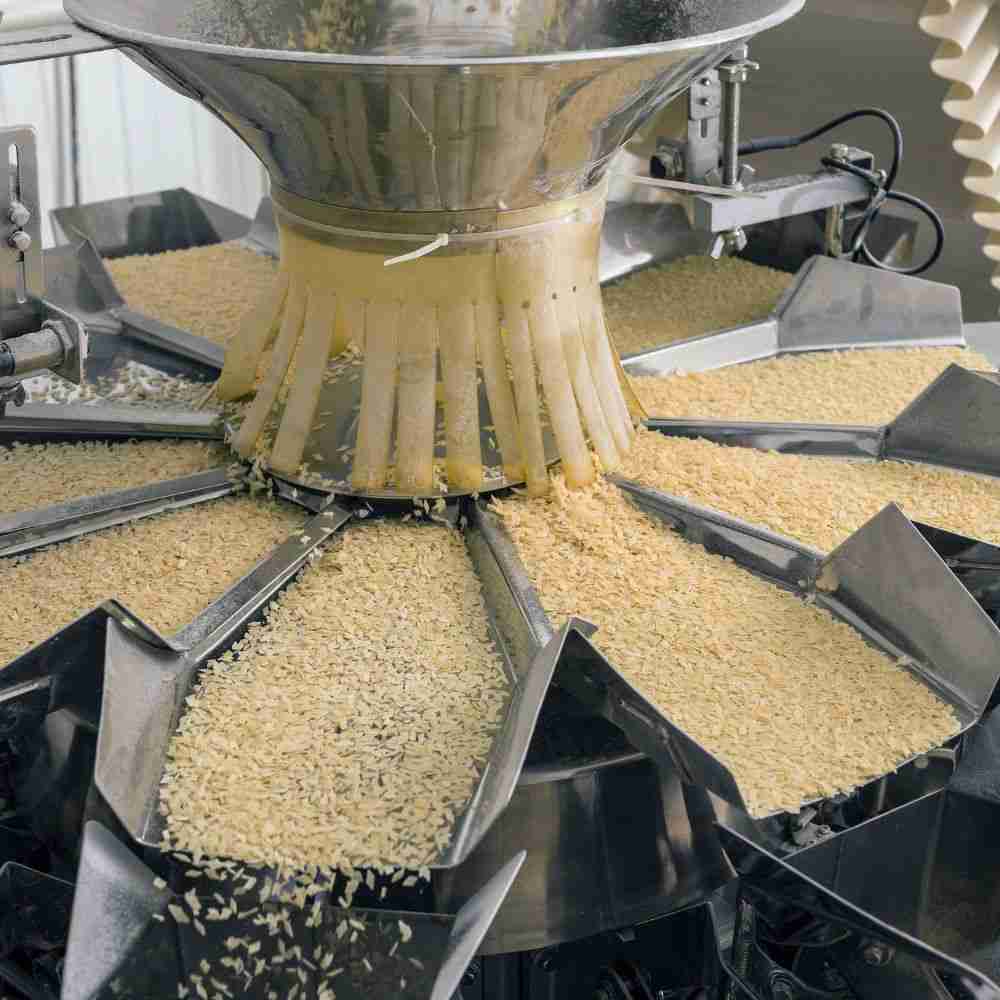
Understanding the Rice Milling Process: From Seed to Shelf
The journey of rice from its humble origins as a grain seed to its polished form ready for your dinner table is a complex process, steeped in tradition and technology. Initially, the rice paddy is harvested, a labor-intensive task that requires precision and care. Once gathered, the grains are subjected to a series of cleaning processes to remove impurities. This phase is crucial, as foreign materials and damaged grains can affect not only the cooking quality but also the overall taste of the rice. The cleaned rice then undergoes drying to attain optimal moisture content, ensuring that the grains do not spoil during milling. This crucial step prepares the rice for the milling phase, where it will be hulled and polished to enhance its edibility and shelf-life.
The milling process can be broken down into several key stages, each contributing to the final product. In this process, rice undergoes the following steps:
- Hulling: The outer husk of the rice grain is removed.
- Polishing: The brown rice is polished to produce white rice, removing bran layers.
- Sorting: Grains are sorted by size and quality, ensuring uniformity.
- Packaging: The finished product is packaged for distribution, often with careful attention to branding and marketing.
| Stage | Description |
|---|---|
| Harvesting | Collecting mature rice plants from the fields. |
| Cleaning | Removing impurities and damaged grains. |
| Drying | Reducing moisture content to prevent spoilage. |
| Milling | Hulling and polishing to produce the final product. |
| Packaging | Preparing rice for sale and distribution. |
Understanding these stages highlights not just the labor involved but also the precision required to meet the high standards of consumers. Each step plays a vital role in enhancing the quality of the rice we consume, transforming a simple grain into a staple food that nourishes millions worldwide.
Innovative Technologies Transforming Rice Mill Operations
As rice mills transition into the future, several groundbreaking technologies are stepping in to redefine traditional operations. Automated milling systems are enhancing efficiency by minimizing manual labor and reducing human error. Sensor-integrated machinery now monitors moisture levels and grain quality in real-time, ensuring that only the best rice reaches the market. This technology simplifies the sorting and grading processes, allowing operators to focus on optimization rather than correction. Additionally, data analytics tools provide insights into production patterns, helping mill owners make informed decisions about when to harvest and process grains.
Furthermore, sustainable practices embedded in modern rice milling technologies are fostering environmental responsibility. Energy-efficient equipment reduces power consumption, making operations not only cost-effective but also eco-friendly. Innovations such as biogas recovery systems transform waste into energy, creating a circular economy within mills. Moreover, advancements in digital platforms have enabled remote monitoring and management, allowing operators to adjust settings and conduct maintenance from their devices. As these technologies evolve, they not only enhance productivity but also pave the way for a more sustainable future in rice milling.
Sustainable Practices in Rice Milling for a Greener Future
In the quest for a greener future, rice milling operations are making strides by integrating sustainable practices throughout their processes. One significant approach is the implementation of energy-efficient machinery, which minimizes energy consumption and reduces carbon footprints. By embracing renewable energy sources, such as solar and biomass, rice mills can power their operations without relying exclusively on fossil fuels. Additionally, many mills are adopting methods like closed-loop water systems, which recycle water used in the milling process, thus conserving this precious resource and decreasing wastewater generation.
Another innovative facet is the utilization of by-products generated during milling. By transforming rice husk, bran, and even paddy straw into valuable resources, mills are not only minimizing waste but also contributing to a circular economy. Such by-products can serve various purposes, including animal feed, biomass fuel, and organic fertilizers, creating an environmentally friendly cycle. Furthermore, integrating local farming practices into the supply chain enhances sustainability by reducing transportation needs and supporting community economies. Through these efforts, rice milling is evolving into a model of sustainability, promoting resilience in both the industry and the planet.
Future Outlook
As we conclude our journey through the intricate world of rice mills, we find ourselves at the intersection of tradition and innovation. The heart of grain beats vibrantly within these structures, where the simple act of milling transforms humble rice into a staple that nourishes millions. From the rhythmic clatter of machinery to the skilled hands that sort and package each grain, rice mills encapsulate a rich tapestry of cultural significance and economic vitality.
As we’ve discovered, the processes that unfold within these walls are not merely about production; they embody a deep respect for the land, the labor, and the legacies of those who have cultivated rice for generations. The role of rice mills is crucial in ensuring food security, sustaining livelihoods, and preserving culinary heritage across the globe.
In delving into the heart of grain, we have unearthed stories of resilience, innovation, and community that pulse through every kernel of rice. As this exploration comes to a close, we are reminded of the vital connection we share with our food sources and the importance of supporting the systems that bring them to our tables. The journey of rice, from field to mill, and finally to our plates, is a testament to the power of agriculture and the enduring significance of this life-sustaining grain. So, the next time you savor a bowl of rice, take a moment to appreciate the myriad hands and hearts that made it possible. The story of rice is far from over—it continues to evolve, reflecting both our past and our future.



