
In an era where sustainable practices and technological innovations are at the forefront of global conversations, agriculture is undergoing a significant transformation. One of the most remarkable advancements in this field is the rise of the combine mini rice mill—a compact yet powerful solution that is revolutionizing rice production. Designed to cater to the needs of small-scale farmers, these mills are not just about efficiency; they represent a pivotal shift towards revitalizing agriculture by making grain processing more accessible and sustainable. As the world grapples with food security and a growing population, the combine mini rice mill emerges as a beacon of hope, promising to enhance productivity while minimizing environmental impact. In this article, we will explore the significance of this innovation, delving into its benefits, challenges, and the potential it holds for the future of farming. Join us on a journey through the fields where tradition meets technology, and discover how a small machine is making a big difference.
Exploring the Eco-Friendly Benefits of Combine Mini Rice Mills
The advent of combine mini rice mills brings with it a wave of sustainable practices that are reshaping the agricultural landscape. These innovative machines not only increase efficiency but also contribute significantly to reducing the carbon footprint associated with traditional rice milling techniques. By integrating multiple processes, such as harvesting, threshing, and milling, into a single machine, these mills minimize energy consumption and fuel use, leading to fewer greenhouse gas emissions. This efficient mechanism allows farmers to optimize resource usage, which is paramount in an era demanding sustainable agricultural solutions.
Moreover, combine mini rice mills are designed with eco-friendly materials and practices, reinforcing their role in promoting sustainable farming. Some of the key environmental benefits include:
- Reduction of Waste: By processing rice in a more streamlined fashion, less by-product is discarded, fostering a circular approach to agriculture.
- Improved Soil Health: The by-products from milling, such as husks and bran, can be repurposed as organic fertilizers, enhancing soil fertility.
- Water Conservation: The efficiency of these mills often leads to lower water usage during the milling process compared to traditional methods.
To further illustrate the eco-friendly impact of combine mini rice mills, consider the following table:
| Feature | Eco-Friendly Benefit |
|---|---|
| Integrated Operations | Minimizes energy consumption and fuel usage. |
| Organic Waste Utilization | Promotes soil health through repurposed by-products. |
| Water Efficiency | Lowers water usage in the milling process. |
These features clearly demonstrate how combine mini rice mills are not merely tools for agricultural success but also pivotal in fostering a sustainable future in farming. By harnessing technology with environmental consciousness, they offer a productive path forward in rice production.
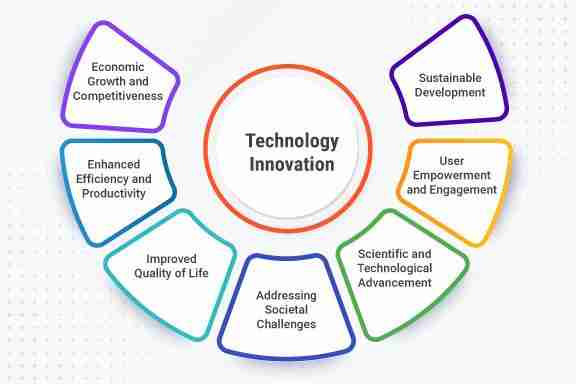
Innovative Technologies Driving Efficiency in Modern Rice Processing
The landscape of rice processing is undergoing a remarkable transformation with the advent of innovative technologies. One standout advancement is the Combine mini rice mill, designed to not only streamline operations but also enhance the quality of the final product. Unlike traditional methods, which often require multiple machines for different stages of processing, this compact solution integrates several functions into a single unit. Beneficial features include:
- Automation: Reduces labor costs and minimizes human error.
- Energy Efficiency: Consumes less power compared to conventional mills.
- Compact Design: Ideal for small-scale farmers and cooperative societies.
- Versatility: Capable of processing various rice varieties.
Moreover, data-driven solutions are being implemented to further fine-tune processing methodologies. Utilizing IoT (Internet of Things) sensors, farmers can monitor and analyze key performance metrics in real time. This leads to informed decisions that optimize production cycles and resource allocation. A simple comparison of traditional versus modern rice milling showcases these advancements in efficiency:
| Aspect | Traditional Milling | Combine Mini Rice Milling |
|---|---|---|
| Set-Up Time | Long | Minimal |
| Labor Requirements | High | Reduced |
| Energy Consumption | High | Low |
| Output Quality | Variable | Consistent |
These innovative technologies not only promise higher efficiency but also pave the way for a sustainable agricultural future, ensuring that rice producers can compete effectively in a global market while minimizing their environmental impact.
Empowering Small Farmers: Economic Impact of Mini Rice Mills
The advent of mini rice mills has brought forth a transformative wave in the agricultural landscape, particularly for small farmers. With lower initial investment and reduced operational expenses, these mini mills are ensuring that smallholders can independently process their rice. This independence not only leads to higher profits but also creates a new level of economic stability within rural communities. By eliminating the need to rely heavily on large commercial mills, farmers gain control over the milling process, which ultimately allows for better quality assurance and the ability to cater to local market demands.
Furthermore, the economic impact extends beyond individual farmers to the broader community. The establishment of local mini rice mills generates job opportunities and fosters entrepreneurship as farmers can co-operatively invest in these ventures. They also contribute to the local economy by providing essential services, which can lead to increased purchasing power within the community. Some key benefits include:
- Job Creation: Direct employment in milling operations.
- Local Investments: Farmers investing in communal resources.
- Enhanced Local Markets: Improved access to quality rice products.
Moreover, it is essential to recognize how these mini rice mills support sustainable agricultural practices. By promoting efficient milling processes with energy-saving technologies, they help mitigate environmental impact while enhancing productivity. This newfound balance between economic viability and ecological responsibility is what sets these mills apart in revitalizing the agricultural sector.
Sustainable Practices: Enhancing Agricultural Resilience through Expert Insights
The rise of the combine mini rice mill has ushered in a transformative approach to rice farming, empowering local farmers with accessibility and efficiency. These compact mills not only reduce the energy consumption typically associated with larger industrial machinery but also streamline the entire milling process. Benefits of integrating these mini mills include:
- Cost-effectiveness: Lower upfront investment and reduced operational costs.
- Eco-friendliness: Minimal waste production and lower emissions.
- Smallholder empowerment: Enabling farmers to manage their own milling, increasing profit margins.
Moreover, the design of these mills supports sustainable practices by encouraging on-site milling, which contributes to community resilience. By eliminating the need for extensive transport systems, the reliance on fossil fuels decreases significantly, enhancing local economies. A comparison of traditional rice milling methods versus the combine mini rice mill is as follows:
| Aspect | Traditional Methods | Combine mini rice mill |
|---|---|---|
| Energy Consumption | High | Low |
| Cost | Higher operational costs | Economical |
| Transportation Needs | Long distances | Minimal |
The Way Forward
the emergence of the combine mini rice mill marks a transformative chapter in the landscape of agriculture. By marrying traditional practices with cutting-edge technology, this innovative tool not only enhances the efficiency of rice production but also empowers small-scale farmers to thrive in a competitive market. As we stand at the intersection of technology and sustainability, the potential of the combine mini rice mill extends far beyond the fields—it symbolizes a movement towards a more resilient and self-sufficient agricultural future. Embracing such advancements can lead to improved livelihoods, food security, and an increased appreciation for the vital role that agriculture plays in global economies. As we look ahead, it’s clear that the seeds sown by this innovation will yield benefits for generations to come, cultivating a landscape ripe for growth, adaptation, and renewal.



