
In an era where innovation meets necessity, the agricultural sector stands at a crucial crossroad, poised for transformation. Enter the mini rice mill: a compact yet powerful tool that is revolutionizing the way rice is processed and, by extension, how farmers approach their craft. As the world grapples with the challenges of food security and sustainable practices, the versatility of these mini mills has emerged as a beacon of hope. They not only streamline production but also empower smallholder farmers, enhance local economies, and promote resource-efficient techniques. This article delves into the multifaceted role of mini rice mills, exploring their impact on agriculture, communities, and the broader landscape of food production, proving that sometimes, the smallest equipment can create the most significant ripple effects.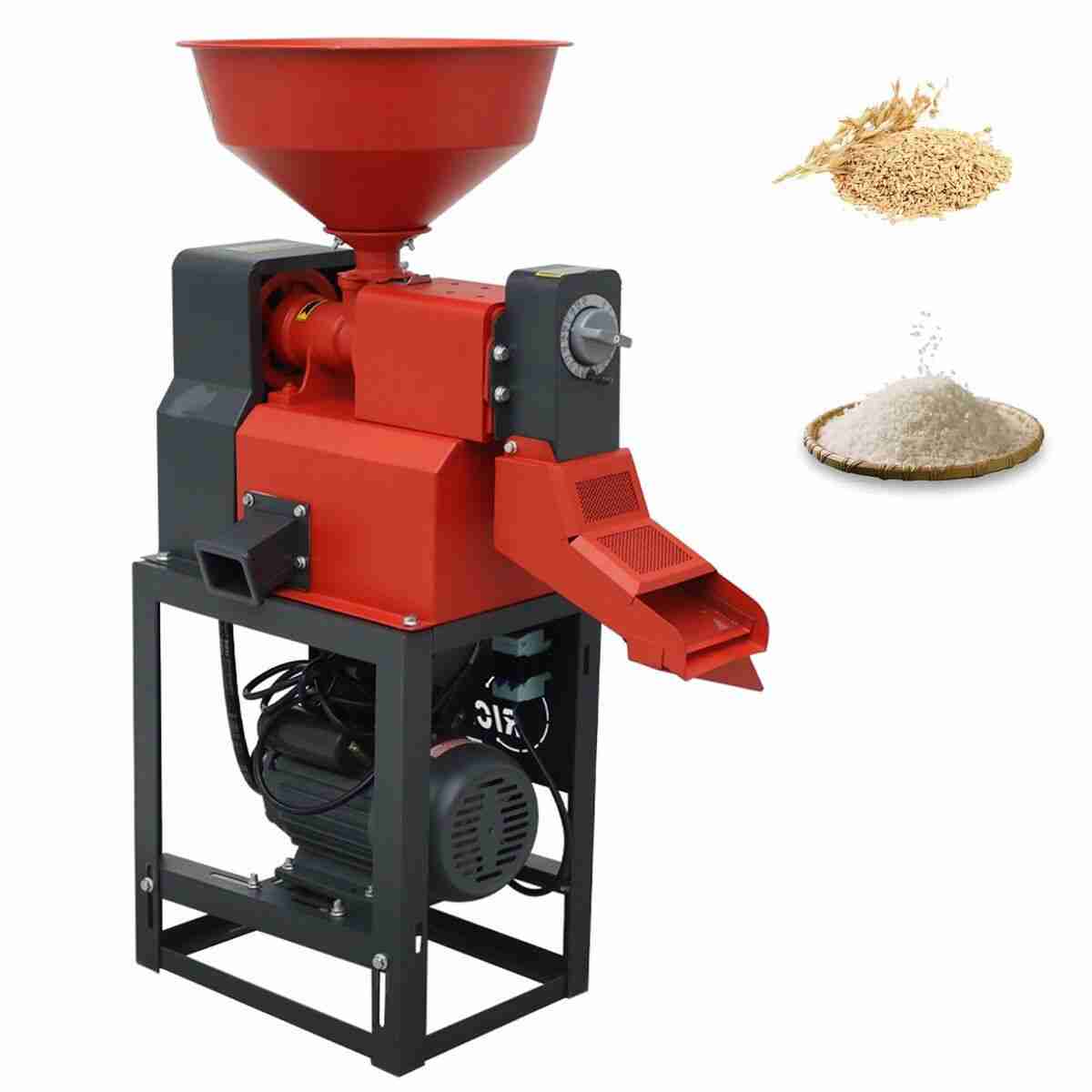
Understanding the Impact of Mini Rice Mills on Smallholder Farmers
Mini rice mills serve as a transformative tool for smallholder farmers, enabling them to elevate their production capacities and improve their economic standing. These compact machines offer a myriad of benefits that go beyond mere convenience. By facilitating efficient processing of rice, farmers can reduce post-harvest losses significantly. This processing capability not only preserves the quality of the grain but also ensures that farmers can cater to local and regional markets effectively. The ability to mill rice on-site reduces the dependence on large milling facilities, thus allowing farmers to retain a substantial portion of their profits.
The versatility of mini rice mills extends into various dimensions of agricultural life. They empower smallholders to:
- Enhance self-sufficiency: Farmers can process their own harvests, ensuring freshness and quality.
- Diversify income streams: By offering milling services to neighboring farms, they can create additional revenue sources.
- Support local economies: Increased local milling leads to a rise in employment opportunities and community engagement.
Moreover, innovative designs mean that these mills are often adaptable to varying scales of production, allowing farmers to choose a model that best fits their needs. As a result, mini rice mills are not merely machines; they symbolize a step towards greater agricultural independence and sustainability for smallholder farmers.

Enhancing Productivity and Efficiency Through Modern Milling Technology
The advent of modern milling technology has been a game changer in enhancing agricultural productivity. With the introduction of state-of-the-art mini rice mills, farmers are now able to streamline their operations significantly. These compact milling systems not only reduce the overall processing time but also improve the quality of the rice produced. Key benefits include:
- Reduced Labor Costs: Automated processes minimize the need for extensive manpower.
- High Efficiency: Advanced designs optimize the milling process, maximizing output.
- Energy Savings: Modern mills are designed to consume less energy than traditional counterparts.
- Space-Saving Designs: Their compact form allows for easy integration into small-scale farms.
Moreover, mini rice mills offer unparalleled versatility, catering to diverse milling requirements while ensuring consistent quality. They can be operated with various processing techniques suited for different crop types or market demands. Taking a closer look at their capabilities:
| Feature | Advantage |
|---|---|
| Multi-functional Milling | Ability to process different grains, such as wheat and millet. |
| Quality Control | Advanced grading systems ensure uniform grain quality. |
| Easy Maintenance | Modular design helps in quick servicing and less downtime. |
In fostering a new era in agriculture, mini rice mills not only elevate productivity but also empower farmers by providing them with tools that adapt to their unique needs. As these technologies continue to evolve, the potential for further advancements and innovations remains vast, setting the stage for a more sustainable and efficient agricultural future.
Sustainability and Environmental Benefits of Compact Rice Processing
Compact rice processing mills are not only transforming the agricultural landscape but also paving the way for sustainable farming practices. These innovative machines significantly reduce the carbon footprint associated with traditional rice processing methods. By utilizing energy-efficient technologies, mini rice mills consume less electricity and fuel, leading to lower greenhouse gas emissions. Additionally, the localized processing of rice minimizes transportation needs, which further decreases air pollution and conserves resources.
Moreover, compact mills offer numerous environmental advantages that align with eco-friendly agricultural practices. The ability to process rice on-site encourages farmers to adopt sustainable agricultural techniques by:
- Reducing waste: The by-products from rice milling, such as husks and bran, can be repurposed as organic fertilizers or animal feed.
- Promoting water conservation: Smaller operations utilize less water in the milling process compared to large-scale mills.
- Boosting biodiversity: By supporting local rice varieties, mini mills contribute to the preservation of genetic diversity in crops.
| Benefits | Impact |
|---|---|
| Energy Efficiency | Reduced fossil fuel consumption |
| Local Processing | Decreased transport emissions |
| Waste Repurposing | Minimized agricultural waste |
| Water Savings | Less water usage in milling |
| Biodiversity Support | Conservation of local rice varieties |
Empowering Rural Communities: Economic Growth and Accessibility Through Mini Mills
Mini rice mills are not just machinery; they are catalysts for economic growth in rural areas. By transforming the way local farmers process their crops, these mills help in reducing the dependency on larger, often expensive, processing facilities. With local ownership and operation of these mills, rural communities are empowered to keep more of their profits, reinvesting them into their farms and businesses. This self-sustaining model fosters job creation, supports local economies, and encourages the development of agri-based enterprises that can thrive independently.
Moreover, accessibility to mini mills greatly optimizes resource utilization among farmers. With the capacity to process rice on-site, farmers eliminate the costs and time associated with transporting their harvest to distant milling facilities. This enhances food security as fresh rice can be milled and consumed locally, reducing spoilage. The adaptability of mini rice mills also means they can be easily customized to cater to different varieties of rice, which is crucial for meeting the diverse preferences of end consumers. With this innovation, rural areas not only boost their economic activity but also ensure that agricultural practices remain resilient and sustainable.
The Way Forward
as we stand at the crossroads of tradition and innovation, mini rice mills exemplify the transformative potential of modern agriculture. Their compact design, efficiency, and adaptability not only empower small-scale farmers but also contribute to sustainable food production on a global scale. By harnessing the versatile capabilities of these mills, we can unlock new opportunities for rural economies, improve livelihoods, and promote food security. As the agricultural landscape continues to evolve, the integration of such innovative tools will undoubtedly play a pivotal role in shaping a resilient and sustainable future for farming. The journey of revolutionizing agriculture is only just beginning, and with each passing season, mini rice mills are proving to be indispensable allies in this quest for progress.



