
In the world of agriculture and culinary delights, rice stands out as a staple that nourishes billions across the globe. But behind every grain lies a pivotal player—the rice mill. These vital establishments transform harvested paddy into the polished, ready-to-cook rice that graces our tables. As consumer demands evolve and quality standards rise, recognizing the best rice mills has never been more important. “Unlocking Excellence: Discover the Best Rice Mills Today” takes you on a journey through the intricate process of rice milling, spotlighting the facilities that not only excel in efficiency but also commitment to sustainability and quality. Join us as we explore the innovations, practices, and the passionate individuals driving the rice milling industry forward, revealing the gems that ensure we savor the finest rice in every dish.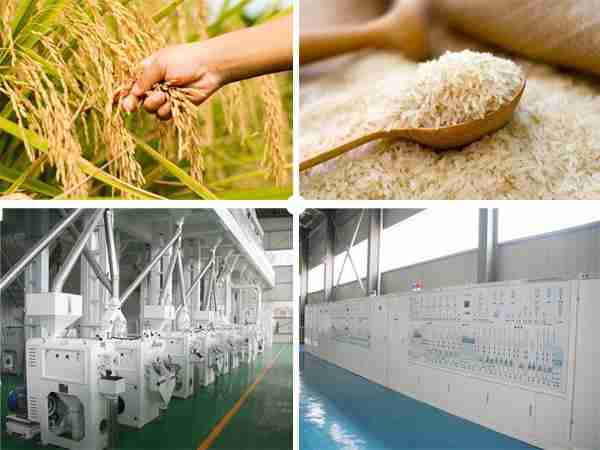
Exploring the Evolution of Rice Milling Technology
Over the centuries, the art of rice milling has transitioned from labor-intensive manual processes to sophisticated automated systems that enhance efficiency and output. Early rice mills, often powered by water or animal force, primarily utilized simple wooden structures to husk rice grains. With the advancement of technology, these mills evolved into steam-powered machines in the 18th century, which dramatically increased production rates. Today, modern milling operations incorporate cutting-edge technology such as laser sorting and digital control systems to ensure consistency in grain quality and maximize yield.
The shift towards automation has also introduced a new level of precision in rice milling. Advanced machinery now features automatic feeding systems and sensor-based monitoring, allowing for real-time adjustments to processing parameters. The results are multidimensional, providing not only higher efficiency but also minimizing waste. Key characteristics of contemporary rice milling technology include:
- Energy Efficiency: Reduced energy consumption per ton of rice milled.
- Quality Preservation: Methods that maintain nutrient integrity and flavor.
- Environmental Compliance: Equipment designed for minimal environmental impact.
| Feature | Benefit |
|---|---|
| Automated Operations | Reduction in labor costs and human error. |
| Multi-Functional Machines | Ability to process various grain types. |
| Intelligent Tech Integration | Improved decision-making through data analytics. |
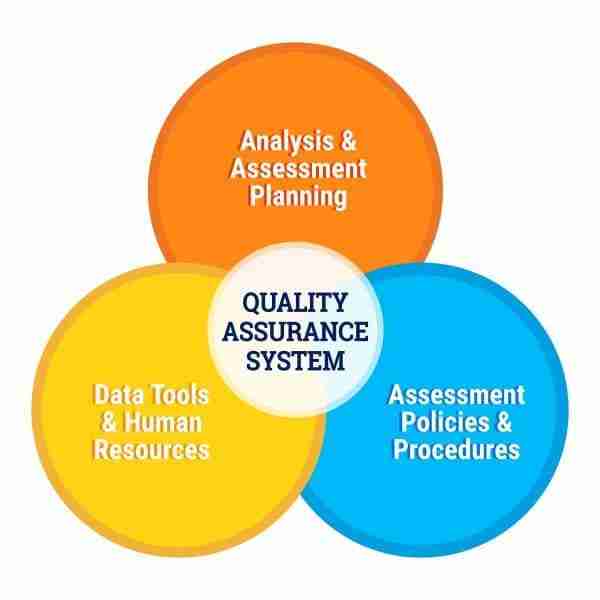
Assessing Quality: Key Features of Top Rice Mills
When it comes to evaluating the best rice mills in the market, several critical factors come into play that define their quality and reliability. One of the foremost aspects is production capacity; top-tier rice mills possess advanced machinery capable of processing large quantities of grain efficiently. This ensures that they can meet consumer demands without compromising quality. Additionally, the technology employed within these mills is paramount. Mills that invest in modern milling technology not only enhance the overall quality of the rice but also minimize broken grains during the process, which is a common flaw in older systems. Other essential features include consistent quality checks at each milling stage and eco-friendly practices that reduce waste and environmental impact, making them preferable not only for consumers but also for the planet.
Furthermore, the reputation of a rice mill is often reflected in its customer service and transparency of operations. Leading rice mills typically embrace open communication with their clients, providing detailed insights into sourcing, processing, and quality assurance protocols. They are known for maintaining a strong supply chain that guarantees fresh, uniform products. Investors and consumers alike should also pay attention to certifications and awards that recognize the mill’s commitment to excellence. Here is a simplified table showcasing key attributes you might find in top rice mills:
| Key Feature | Description |
|---|---|
| Production Capacity | High throughput to meet market demand. |
| Advanced Technology | State-of-the-art milling machinery for quality output. |
| Quality Control | Rigorous testing at each processing stage. |
| Eco-Friendly Practices | Environmentally sustainable milling processes. |
| Certifications | Awards recognizing quality and service excellence. |
Navigating Sustainability in Rice Production
As the demand for rice continues to rise globally, it’s imperative to adopt methods that not only meet this demand but also protect the planet. Sustainable practices in rice production can vastly improve efficiency while reducing environmental impact. By integrating innovative tech and ecological techniques, farmers are grappling with climate challenges effectively. Some key sustainable practices include:
- Crop rotation: Alternating rice with legumes or other crops enhances soil fertility.
- Water management: Utilizing precise irrigation techniques can conserve water and minimize waste.
- Integrated pest management: This approach helps control pest populations naturally, reducing the need for harmful pesticides.
- Organic fertilizers: Employing compost or green manure maintains soil health without chemical inputs.
To further empower rice farmers in their transition towards sustainable practices, educational resources and community support are essential. Collaboration among millers, farmers, and researchers can facilitate knowledge sharing and foster growth in sustainable methods. Establishing local networks can ensure farmers have access to:
| Resource Type | Description |
|---|---|
| Workshops | Hands-on training sessions on sustainable farming techniques. |
| Financial aid | Access to grants and subsidies for adopting eco-friendly practices. |
| Research insights | Latest findings on sustainable rice cultivation from agricultural studies. |
Expert Recommendations for Choosing the Right Rice Mill
When searching for the perfect rice mill, there are several key factors to consider that can significantly impact your choice. First, assess the mill’s capacity to ensure it meets your production needs. A larger operation may require more robust machinery, while smaller businesses may benefit from compact, user-friendly models. Additionally, consider the type of rice you will be processing; different mills are optimized for various grain types. Second, review the quality of materials used in construction. High-quality steel components can enhance durability and longevity, decreasing the need for frequent maintenance.
In addition to these practicality concerns, it’s crucial to evaluate the technology and features offered by the rice mill. Look for mills that incorporate modern technology for efficiency and precision, such as automated systems for better output control and grain sorting. Furthermore, consider the manufacturer’s reputation and customer service; reliable support can make a significant difference in your operational success. Below is a simple comparison table highlighting essential features:
| Mill Model | Capacity (kg/h) | Technology | Customer Support |
|---|---|---|---|
| EcoRice 3000 | 3000 | Automated Milling | 24/7 Helpline |
| GrainMaster Pro | 1500 | Smart Sorting | Extended Warranty |
| RiceKing 500 | 500 | Manual Operation | Limited Support |
Assessing size, quality, and technology will help ensure that your rice milling operation achieves maximum efficiency and product quality. Always conduct thorough research and, if possible, request demonstrations or testimonials from other users to make an informed decision.
To Wrap It Up
As we conclude our exploration of the top contenders in the rice milling industry, it becomes clear that excellence is not merely a goal, but a standard set by those committed to quality and innovation. From cutting-edge technology to sustainable practices, the best rice mills exemplify a dedication to both the craft and the community they serve.
As consumers, understanding these facets can empower us to make informed choices, appreciating the rich journey from field to table. Let us carry forward the knowledge we have gained, advocating not just for superior grains, but for the responsible and ethical practices that bring them to our plates.
In an ever-evolving market, the quest for quality rice mills continues, urging us to stay vigilant and curious. As we unlock excellence together, may our understanding deepen, and may every meal we share be a celebration of both tradition and progress. Thank you for joining us on this journey through the world of rice milling—a vital thread in the fabric of our culinary heritage.



