
Revolutionizing Rice: The Rise of Mini Rice Polishers
In the intricate tapestry of global agriculture, few crops hold as pivotal a role as rice. For billions of people, it is more than just a staple food; it represents culture, tradition, and sustenance. Yet, amidst the vast fields of golden grain and bustling markets, a quiet revolution is unfolding—one that promises to elevate the quality of this cherished crop while making the process of polishing rice more efficient than ever before. Enter the mini rice polisher, a compact yet powerful innovation that is transforming the way rice is prepared, processed, and enjoyed. In this article, we delve into the emergence of these groundbreaking machines, exploring their significance in improving the nutritional value of rice, their accessibility to smallholder farmers, and the potential future they hold in redefining rice milling practices worldwide. As the demand for quality rice surges, mini rice polishers are at the forefront of a new era in agricultural technology, bridging the gap between tradition and modernity in a world that flourishes on innovation.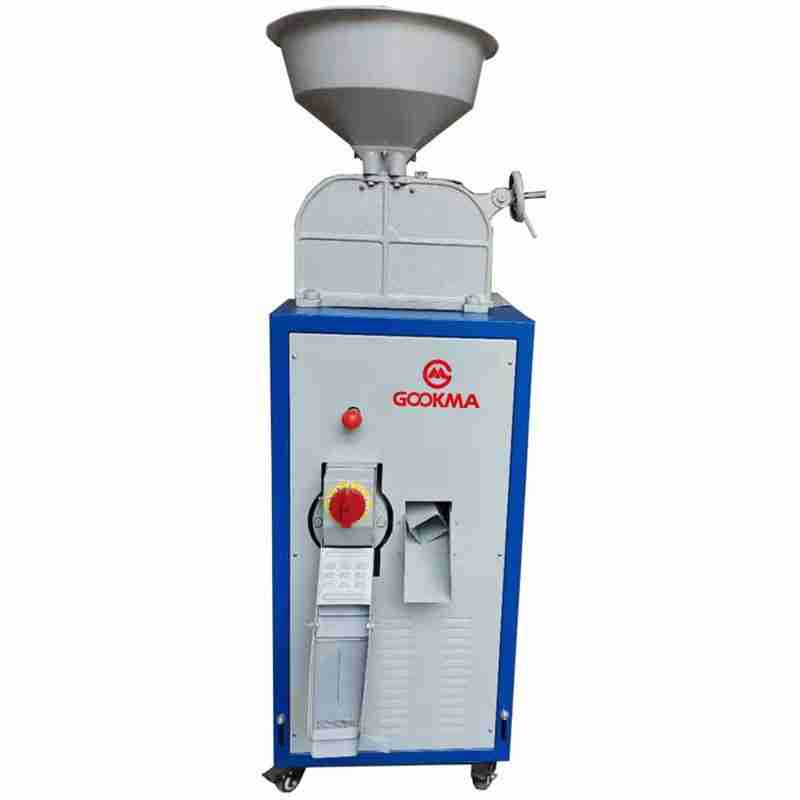
Understanding Mini Rice Polishers and Their Impact on Grain Quality
In recent years, mini rice polishers have emerged as a game-changing innovation in the agricultural sector, enhancing the way rice is processed and improving the quality of the final product. These compact machines are designed to gently remove the outer layers of rice grains, significantly reducing the chances of breakage and maintaining the grains’ integrity. Unlike traditional milling processes, which often lead to excessive wear and waste, mini rice polishers utilize advanced technology that not only polishes the rice but also preserves its nutritional value. By implementing lower temperatures and shorter processing times, these machines ensure that essential vitamins and minerals remain intact, contributing to a healthier dietary choice for consumers.
The impact of mini rice polishers extends beyond just the processing phase; they also influence marketing opportunities for rice producers. Processed rice at a higher quality level can command premium pricing in local and international markets. Farmers and small-scale processors benefit from several advantages, including:
- Increased yield: Minimizing broken grains leads to greater overall returns.
- Enhanced customer satisfaction: Higher-quality rice meets market demands and consumer preferences.
- Sustainability: Efficient processing reduces waste and energy consumption.
Furthermore, adopting mini rice polishers fosters economic growth in rural communities, as they provide job opportunities and elevate living standards. The shift to modern rice polishing machinery represents not just a change in equipment but a transformative approach to rice production, ensuring a brighter and more sustainable future for the agricultural industry.
Key Features to Look for in Mini Rice Polishers
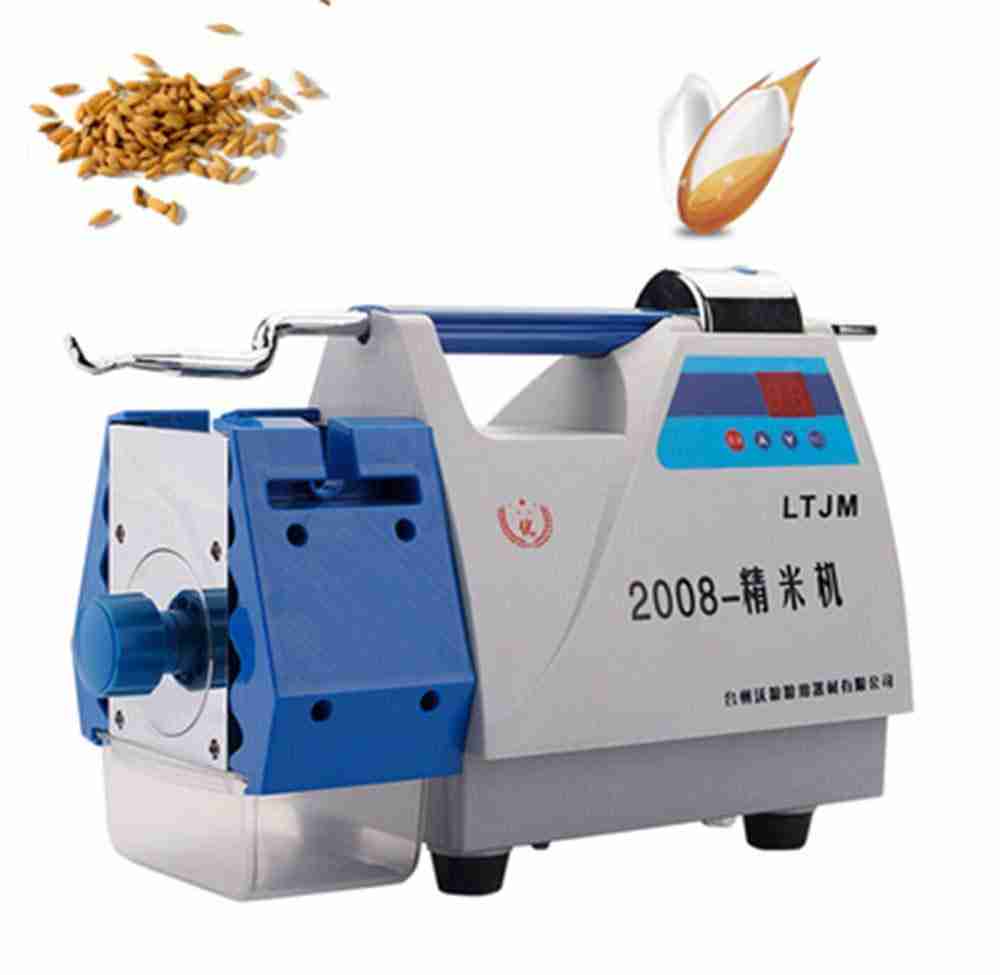
When considering a mini rice polisher, there are several essential features that can significantly enhance the efficiency and quality of your rice polishing experience. Durability and build quality are vital; opting for models made with robust materials ensures longevity and reliability. Another crucial factor is the motor power which affects the polishing speed and effectiveness. A higher wattage often translates to quicker results without compromising the rice quality. Additionally, look for options that offer adjustable polishing levels; this allows you to customize the intensity according to the type of rice you are processing.
The ease of cleaning and maintenance also plays a pivotal role when selecting a mini rice polisher. Features such as detachable parts and non-stick coatings can simplify the cleanup process, saving you time and effort. Moreover, consider safety features like automatic shut-off systems that help prevent overheating. Energy efficiency is another aspect worth exploring; choosing a model that consumes less power while delivering optimal performance can lead to cost savings in the long run. Also, it’s beneficial to check for customer reviews and warranties as insights from previous users can guide your decision and assure product quality.
| Feature | Importance |
|---|---|
| Durability | Ensures longevity and reliability |
| Motor Power | Affects polishing speed and quality |
| Adjustable Levels | Customizes intensity based on rice type |
| Easy Cleaning | Saves time in maintenance |
| Safety Features | Prevents overheating and accidents |
| Energy Efficiency | Reduces operational costs |
Sustainable Benefits of Adopting Mini Rice Polishers in Agriculture
Adopting mini rice polishers presents a myriad of sustainable advantages that can significantly impact agricultural practices. First and foremost, these compact machines promote energy efficiency by utilizing less power compared to traditional rice polishing methods. This results in reduced greenhouse gas emissions, aligning agricultural practices more closely with environmentally friendly initiatives. Additionally, because they require less water during the polishing process, mini rice polishers contribute to water conservation, ensuring that this precious resource is preserved for future generations.
Moreover, mini rice polishers are designed to minimize waste and enhance the overall quality of the rice produced. By effectively removing the husk and bran layers, they yield a higher percentage of marketable rice, which translates to increased profitability for farmers. The efficient processing capabilities of these machines mean that farmers can achieve more with less, ultimately allowing them to invest in other sustainable practices. Key benefits of mini rice polishers include:
- Reduced Energy Consumption: Lowers carbon footprint.
- Water Conservation: Less water is needed for polishing.
- Higher Yield: Increased percentage of marketable rice.
- Waste Reduction: Efficient processing minimizes by-products.
Implementing Mini Rice Polishers: Best Practices for Rural Communities
Implementing mini rice polishers in rural communities can significantly enhance the post-harvest process, transforming how farmers and millers handle their crops. To ensure a seamless integration of this technology, it is essential to focus on several best practices that cater to the unique needs of these communities. First, training sessions should be organized to educate local farmers about the operation and maintenance of the polishers. Such workshops can foster a sense of ownership and encourage innovative thinking to address local challenges. By promoting peer-to-peer knowledge exchange during these sessions, users can build a supportive network that empowers them to maximize the benefits of this technology.
Moreover, collaboration with local agricultural organizations can provide access to additional resources and expertise, enhancing the overall effectiveness of rice polishing. In addition to training, establishing a sustainable business model ensures that the mini rice polishers are affordable and accessible. Consider forming cooperatives that allow farmers to share equipment and costs. Implementing a payment system based on a pay-per-use model can further lower barriers for those with limited financial means. Below is a simple table showcasing potential benefits that mini rice polishers can bring to rural communities:
| Benefit | Description |
|---|---|
| Time Efficiency | Reduces milling time, allowing farmers to focus on other activities. |
| Higher Quality Rice | Presents better marketable products leading to improved income. |
| Reduced Labor Costs | Minimizes the need for manual polishing, freeing up labor for other crops. |
| Community Collaboration | Encourages cooperation among farmers, strengthening community ties. |
Future Outlook
As we conclude our exploration of mini rice polishers, it’s clear that this innovative technology is not just a trend, but a transformative force in the way we approach rice processing. By combining efficiency with quality, these compact machines are poised to elevate both small-scale farmers and large producers alike. As the demand for perfectly polished rice grows in tandem with a focus on sustainability, the rise of mini rice polishers represents a pivotal moment in agricultural history.
With their ability to minimize waste and enhance nutritional value, these devices are more than mere tools; they embody a commitment to refining age-old traditions while embracing technological advancements. As we move forward, it will be fascinating to observe how these innovations shape the future of the rice industry and contribute to global food security. In a world where every grain matters, the revolution continues—one polished grain at a time.



