
In the verdant landscapes of rural farming communities, where golden grains sway gently in the breeze, a silent revolution is taking shape. The rise of mini rice mills is not just transforming the way rice is processed; it is altering the fabric of agricultural economies and the lives of countless farmers. These compact, efficient machines are emblematic of a broader shift towards modernization and sustainability in the agricultural sector. As the echoes of traditional harvesting practices sync with the hum of innovation, mini rice mills are proving to be more than just machinery; they are catalysts for change, empowering smallholder farmers, boosting local economies, and fostering food security. In this article, we will explore the emergence of mini rice mills, their impact on traditional farming methods, and the promise they hold for a future where agriculture thrives amid global challenges. Join us on a journey through the fields of possibility as we uncover how these small-scale marvels are revolutionizing the harvest.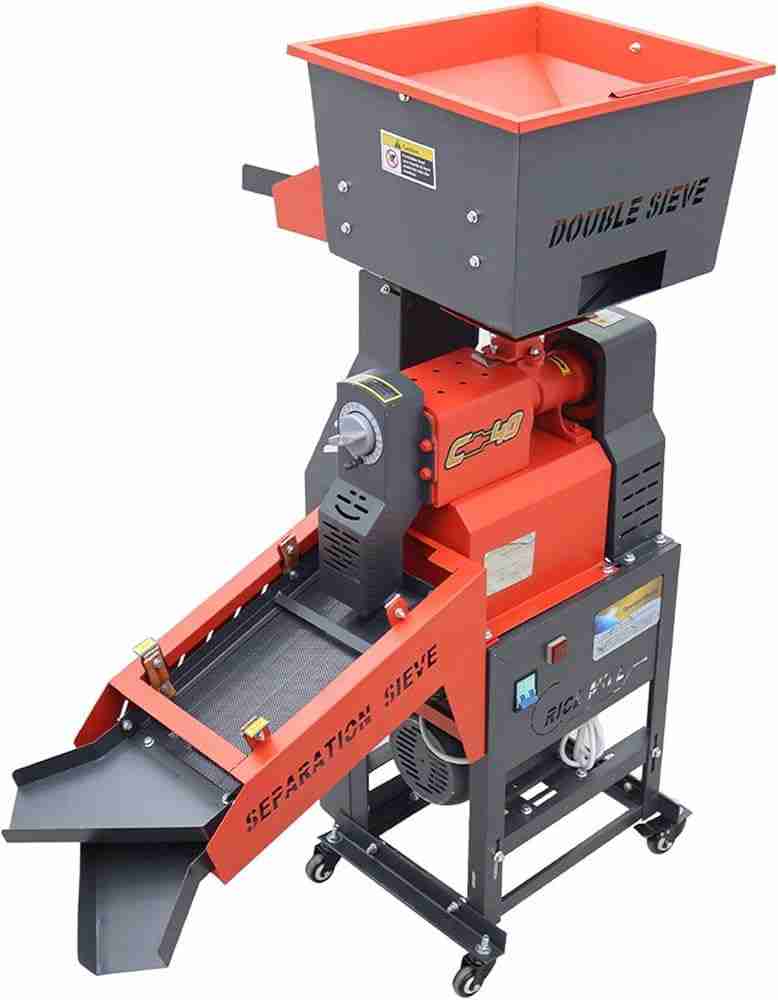
Understanding the mini rice mill Revolution and its Impact on Small Farmers
The advent of mini rice mills marks a transformative shift in the agricultural landscape, significantly impacting the economic viability of small farmers. Traditionally, farmers faced considerable hurdles, such as high milling costs and dependence on distant processing facilities, which could eat away at their profits. Mini rice mills have changed the narrative by offering a compact, efficient solution that brings milling closer to the source. This accessibility allows farmers to process their harvest immediately, minimize transportation costs, and retain a higher percentage of the market price for their produce. As a result, this technology empowers farmers not only to improve their incomes but also to adapt to volatile market conditions.
Equipped with user-friendly technology, mini rice mills are designed to cater to the specific needs of small-scale producers. Many models are energy-efficient and require minimal maintenance, making them an attractive option. A few key benefits include:
- Increased Autonomy: Farmers can now take control of the milling process without relying on third parties.
- Quality Demand: With the ability to process rice immediately, farmers can ensure quality and freshness, appealing to local markets.
- Community Development: Mini mills create job opportunities, fostering local economies and building a cooperative spirit among farmers.
To illustrate the impact of mini rice mills on farmers’ earnings, consider the following table:
| Year | Traditional Milling Cost ($) | Mini Mill Cost ($) | Profit Increase (%) |
|---|---|---|---|
| 2021 | 2000 | 800 | 60% |
| 2022 | 1800 | 700 | 61.1% |
| 2023 | 1600 | 650 | 59.4% |
This table underscores the considerable financial relief small farmers experience as they transition to this innovative milling solution, reinforcing the notion that mini rice mills are not just tools, but catalysts for agricultural and economic reform.

Technological Innovations Driving Efficiency in Mini Rice Milling
In an era where agricultural efficiency is paramount, the introduction of cutting-edge technologies in mini rice milling has sparked a transformative shift. These small-scale mills, designed to be accessible for local farmers, have integrated features such as automatic feed systems, which minimize labor requirements and enhance throughput. Furthermore, sensor-based monitoring provides real-time data on the milling process, allowing operators to optimize performance and reduce waste. This integration not only elevates production capabilities but also ensures that quality is uncompromised, resulting in rice that meets both local and international standards.
The use of sustainable energy solutions is another noteworthy advancement in mini rice milling. Many modern mills harness solar power or biomass energy to operate machinery, drastically cutting down on reliance on fossil fuels and lowering operational costs. Additionally, the advent of smart technology such as mobile applications enables farmers to track their milling progress remotely, track inventory, and manage maintenance schedules efficiently. As a result, these innovations contribute to making rice milling not only more efficient but also more environmentally friendly, strengthening local economies while promoting sustainability.

Sustainable Practices and Environmental Benefits of Compact Milling Solutions
The introduction of compact milling solutions has ushered in a new era of sustainability within the agricultural sector. These mini rice mills are designed to optimize resource use, significantly reducing waste and energy consumption compared to traditional milling methods. By utilizing smaller, localized production facilities, farmers can lessen their carbon footprint and promote environmentally friendly practices. Key benefits include:
- Lower Energy Use: Compact mills operate with enhanced efficiency, consuming less power and utilizing renewable energy sources wherever possible.
- Reduction of Waste: The smaller scale of production minimizes by-products, leading to less environmental contamination.
- Localized Production: By milling rice closer to farms, transportation emissions are significantly decreased.
Additionally, these innovations foster a circular economy, where waste materials can be repurposed for other agricultural processes or bioenergy production. Community involvement is heightened, encouraging farmers to adopt eco-friendly techniques and collaborate for better outcomes. The impact on local ecosystems is profound, as these milling solutions contribute to:
| Aspect | Environmental Impact |
|---|---|
| Water Conservation | Optimizes water use in grain processing |
| Soil Health | Reduces chemical runoff |
| Air Quality | Less dust and emissions compared to larger mills |
Market Trends and Future Prospects for Mini Rice Mills in Global Agriculture
The market for mini rice mills is witnessing a transformative shift, primarily driven by increasing demand for rice as a staple food globally. As more farmers seek efficient and cost-effective solutions for rice processing, mini rice mills have emerged as an attractive alternative to larger, traditional milling systems. These compact machines offer several key benefits, such as lower initial investment costs, reduced operational expenses, and ease of transport, making them particularly appealing for smallholder farmers in developing regions. Additionally, the rising trend of sustainability in agriculture supports the growth of these mini mills, as they often rely on localized resources and can significantly lower the carbon footprint associated with rice milling.
Looking ahead, the future prospects for mini rice mills appear promising, with several trends shaping their evolution. Advances in technology are leading to the introduction of smart and automated mini mills, integrating features such as real-time monitoring and data analytics. This innovation not only enhances operational efficiency but also allows for better quality control in rice processing. Several factors contributing to this favorable outlook include:
- Increased urbanization pushing demand for locally milled rice.
- Government support in the form of subsidies and incentives for small-scale farmers.
- Growing consumer awareness regarding organic and non-GMO rice products.
| Factor | Impact on Mini Rice Mills |
|---|---|
| Rising demand for organic products | Encourages local production and milling. |
| Technological advancements | Enhances efficiency and quality of milling. |
| Government initiatives | Facilitates access to financing and resources. |
To Conclude
As we stand on the precipice of a new agricultural era, the rise of mini rice mills is more than just a technical innovation; it signifies a shift toward more sustainable and inclusive farming practices. These compact powerhouses are unlocking the potential of smallholder rice farmers, empowering them to thrive in a competitive market while reducing waste and improving efficiency.
The journey of revolutionizing harvests through mini rice mills is not just about enhancing productivity; it’s about cultivating resilience and fostering a deeper connection between farmers and their markets. As we embrace this transformation, it becomes clear that the future of rice production lies in the hands of those who are equipped with the right tools and knowledge.
As the grains of hope are ground into reality, we invite you to imagine a world where every farmer can contribute to the tapestry of global food security, supported by innovations that honor both tradition and progress. The story of mini rice mills is just beginning, and it is up to us to nurture this growth, ensuring that it flourishes for generations to come.



