
Unlocking Quality: The Art of Parboiled Rice Processing
In a world where culinary excellence meets nutritional wisdom, the subtle intricacies of rice preparation often go unnoticed. Parboiled rice, a staple in many cultures and a beloved ingredient worldwide, offers a fascinating journey from paddy to plate. As we peel back the layers of this ancient grain, we discover not just a method of processing, but an art form that enhances flavor, texture, and nutritional value. This article delves into the meticulous process of parboiling rice—a technique that has stood the test of time, merging tradition with innovation. Join us as we explore the nuances of parboiled rice processing, revealing how this seemingly simple food transforms into a culinary canvas, ready to nourish and delight.
Understanding the Parboiling Process and Its Benefits
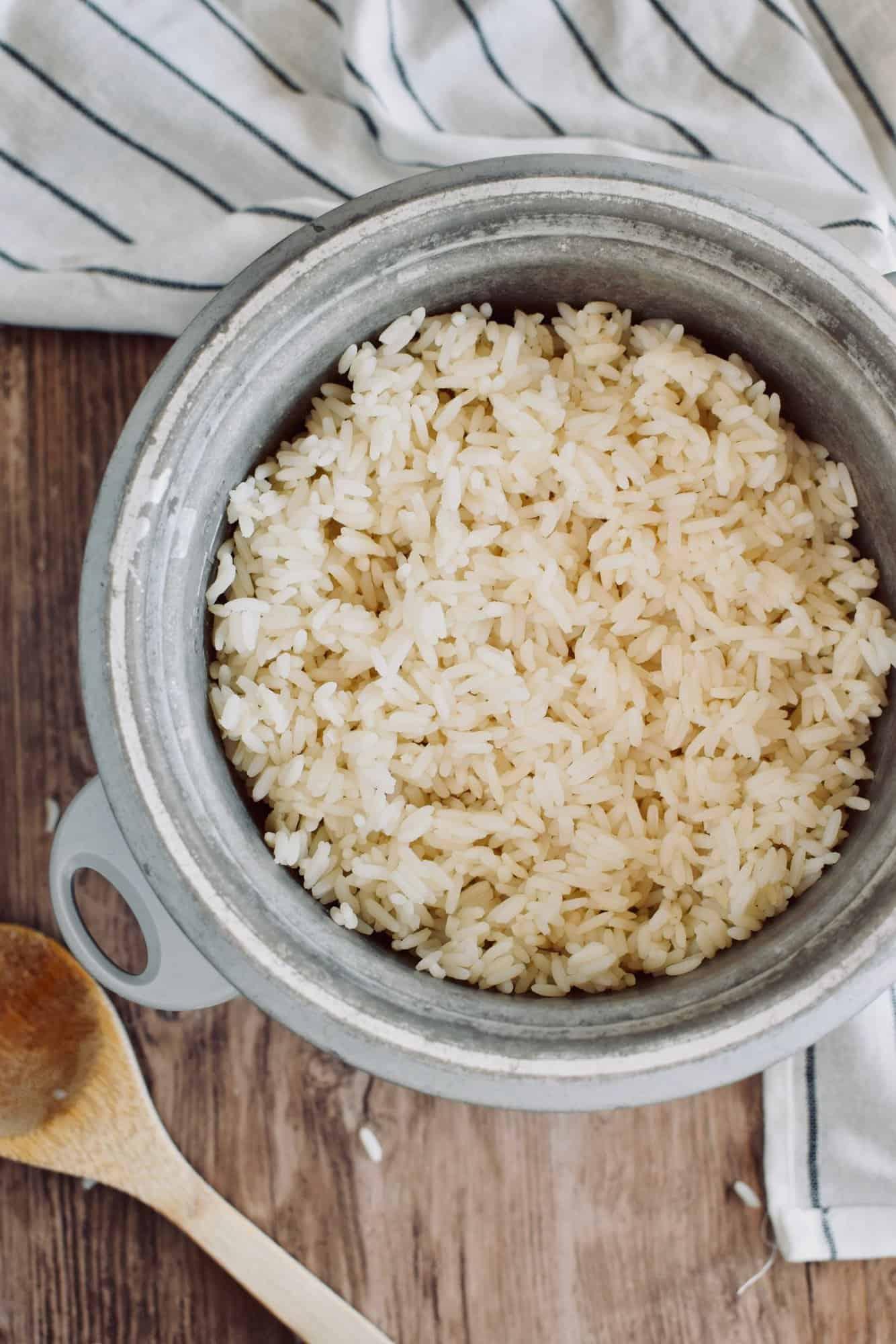
The parboiling process involves immersing rice in hot water before drying and milling, transforming the raw grains into a more versatile product. This technique enhances the nutritional profile by pushing vital nutrients from the bran layer into the endosperm, leading to a rice variety that retains more flavor and minerals. The process also softens the grains, making them less fragile and easier to handle during milling, resulting in reduced breakage and waste. Parboiling enhances the rice’s cooking properties, allowing for a fluffier texture once prepared, which is particularly appealing for a variety of culinary dishes.
Among the myriad of advantages, some key benefits of parboiled rice include:
- Improved Nutritional Value: Retains essential vitamins and minerals.
- Enhanced Shelf Life: Reduces the risk of spoilage and pest infestations.
- Better Cooking Quality: Results in separate grains that are fluffy and less sticky.
- Reduced Cooking Time: Cuts down preparation time significantly.
| Benefits | Description |
|---|---|
| Nutrient Retention | Higher levels of vitamins and minerals due to the process. |
| Minimal Breakage | Stronger grains lead to less waste after milling. |
| Flavor Enhancement | Improved taste profile that complements various dishes. |
Key Techniques for Achieving Consistent Quality in Parboiled Rice
Achieving a high standard in parboiled rice processing requires a blend of science, technique, and precision. Soaking the paddy before steaming plays a critical role in the quality of the final product. Start by selecting the right paddy variety, preferably those known for their robust structure and cooking qualities. The soaking duration should be monitored closely—generally ranging from 6 to 12 hours—depending on the season and moisture content. This pre-steaming process ensures that the grains absorb the moisture evenly, contributing significantly to the overall quality.
Following soaking, steaming the paddy correctly is crucial to retaining nutrients and achieving the desired texture. The steaming process should last between 30 minutes to an hour, utilizing steam at a controlled temperature to enhance gelatinization of the starches. Additionally, implementing drying methods post-steaming can dramatically influence the quality level. Aiming for a moisture content of about 12% to 14% is recommended for storage. Here are some fundamental techniques that can be employed during processing:
| Key Benefits | |
| Soaking | Improved nutrient retention and texture |
| Steaming | Enhances gelatinization and flavor |
| Drying | Prevents spoilage and ensures longevity |
By meticulously applying these techniques, processors can ensure that each batch of parboiled rice not only meets but exceeds quality expectations, establishing a benchmark standard in the competitive rice market.
Selecting the Right Rice Varieties for Optimal Parboiling Results
Choosing the appropriate rice varieties is crucial for achieving the desired texture and flavor in parboiled rice. Different types of rice exhibit unique characteristics, which can significantly influence the outcome of the parboiling process. When selecting rice, consider the following qualities:
- Grain Length: Long-grain rice varieties, such as Basmati or Jasmine, tend to remain separate and fluffy after parboiling, making them ideal for pilafs and fried rice dishes. In contrast, medium and short-grain rice, like Arborio or sushi rice, may become stickier and work better in applications like risottos or sushi.
- Starch Content: Parboiling alters the starch structure. Rice with a higher amylose content, such as long-grain varieties, usually yields a drier and more elongated grain after cooking, while lower amylose varieties become softer and more cohesive post-processing.
| Rice Variety | Characteristics | Best Use |
|---|---|---|
| Basmati | Long grain, aromatic | Biryanis, pilafs |
| Jasmine | Fragrant, slightly sticky | Thai dishes, stir-fries |
| Arborio | Short grain, creamy | Risottos, rice puddings |
Additionally, sourcing rice from reputable suppliers ensures quality and consistency in the results. Examine the rice’s moisture content and age, as freshly harvested and properly stored rice can yield better parboiling outcomes. Experimenting with different rice varieties will allow you to find the perfect balance of flavor, texture, and appearance, enhancing the overall quality of your parboiled rice.
Quality Control Measures to Ensure Excellence in Rice Processing
In the realm of rice processing, quality control measures are paramount to achieving the desired standards of excellence. From the moment the paddy arrives at the facility, meticulous attention is directed towards its assessment and initial processing. Visual inspections and sampling are conducted to identify unwanted impurities and ensure that only quality grains proceed to the next stages. Each step is complemented by moisture assessment techniques to establish the ideal moisture content conducive for parboiling, which is crucial for optimizing flavor and texture. The integration of highly calibrated automatic sorting machines further enhances the precision of this process, efficiently removing defective grains and elevating the overall quality of the batch.
Moreover, consistent monitoring during the parboiling process is vital. Implementing temperature and time control protocols guarantees that each grain is treated uniformly, preventing overcooking or underprocessing that can compromise flavor and texture. Laboratory analyses also play a significant role, wherein samples are subjected to rigorous testing for chemical composition, ensuring they meet nutritional and safety standards. A robust feedback loop allows for continuous improvement, integrating data from both the production line and consumer feedback. By employing effective quality audits at every phase, organizations can protect their reputation while delivering the finest parboiled rice to consumers.
| Quality Control Measures | Purpose |
|---|---|
| Visual Inspections | Identify impurities |
| Moisture Assessment | Optimize cooking conditions |
| Automatic Sorting | Remove defects |
| Temperature Control | Ensure uniform cooking |
| Laboratory Analyses | Verify nutritional safety |
Concluding Remarks
the journey of parboiled rice from paddy to plate is a remarkable fusion of tradition and innovation. By unlocking the intricacies of its processing, we not only enhance the quality and nutritional value of this staple food but also preserve the rich cultural heritage associated with rice cultivation. The art of parboiling, with its meticulous steps and scientific precision, serves as a reminder of the craftsmanship involved in feeding the world. As we continue to explore sustainable practices and embrace technological advancements, the future of parboiled rice holds the promise of not only nourishing bodies but also fostering a deeper appreciation for the foods we consume. Let us celebrate this humble grain, recognizing it not just as sustenance, but as a testament to the art of food processing—a legacy that connects us all.




