
Unlocking Quality: Inside a Parboiled Rice Processing Plant
In the world of culinary staples, few ingredients hold as significant a place as rice. Yet, beneath its humble exterior lies a complex journey that transforms grains from their natural state to the polished product gracing our tables. As we delve into the heart of a parboiled rice processing plant, we unveil the intricate processes that unlock the quality and nutrition of this versatile food source. From soaking and steaming to drying and milling, each step is meticulously engineered to enhance flavor, texture, and health benefits. Join us as we explore the science and artistry of parboiled rice production, where tradition meets innovation, and discover how this essential grain is elevated through careful craftsmanship.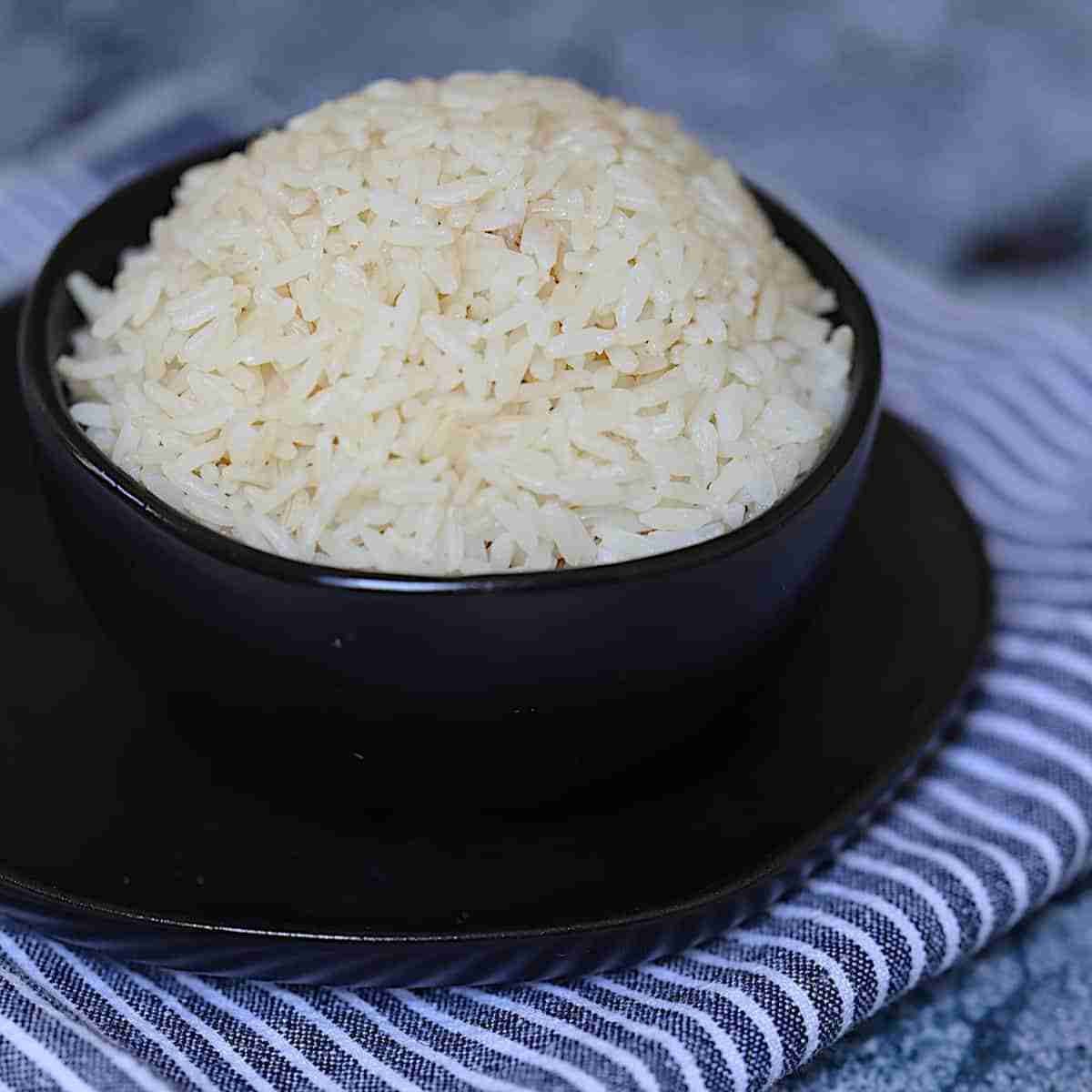
Exploring the Journey of Parboiled Rice from Paddy to Plate
The journey of parboiled rice from its initial state as paddy to the dining table involves several intricate processes that enhance its nutritional value and cooking quality. First, the freshly harvested paddy is transported to the processing plant, where it undergoes rigorous cleaning to remove impurities like dust, stones, and chaff. Following this, the paddy is immersed in hot water, a process known as parboiling, which initiates the gelatinization of starches and infuses valuable nutrients from the husk into the grain. This vital step not only enhances flavor and texture but also ensures that the rice retains its shape and is less likely to become mushy during cooking.
After parboiling, the rice is dried to an optimal moisture level, ensuring its longevity and quality. Subsequently, it undergoes milling, where the outer hull is removed, revealing the shiny, polished grains that characterize parboiled rice. The final stages involve sorting and packaging, where quality control measures ensure that only the best grains make it to consumers. The resulting product stands out for its distinct golden hue and its ability to absorb flavors, making it a preferred choice for various culinary applications. Below is a simplified overview of the key stages in the processing journey:
| Stage | Description |
|---|---|
| Harvesting | Fresh paddy is harvested from fields. |
| Cleaning | Paddy is thoroughly cleaned to remove impurities. |
| Parboiling | Paddy is soaked in hot water, enhancing nutrient retention. |
| Drying | Paddy is dried to optimal moisture levels. |
| Milling | Outer hull is removed to reveal polished grains. |
| Sorting | Grains are sorted based on quality for packaging. |

Understanding the Science of Parboiling and Its Quality Benefits
Parboiling, a time-honored method of rice processing, involves soaking, steaming, and drying the rice before it is milled. This unique technique not only enhances the nutritional profile of the rice but also contributes to its texture and shelf life. By partially cooking the grains, the process allows for the migration of nutrients from the husk to the endosperm, effectively fortifying the rice. The resulting product retains more vitamins and minerals compared to traditionally milled rice, making it a healthier choice for consumers seeking nutritious options.
Moreover, parboiling significantly improves the cooking qualities of the rice, rendering it less sticky and more flavorful. The steaming step gelatinizes the starch, allowing the grains to remain separate when cooked, which is a preferred characteristic for many culinary traditions. Quality benefits of parboiled rice include:
- Enhanced Nutritional Value: Retains important vitamins and minerals
- Improved Shelf Life: Less prone to spoilage and insect infestations
- Better Texture and Flavor: Results in fluffy, non-sticky grains when cooked
The precise control of the parboiling process also plays a crucial role in determining the final quality of the rice. The temperature and duration of the steaming, for instance, can be adjusted to create specific textures and flavor profiles tailored to various culinary uses. A simple comparison of unprocessed rice and parboiled rice highlights these distinctions:
| Feature | Unprocessed Rice | Parboiled Rice |
|---|---|---|
| Nutritional Content | Lower levels | Higher levels |
| Cooking Time | Longer | Shorter |
| Grain Stickiness | More sticky | Less sticky |
| Shelf Life | Shorter | Longer |

Mastering Quality Control: Best Practices in Rice Processing
In the world of rice processing, maintaining top-notch quality control is essential to ensure that consumers receive the best product possible. Regular inspections and maintaining stringent standards at each stage of the process contribute vastly to the overall quality. Implementing a robust quality control system includes several key practices:
- Raw Material Inspection: Verify the quality of paddy rice before processing.
- Monitoring Process Parameters: Ensure consistent temperature and moisture levels during parboiling.
- Color and Texture Assessment: Evaluate the cooked rice for uniformity and pleasing appearance.
- Taste Testing: Conduct sensory evaluations to guarantee that the final product meets flavor standards.
Moreover, leveraging technology can significantly enhance quality assurance measures in rice processing plants. Automation and advanced monitoring systems can help in tracking quality metrics in real-time, providing instant feedback and correcting deviations. Below is a simple representation of some advanced tools used in quality control:
| Tool | Purpose |
|---|---|
| Moisture Meters | Measure moisture content for optimal parboiling. |
| Color Sorters | Remove defective grains based on color. |
| Texture Analyzers | Assess the firmness and quality of cooked rice. |
Sustainable Innovations: Future Trends in Parboiled Rice Production
As the demand for parboiled rice continues to increase, innovative sustainable practices are emerging within the industry, aiming to minimize environmental impact while maximizing yield. The integration of smart agriculture technologies has revolutionized how rice is cultivated and processed. These advancements include:
- Precision farming: Utilizing data analytics and GPS technology to optimize field management and resource allocation.
- Eco-friendly pest management: Implementing biological controls and organic pesticides to reduce chemical usage.
- Water-efficient techniques: Adopting alternate wetting and drying (AWD) methods to conserve water resources during cultivation.
Processing plants are also embracing sustainability through circular economy principles. This approach not only reduces waste but also fosters a more efficient use of resources. Notable practices include:
- Biomass energy generation: Utilizing waste by-products from rice milling to produce renewable energy for plant operations.
- Wastewater recycling: Implementing systems to treat and reuse wastewater, minimizing environmental discharge.
- Resource-efficient machinery: Upgrading processing equipment to reduce energy consumption during production.
| Innovation Type | Description |
|---|---|
| Precision Farming | Data-driven farming practices to enhance resource efficiency. |
| Biomass Energy | Reusing milling waste to generate energy. |
| Water Conservation | Techniques like AWD for efficient water use. |
Insights and Conclusions
As we conclude our journey through the intricate world of parboiled rice processing, it becomes evident that the path from paddy to plate is far more complex than one might imagine. Every grain that reaches our tables carries with it a narrative of innovation and meticulous craftsmanship, shaped by the hum of machinery and the dedication of skilled workers. The processes we explored—steaming, drying, and milling—transform the humble rice into a nutritional powerhouse, enhancing both its flavor and its health benefits.
In unlocking quality, we uncover not only the secrets behind superior parboiled rice but also the commitment to sustainability and food security that underpins today’s agricultural practices. As we move forward in an ever-evolving food landscape, the lessons learned from the processing plant highlight the importance of technological advancement, environmental stewardship, and consumer education in our quest to nourish the world.
Ultimately, as you savor your next bowl of parboiled rice, may you appreciate not only its delightful taste and texture but also the intricate processes and passionate hands that worked tirelessly to bring it to your table. The next time you dig into your meal, remember that quality isn’t just a product—it’s a journey.




