
Unlocking Quality: Innovations in Rice Processing Equipment
In an era defined by technological advancement and sustainability, the agricultural sector is undergoing a transformative revolution. At the heart of this movement lies a staple that has nourished civilizations for thousands of years—rice. As the demand for higher quality and efficiency in food production grows, so too does the need for innovations in the equipment that processes this vital grain. From smart machinery equipped with advanced sensors to eco-friendly milling technologies, modern rice processing is entering a new frontier that promises to enhance yield, minimize waste, and elevate the overall quality of rice products. This article delves into the latest breakthroughs in rice processing equipment, exploring how these innovations are unlocking quality and reshaping the future of this crucial industry. Join us as we uncover the machinery and methodologies that are making waves in rice production, offering insights into a journey toward not just quantity, but quality in every grain.
Advancements in Technology Driving Efficiency in Rice Processing
As the global demand for rice continues to rise, the industry has witnessed significant innovations aimed at enhancing processing efficiency. Modern rice processing equipment now integrates advanced technologies such as robotics, artificial intelligence, and IoT connectivity. These innovations not only streamline workflow but also minimize waste and improve the overall quality of the final product. For instance, automated sorting machines equipped with machine vision technology can identify and separate high-quality grains from impurities with extraordinary precision, thereby boosting the overall yield. Additionally, predictive analytics help processors anticipate equipment failures before they occur, resulting in reduced downtime and maintenance costs.
Another aspect of revolutionizing rice processing is the shift toward sustainable practices facilitated by technological advancements. New equipment designs emphasize energy efficiency, with many machines adopting solar-powered systems or utilizing waste by-products as energy sources. Furthermore, the advent of smart sensors allows real-time monitoring of temperature and humidity levels during storage, ensuring optimal conditions that preserve quality. Below is a table highlighting some key advancements and their benefits:
| Innovation | Benefit |
|---|---|
| Automated Sorting Machines | Enhanced precision in grain quality assessment |
| AI-Powered Predictive Maintenance | Reduced downtime and maintenance costs |
| Energy-Efficient Operations | Lower energy costs and reduced environmental impact |
| Smart Storage Sensors | Optimal preservation of quality through real-time monitoring |
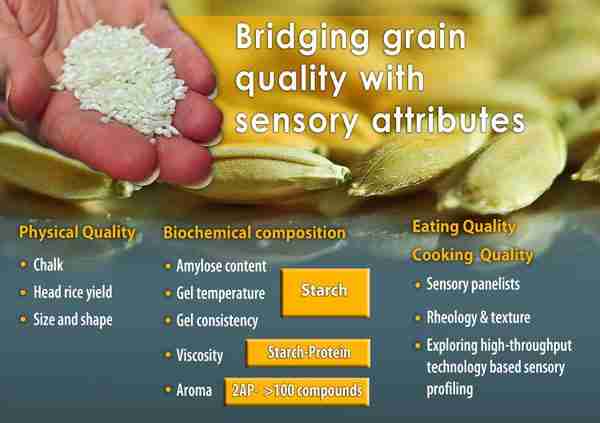
Enhancing Grain Quality Through Precision Equipment Engineering
In the pursuit of excellence in rice production, the integration of precision equipment engineering plays a pivotal role in enhancing grain quality. Innovative machinery designed for efficiency not only streamlines the processing stages but also safeguards the integrity of the grains. By employing technologies such as laser sorting and digital monitoring systems, producers can meticulously assess each grain’s quality before it reaches the market. The focus is on maximizing output while reducing waste, ensuring that only the finest grains are packaged and sold.
Moreover, the adoption of cutting-edge machinery comes with an array of benefits that directly contribute to superior grain quality. These include:
- Automated quality control: Systems that automatically detect imperfections or foreign materials.
- Temperature regulation: Equipment that maintains optimal conditions, preserving flavor and nutritional value.
- Energy efficiency: Advanced machines that consume less power without compromising performance.
Alongside these advancements, an improved understanding of grain characteristics aids in developing tailored processing strategies. For instance, utilizing data analytics to gauge moisture levels and grain hardness can vastly improve outcomes. Below is a brief overview of key quality indicators:
| Quality Indicator | Impact on Grain Quality |
|---|---|
| Moisture Content | Critical for preventing spoilage and maintaining freshness. |
| Grain Size | Affects cooking time and overall texture when prepared. |
| Husk Integrity | Protects against pests and enhances shelf life. |
This convergence of technology and best practices establishes a new benchmark in rice processing, ultimately delivering higher quality grains that meet consumer demands and industry standards. Through meticulous engineering and innovative processing techniques, the future of rice production looks promising, characterized by enhanced quality and sustainability.

Sustainable Practices in Modern Rice Milling Solutions
In recent years, the rice milling industry has been witnessing a transformative shift towards sustainability, driven by innovations that not only enhance efficiency but also reduce environmental impact. The adoption of energy-efficient machinery is at the forefront of this movement, allowing mills to significantly lower their energy consumption without compromising on quality. By integrating advanced technologies such as solar energy systems and bioenergy production methods, these modern solutions are designed to minimize carbon footprints while maximizing productivity. Innovations like water recycling systems further exemplify how mills are repurposing resources, ensuring that every drop counts and is used effectively in the milling process.
Moreover, the emphasis on waste reduction has prompted the development of closed-loop systems, which recycle by-products back into the production cycle. For instance, utilizing husk and bran for biofuel or animal feed not only reduces waste but also creates additional revenue streams for millers. Here are some key sustainable practices currently shaping the industry:
- Use of Eco-friendly Packaging: Implementing biodegradable or recyclable materials.
- Low Impact Technologies: Machines designed to produce less noise and vibration.
- Sustainable Sourcing: Partnering with local farmers using organic farming methods.
Future Trends in Rice Processing: Innovations for Global Markets
The landscape of rice processing is poised for significant evolution, propelled by innovation and technological advancements that cater to the growing demands of global markets. As producers face increasing pressure to improve quality while ensuring sustainability, the adoption of smart processing systems becomes essential. These systems utilize Internet of Things (IoT) sensors to monitor and control the processing environment in real-time, allowing for enhanced precision and efficiency. Additionally, AI-driven analytics can optimize processing parameters to maximize yield and quality, reducing waste and energy consumption.
Moreover, the integration of automated machinery is transforming traditional practices within rice mills. Advanced equipment such as laser sorting machines and digital milling technology ensure that every grain meets international quality standards. The potential of blockchain technology in rice supply chains cannot be overlooked, as it ensures transparency and traceability, fostering trust among consumers and distributors alike. To illustrate the potential impact of these innovations, consider the following table comparing traditional processing techniques with modern, technology-driven approaches:
| Processing Technique | Benefits |
|---|---|
| Traditional Methods |
|
| Modern Innovations |
|
This dual approach—leveraging both time-honored techniques and cutting-edge technologies—positions rice processors to not only meet but exceed the expectations of a diverse and growing global consumer base. As the industry evolves, embracing these innovations will be key to unlocking quality and creating a more sustainable future for rice processing.
The Way Forward
In the ever-evolving landscape of agricultural technology, innovations in rice processing equipment stand as a beacon of progress, shaping not only the efficiency of production but also the quality of nourishment available to consumers worldwide. As we have explored, advancements such as automated milling systems, precision sorting technologies, and eco-friendly processing methods are transforming traditional practices, ensuring that every grain of rice meets modern standards of excellence.
The journey does not end here. As we continue to tap into the potential of cutting-edge machinery and intelligent design, the future of rice processing promises even greater strides in sustainability and efficiency. By unlocking quality at every step—from paddy to plate—we empower farmers, support local economies, and contribute to global food security.
As stakeholders across the industry embrace these innovations, we invite you to envision a future where quality is not just an aspiration but a standard. Together, let’s cultivate a world that values not only the food we produce but the methods by which we produce it. In this evolving narrative of rice processing, the possibilities are as boundless as the fields themselves.




