
In the intricate world of agriculture, where every grain holds the promise of nourishment, rice stands out as a staple that feeds millions across the globe. As the demand for this essential crop continues to surge, the efficiency of rice processing emerges as a pivotal factor in meeting both consumer needs and sustainability goals. ”Unlocking Efficiency: The Essential Guide to Rice Processing Equipment” delves into the sophisticated machinery and technology that transform harvested rice into the polished grains gracing our tables. From huskers and polishers to graders and packaging machines, this guide offers a comprehensive overview of the tools that drive productivity in rice processing. Join us as we explore the innovations and best practices that can not only enhance operational efficiency but also contribute to a more sustainable food supply chain.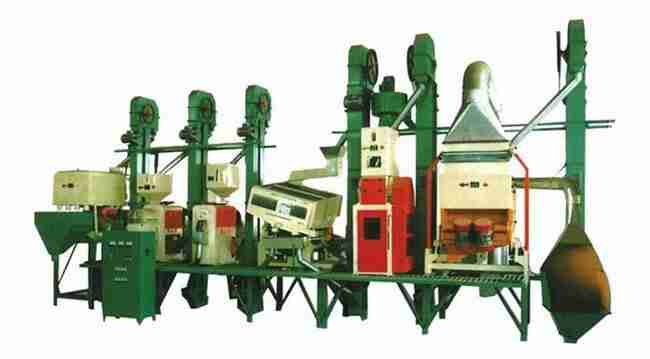
Understanding the Role of Rice Processing Equipment in Modern Agriculture
In the ever-evolving landscape of modern agriculture, rice processing equipment has become a cornerstone of efficiency and productivity. These machines are designed to streamline various stages of rice production, from milling to packaging. Key components of this equipment include:
- Hullers: Essential for removing the outer husk of rice grains.
- Mills: Available in different types, such as modern vertical mills, which increase yield by minimizing grain breakage.
- Sorters: High-tech machines that ensure the removal of impurities and facilitate grading based on quality.
- Packagers: Automated systems that enhance productivity while ensuring food safety standards are met.
Equipments harnessing cutting-edge technology enable farmers and processors to achieve a higher level of consistency and quality in their produce. Consequently, these advancements have led to the emergence of new industry standards and practices, ensuring that rice can meet the demands of a growing global market. A simple overview of the key benefits is illustrated below:
| Benefit | Description |
|---|---|
| Increased Efficiency | Automation reduces manual labor and speeds up processing time. |
| Improved Yield | Advanced milling technologies minimize product loss. |
| Quality Assurance | Enhanced sorting and grading techniques provide superior grains. |
| Cost Savings | Less waste and higher production rates lead to significant savings. |

Key Technologies Transforming Rice Processing Operations
In the ever-evolving landscape of agriculture, rice processing has witnessed a technological renaissance that enhances productivity and optimizes operations. The integration of automated sorting machines has revolutionized how rice is cleaned and prepared for market. These machines leverage advanced sensors and imaging technology to efficiently identify and separate high-quality grains from contaminants such as stones, husks, and damaged grains. This not only improves the quality of the final product but also significantly reduces the time and labor required for manual sorting, making the entire process more streamlined.
Moreover, the advent of smart milling systems has allowed processors to achieve unprecedented levels of precision in rice milling. Utilizing interconnected machines, these systems can monitor and adjust various parameters in real-time, from temperature and pressure to milling speed. The ability to collect and analyze data through IoT (Internet of Things) technology enables mill operators to execute predictive maintenance, thereby minimizing downtime and enhancing operational efficiency. Such innovations not only contribute to higher yield rates but also promote sustainability by reducing waste and conserving energy throughout the processing cycle.

Optimizing Production through Proper Equipment Maintenance
Proper maintenance of rice processing equipment is crucial for maximizing output and achieving consistent quality. Regular checks and preventive maintenance not only extend the lifespan of the machines but also reduce downtime caused by unexpected failures. Implementing a structured maintenance schedule can ensure that key components such as hullers, millers, and paddy separators are functioning optimally, thus enhancing overall productivity. Essential maintenance tasks include:
- Routine inspection of belts and bearings
- Lubrication of moving parts
- Calibration of machinery for precision
- Thorough cleaning to remove debris and contaminants
By prioritizing these maintenance tasks, rice processors can witness significant improvements in both efficiency and output quality. It’s also beneficial to maintain a record of maintenance activities to track performance and predict future needs. Below is a sample maintenance schedule that could be adapted for rice processing facilities:
| Equipment | Maintenance Task | Frequency |
|---|---|---|
| Huller | Inspect and adjust blades | Monthly |
| Miller | Clean and calibrate | Bi-Weekly |
| Paddy Separator | Lubricate bearings | Weekly |
| Elevator | Check for wear and tear | Quarterly |
Adopting an efficient maintenance routine not only improves the reliability of the equipment but also supports a sustainable operation. In an industry where every grain counts, investing time and resources into proper maintenance can yield substantial returns over time.
Selecting the Right Machinery for Your Rice Processing Needs
When it comes to rice processing, selecting the right machinery can make a significant difference in operational efficiency and product quality. The type of equipment you choose will largely depend on the scale of your operations, the variety of rice you process, and the specific features that cater to your business needs. For instance, if you’re focusing on small to medium-scale production, consider investing in versatile machines that offer multiple functions, such as huskers, milling machines, and polishers in one compact unit. On the other hand, large-scale operations may benefit from specialized, high-capacity machinery tailored for specific processing stages.
To help streamline your selection process, keep in mind the following key factors:
- Production Capacity: Assess how much rice your facility processes daily to determine the appropriate machinery size.
- Automation Level: Decide whether you prefer manual, semi-automatic, or fully automatic systems, as this can impact labor costs and efficiency.
- Maintenance Requirements: Evaluate how much upkeep machinery demands, which influences long-term operational costs.
- Energy Efficiency: Consider energy consumption rates to lower costs and reduce environmental impact.
- Brand Reputation: Research manufacturers and their track records to ensure reliability and effective customer support.
A well-thought-out strategy could ultimately enhance both productivity and profitability for your rice processing venture. Below is a simplified comparison table of various machinery types:
| Machinery Type | Function | Typical Capacity (kg/hr) | Automation Level |
|---|---|---|---|
| Husker | Removes husk from rice | 500 - 1000 | Semi-automatic |
| Milling Machine | Grinds brown rice into white rice | 300 – 800 | Fully automatic |
| Polisher | Improves rice appearance and quality | 250 – 600 | Manual/Semi-automatic |
By examining these components carefully, you can steer your rice processing operation toward sustainable success.
In Summary
the journey through the world of rice processing equipment reveals a landscape rich with potential for efficiency and innovation. As we have explored, the right machinery not only streamlines operations but also enhances the quality of the final product. From the husking of brown rice to the polishing of white rice, each step in the processing chain is crucial for maximizing yield and meeting market demands.
As you continue to navigate this essential field, remember that investing in reliable, advanced equipment is key to staying competitive. The technology available today is designed not just to meet current demands but to anticipate future challenges in rice production and processing. By embracing these tools and techniques, you are not just optimizing processes—you are contributing to a more sustainable and efficient agricultural industry.
As you embark on your path to efficiency, let this guide serve as a cornerstone of knowledge. Whether you’re a seasoned professional or new to the field, the potential for growth and improvement is at your fingertips. Here’s to unlocking efficiency, one kernel at a time.




