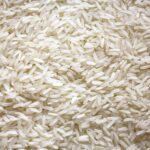
Unlocking Efficiency: Inside the Parboiled Rice Processing Plant
In a world where time is currency and efficiency reigns supreme, the humble parboiled rice processing plant stands as a testament to innovation and productivity. Few processes encapsulate the fusion of tradition and modernity as vividly as the transformation of raw rice into the golden grains that grace plates around the globe. Within these bustling facilities, a symphony of machinery, science, and craftsmanship orchestrates the metamorphosis of grain, unlocking not just flavor and nutrition, but also a wealth of economic potential.
In this article, we will delve into the inner workings of parboiled rice processing plants, uncovering the steps that elevate this staple food into a culinary marvel. From soaking and steaming to drying and milling, each stage is carefully calibrated to maximize output while ensuring quality. Join us as we explore the intricate processes, innovative technologies, and sustainable practices that define this vital industry and contribute to food security worldwide. Whether you’re a food enthusiast or a supply chain aficionado, prepare to discover the efficiency that lies at the heart of every grain.
Exploring the Parboiling Process and Its Benefits
The parboiling process, a method where rice is partially boiled in the husk, offers numerous benefits that enhance both nutritional value and cooking qualities. Through this technique, the grains absorb water and steam, which helps to gelatinize the starch within. As a result, parboiled rice boasts a firmer texture and a reduced likelihood of breaking during milling and cooking. Some prominent advantages include:
- Improved Nutritional Profile: The process retains essential vitamins and minerals from the bran layer of the rice.
- Enhanced Cooking Characteristics: Parboiled rice remains separate and fluffy, making it ideal for a variety of dishes.
- Extended Shelf Life: The parboiling process helps to stabilize the rice, reducing its vulnerability to spoilage.
Furthermore, the use of parboiled rice in culinary applications can also provide significant time and energy efficiencies. Cooking times are often reduced compared to regular white rice, leading to quicker meal preparation without compromising the quality. In commercial settings, the adoption of parboiling technology allows producers to maximize yield while minimizing waste. A concise look at the properties of parboiled versus regular rice can be represented in the following table:
| Property | Parboiled Rice | Regular Rice |
|---|---|---|
| Nutritional Value | Higher | Lower |
| Cooking Time | Shorter | Longer |
| Texture | Fluffy and Separate | Sticky |
| Shelf Life | Longer | Shorter |

Innovative Technology: Enhancing Productivity in Rice Processing
In the rapidly evolving world of rice processing, the integration of innovative technology has emerged as a game-changer, setting new standards for productivity and efficiency. Advanced machinery, equipped with smart sensors and automated systems, streamlines the entire parboiling process, ensuring even cooking and superior quality. Key features include:
- Automated Monitoring: Continuous analysis of temperature and moisture levels minimizes human error.
- Smart Sorting: High-resolution cameras paired with AI algorithms accurately detect and eliminate defects in raw grains.
- Energy Efficiency: Modern equipment is designed to consume less energy without compromising on performance.
This technological transformation isn’t just about boosting output; it also fosters sustainable practices within the industry. By harnessing data analytics, plants can optimize resource usage, aligning production with demand and reducing waste. Moreover, innovative cooling and drying systems enhance preservation, extending the shelf life of parboiled rice. The table below illustrates the comparison of traditional versus modern processing methods in terms of productivity and resource efficiency:
| Processing Method | Productivity (Tons/Hour) | Energy Consumption (kWh/Ton) |
|---|---|---|
| Traditional Methods | 3 | 100 |
| Modern Automated Systems | 7 | 60 |

Quality Control Measures for Optimal Parboiled Rice
In the pursuit of excellence, the parboiled rice processing plant employs a suite of meticulous quality control measures designed to ensure that the final product meets the highest standards. These practices are not merely procedural; they encompass a holistic approach that begins right from the selection of raw materials to the final packaging of the rice. Critical steps include:
- Grain Inspection: Every batch of rice undergoes rigorous visual inspection to identify impurities, damaged grains, and foreign materials.
- Moisture Content Analysis: Advanced hygrometers measure moisture levels, ensuring the rice is neither too dry nor too moist, which can affect cooking quality.
- Parboiling Consistency Checks: Regular sampling during the parboiling process guarantees uniformity in texture and color across batches.
- Sensory Evaluation: A trained panel conducts taste tests to assess aroma, flavor, and texture, vital for the consumer’s experience.
Moreover, the implementation of state-of-the-art technology aids in tracking quality metrics throughout production. This data-driven approach minimizes risks and enhances transparency within the processing stages. The plant’s quality assurance team meticulously documents parameters in an organized manner:
| Quality Parameter | Measure | Frequency |
|---|---|---|
| Grain Integrity | Visual Inspection | Every Batch |
| Moisture Level | Percentage Check | Hourly |
| Color Uniformity | Colorimeter Readings | Per Shift |
| Taste Test | Panel Review | Weekly |
Sustainability Practices for a Modern Processing Plant
Modern processing plants are increasingly focusing on sustainability to minimize their environmental impact while maximizing efficiency. In a parboiled rice processing plant, key practices include the utilization of renewable energy sources and the implementation of waste-to-energy systems. By integrating solar panels and biomass digesters, plants can significantly reduce their reliance on fossil fuels and lower operational costs. Additionally, water conservation measures such as recycling wastewater and employing rainwater harvesting systems play a critical role in enhancing sustainability, ensuring that water is utilized efficiently throughout the processing stages.
The commitment to sustainable practices also extends to resource management and emissions reduction. Processing plants can adopt energy-efficient machinery and smart sensors to optimize operations, leading to lower energy consumption. Furthermore, training staff in sustainability awareness cultivates a culture of responsibility, driving innovations in waste minimization. The following table illustrates the effectiveness of various sustainability initiatives:
| Initiative | Impact |
|---|---|
| Solar Energy Installation | Reduces operational costs by up to 30% |
| Wastewater Recycling | Saves 50% more water |
| Biomass Utilization | Produces energy from plant waste |
Wrapping Up
As we conclude our exploration of the parboiled rice processing plant, it becomes increasingly clear that the journey from paddy to plate is one marked by innovation and efficiency. The techniques employed within these facilities not only enhance the nutritional value and cooking quality of rice but also contribute to sustainability in a world where food security is paramount. By unlocking the potential of parboiling, we find ourselves at the intersection of tradition and technology, where each grain tells a story of progress and adaptation.
Understanding the intricacies of this process inspires a deeper appreciation for the humble rice grain and the dedicated effort of those behind the scenes. As we move forward, the lessons gleaned from these operations can serve as a model for other agricultural processing industries, highlighting the importance of continuous improvement in our quest for global food sustainability.
So, as you savor your next meal of parboiled rice, remember that you are not just enjoying a staple food but participating in a larger narrative of efficiency, innovation, and resilience in the face of modern challenges. The story doesn’t end here; it’s an ongoing journey of growth and possibility, one grain at a time.