In the heart of bustling agricultural landscapes,where golden fields stretch as far as the eye can see,a silent conversion takes place—one that turns humble grains into staple foods that nourish millions. Rice processing plants stand as the unsung heroes of this metamorphosis, seamlessly bridging the gap between the harvest and the table.These intricate facilities are not merely mechanisms for milling; they are intricate ecosystems where technology meets tradition, and sustainability intertwines with efficiency. As we delve into the world of rice processing, we will explore the multifaceted journey of grain transformation, uncovering the processes, innovations, and challenges that define this essential industry. Join us as we uncover how the heart of rice processing plants beats steadily, ensuring that the grains of today become the sustenance of tomorrow.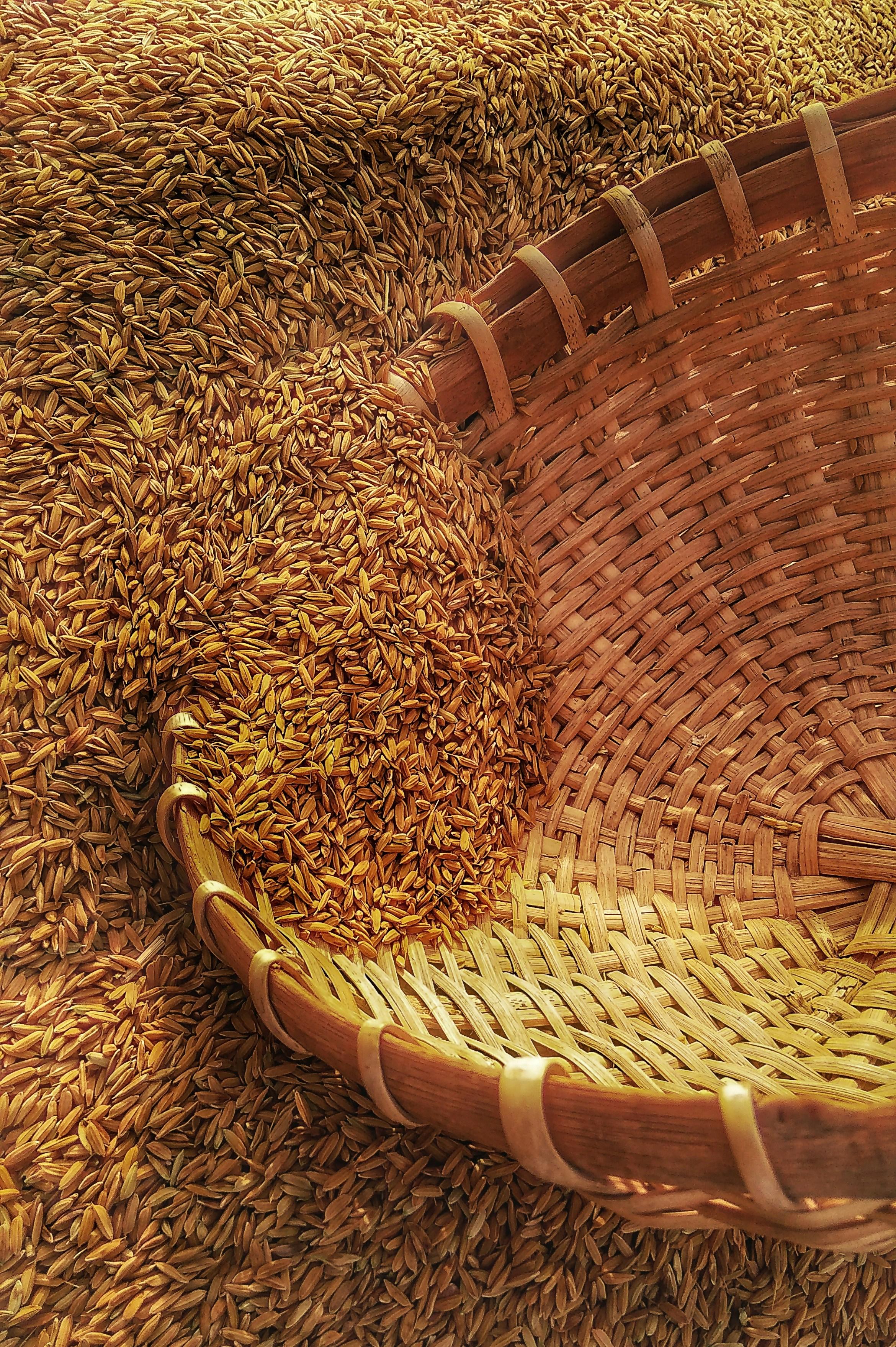
Understanding the Grain Journey from Field to Fork
The journey of grain begins far beyond the processing plant, rooted in the earth of sprawling fields where rice plants sway gently in the breeze. This crucial phase involves numerous agricultural practices that ensure the grains successfully ripen. After harvest, the grains are transported to processing facilities, transforming their raw nature into the polished products that fill our plates. Processing plants transform these humble grains through a series of refined methods, such as:
- Cleaning: The removal of impurities like stones, dust, and other foreign elements.
- Hulling: The separation of the outer husk from the edible rice grain.
- Milling: The grinding of rice to obtain finer grades suitable for cooking.
- Polishing: Enhancing grain appearance and texture by removing bran layers.
Each of these steps is vital to ensure the quality and safety of the rice we consume. The processing plant environment is a hub of technology and efficiency, often incorporating state-of-the-art machinery to streamline these operations. A closer look reveals that numerous factors influence the rice’s journey, from its initial health in the field to the precise handling in the plant. Below is a simple illustration of the meaningful stages involved in rice processing:
| Stage | Description |
|---|---|
| harvesting | the gathering of mature rice plants from the field. |
| Drying | Reducing moisture content to preserve grains. |
| Storage | keeping grains in controlled conditions to prevent spoilage. |
| Processing | Transforming raw grains into ready-to-cook rice. |
| Packing | Preparing rice for distribution to consumers. |

Innovative Technologies Revolutionizing Rice Processing
In the rapidly evolving landscape of agriculture, the advent of innovative technologies is transforming the way rice is processed. From the integration of automation and robotics to the utilization of smart sensors, these advancements are not only enhancing efficiency but also ensuring superior quality. The application of artificial intelligence (AI) in sorting and grading rice has significantly improved accuracy, allowing processors to maintain high standards while reducing waste. Moreover, with the rise of Internet of Things (IoT) devices, rice processing plants benefit from real-time data analytics, enabling seamless monitoring and maintenance of machinery, which minimizes downtime and boosts productivity.
Another groundbreaking innovation is the implementation of biotechnology, which is playing a pivotal role in enhancing rice varieties. This approach not only increases yield but also improves resilience to climate change and pests. Additionally, processing techniques such as microwave drying and ultrasound-assisted extraction are revolutionizing traditional methods, providing energy-efficient and time-saving solutions. Below is a summary of some cutting-edge technologies currently shaping the rice processing industry:
| Technology | Description |
|---|---|
| Automation | Streamlines production with robotic systems. |
| AI Sorting | Enhances precision in grading rice quality. |
| IoT Sensors | Monitors equipment and environmental conditions. |
| Microwave Drying | Improves energy efficiency during drying. |
Sustainable Practices: enhancing Efficiency and Reducing Waste
In the quest for sustainability within rice processing plants, innovative solutions are being explored that not only enhance operational efficiency but also significantly reduce waste. By integrating renewable energy sources like solar and biogas, facilities can power their machinery with minimal environmental impact. In addition, adopting advanced machinery that optimizes production processes can lead to a dramatic decrease in energy consumption. Here are some key sustainable practices that are making a difference:
- water Recycling Systems: Implementing systems that capture and reuse water leads to less water wastage.
- Zero-Waste Initiatives: Utilizing by-products from rice milling can create new revenue streams, such as bran oil or livestock feed.
- Improved Supply Chain Management: Streamlining logistics minimizes transportation emissions and lowers carbon footprints.
Moreover, technology plays a vital role in monitoring and reducing waste in these processes. By utilizing IoT devices and smart sensors, plants can track energy usage and identify inefficiencies in real-time. This data-driven approach allows for continual adjustment and optimization, ensuring that every grain is processed with precision. The comparison of traditional methods versus sustainable innovations is evident in performance metrics. The following table highlights some of these improvements:
| Metric | Traditional Methods | Sustainable Practices |
|---|---|---|
| energy Consumption | 100% Standard Usage | 20% Less Energy Used |
| Water Usage | 50 Liters/Rice Ton | 30 Liters/Rice Ton |
| Waste Produced | 70 kg/Tonne | 20 kg/Tonne |
Quality Control Measures to Ensure Superior Grain Output
In the intricate world of rice processing, the implementation of rigorous control measures is paramount to achieving a superior quality of grain. These measures begin with meticulous raw material selection, where only the finest rice varieties are sourced based on specific criteria such as moisture content and purity. Additionally, continual monitoring throughout the production process is essential, allowing for timely adjustments to optimize outcomes. Technologies like automated moisture detectors and colour sorters have revolutionized quality assurance, ensuring that each batch processed meets stringent safety and quality standards.
The combination of established standards and advanced technology culminates in the effectiveness of these control measures. Essential practices involve:
- regular Equipment Maintenance: Ensuring that all machinery operates at peak efficiency minimizes the risk of contamination and mechanical defects.
- sampling Procedures: Frequent sampling of grains during processing helps identify any deviations, allowing for corrective actions to be taken swiftly.
- Training Staff: Continuous education and training of personnel on best practices in quality assessment enhance overall productivity and product integrity.
| Quality Control Measure | Purpose | Impact on Output |
|---|---|---|
| Raw Material Inspection | Ensures only high-quality rice enters production | Reduces rejection rates |
| Moisture Content Monitoring | Prevents spoilage and quality degradation | Enhances shelf-life |
| Final Product Testing | Verifies compliance with quality standards | Boosts consumer trust |
Key Takeaways
As we conclude our exploration of rice processing plants and the intricate journey from grain to nourishment, it becomes evident that these facilities are more than mere industrial hubs; they are vital cogs in the global food supply chain. The transformation of grain into rice is a meticulous process, fueled by innovation and tradition, where every step is essential in ensuring quality, sustainability, and efficiency.
In the heart of each processing plant lies a commitment to not only preserving the essence of the rice but also enhancing its journey from field to fork. As technology continues to advance, the potential for these facilities to evolve further is immense, paving the way for more sustainable practices and improved food security.
We invite you to reflect on the next time you savor a bowl of rice—each grain carries with it a story of transformation, dedication, and an intricate network that brings nourishment to tables around the world. In understanding the heart of rice processing, we celebrate the connection between agriculture, industry, and community, and foster deeper appreciation for the food we enjoy daily.