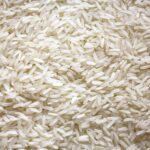
In the heart of countless cuisines around the world lies a staple that has sustained civilizations for millennia: rice. As global demand for this versatile grain continues to surge, the processes involved in its cultivation and processing are undergoing significant transformations. Traditional methods, while time-honored and culturally rich, are increasingly giving way to advanced technologies that promise to enhance efficiency and quality. This article delves into the exciting world of modern rice processing, exploring the essential equipment that is revolutionizing how this beloved grain is milled, packaged, and distributed. From cutting-edge machines that maximize yield to innovations that ensure sustainability, we’ll uncover how the rice industry is evolving to meet the challenges of the 21st century, all while preserving the cultural heritage that makes rice a revered food staple. Join us as we embark on a journey through the essential tools shaping the future of rice processing.
Innovative Technologies Transcending Traditional Techniques
The rice processing industry has witnessed a remarkable transformation with the introduction of advanced machinery that enhances efficiency and quality. Modern equipment not only increases output but also ensures that the nutritional integrity of the rice is maintained. Key innovations include automated milling systems, which eliminate the risk of human error, and precision sorting machines that utilize optical technology to select the highest quality grains. The integration of these technologies allows for a more consistent product and reduces the wastage typically associated with traditional methods.
In addition to improved machinery, the use of data analytics is revolutionizing how rice processing plants operate. By implementing smart sensors and IoT-enabled devices, processors can monitor every stage of production in real-time, allowing for quick adjustments and optimization. Some of the essential modern equipment includes:
- Color Sorters: Ensure only the finest grains are packaged.
- Rice Polishers: Enhance the appearance while preserving nutrients.
- De-stoners: Remove impurities effectively.
| Technology | Benefits |
|---|---|
| Automated Milling | Increased efficiency & reduced labor costs |
| Optical Sorters | High-quality selection and minimal waste |
| IoT Sensors | Real-time monitoring for better decisions |
This forward-thinking approach not only streamlines the production process but also prepares rice processors to meet the demands of global markets that increasingly prioritize quality and sustainability. As technology continues to evolve, embracing these modern solutions will be essential for those wishing to thrive in an ever-competitive landscape.

Key Equipment for Enhancing Efficiency and Quality
Investing in cutting-edge machinery can dramatically transform the effectiveness of rice processing operations. Modern rice milling equipment not only streamlines production but also enhances the quality of the final product. Essential machinery includes:
- Pre-cleaners: These eliminate impurities before milling, ensuring higher quality output.
- Huskers: Vital for separating the husk from the rice grain, thereby enhancing its appearance.
- Milling machines: Advanced milling technology optimizes efficiency by maximizing recoveries while minimizing broken grains.
- Grading systems: Automated graders sort rice by size, ensuring uniformity and market readiness.
Furthermore, the use of state-of-the-art monitoring systems can significantly improve quality control. By incorporating these technologies, processors can gather data on moisture levels, impurities, and even overall machinery efficiency. A few outstanding innovations include:
| Equipment | Function |
|---|---|
| Moisture Meters | Ensure optimal moisture content for storage and cooking. |
| Color Sorters | Eliminate discolored grains, thus improving market quality. |
| Packers | Automate packaging for efficiency and consistent weight. |
Sustainability in Rice Processing: The Role of Modern Machinery
In the contemporary landscape of rice processing, the integration of modern machinery has brought forth a paradigm shift towards sustainable practices. Advanced technologies not only enhance productivity but also minimize environmental impact. For instance, the adoption of energy-efficient equipment significantly reduces the carbon footprint associated with traditional rice milling operations. Key innovations include:
- Solar-Powered Dryers: Harnessing renewable energy to dry rice more efficiently.
- Cleaner Production Techniques: Utilizing less water and generating minimal waste during the milling process.
- Sensor-Based Technologies: Monitoring real-time data to optimize resource use and reduce spoilage.
Furthermore, modern rice processing machinery is designed with materials that are not only durable but also recyclable. This approach promotes a circular economy within the industry, ensuring that equipment can have an extended lifecycle while paying careful attention to environmental stewardship. To illustrate the benefits of these advancements, consider the following table showing the comparison of traditional versus modern equipment impacts:
| Aspect | Traditional Equipment | Modern Equipment |
|---|---|---|
| Energy Consumption | High | Low |
| Water Usage | Excessive | Reduced |
| Waste Generation | Significant | Minimal |
This shift not only ensures the longevity of rice processing practices but also aligns the industry with the growing consumer demand for sustainable agricultural products, paving the way for a more eco-conscious future.
Integrating Automation to Meet Market Demands and Standards
As the global demand for rice continues to rise, integrating automation into processing facilities has become a necessity for maintaining competitive advantage. Advanced equipment such as automated paddy separators and rice polishers not only streamline operations but also elevate the quality of the final product. By utilizing technologies like IoT sensors and AI-driven analytics, businesses can monitor production processes in real time, ensuring compliance with international standards and enhancing efficiency. This digital transformation empowers operators to make data-driven decisions that can reduce waste and optimize yield.
Furthermore, adopting an automated approach brings significant benefits across various aspects of rice processing. Key advantages include:
- Increased throughput: Modern machinery can process larger quantities of rice in a shorter time, meeting demand fluctuations with ease.
- Consistency and quality: Automation minimizes human error, ensuring uniformity in product quality.
- Safety improvements: Automated systems reduce the need for manual handling, decreasing the risk of workplace accidents.
- Cost efficiency: Over time, automated solutions can lower labor costs and operational expenditures.
This shift towards automation is not just about upgrading machinery; it reflects an industry-wide commitment to sustainability and responsible sourcing. The integration of these technologies is paving the way for a more resilient supply chain that responds effectively to market demands while aligning with evolving standards.
To Wrap It Up
As we stand at the forefront of technological advancements in agriculture, the evolution of rice processing equipment serves not only to enhance operational efficiency but also to address the growing demands of a rapidly changing global market. The integration of modern machinery—ranging from automated huskers to precision sorters—illustrates a broader shift towards innovation in the quest for sustainability and quality.
In a world where food security and consumer preferences are in constant flux, embracing these advancements isn’t merely an option; it’s a necessity. As farmers and processing facilities adopt these essential tools, we can expect to witness significant improvements in yield, reduced waste, and enhanced flavor profiles in every grain.
Thus, as we look towards the future, the message is clear: revolutionizing rice processing isn’t just about modernizing equipment; it’s about reimagining the entire journey from paddy to plate. By leveraging technology and innovation, we can cultivate not just better rice, but a more sustainable food system for generations to come. As this sector continues to advance, the potential for growth and transformation remains boundless, inviting us all to stay engaged and excited about what lies ahead.