
Inside a Parboiled Rice Processing Plant: A Step-by-Step Journey
As dawn breaks over the gleaming machinery of a parboiled rice processing plant, the rhythmic hum of equipment awakens the promise of nourishment and innovation. In a world where the journey from field to fork is often obscured, the processing plant stands as a bustling hub of transformation. Here, humble grains undergo a meticulous process that not only enhances their nutritional value but also fortifies their appeal. Join us as we embark on a step-by-step exploration of this intricate facility, unveiling the science and artistry involved in producing parboiled rice. From the initial soaking of paddy to the final packaging, we will delve into the heart of the operation, revealing the pivotal roles of technology and craftsmanship in shaping one of the world’s staple foods. Prepare to uncover the complexities and dedication woven into every grain that finds its way to your plate.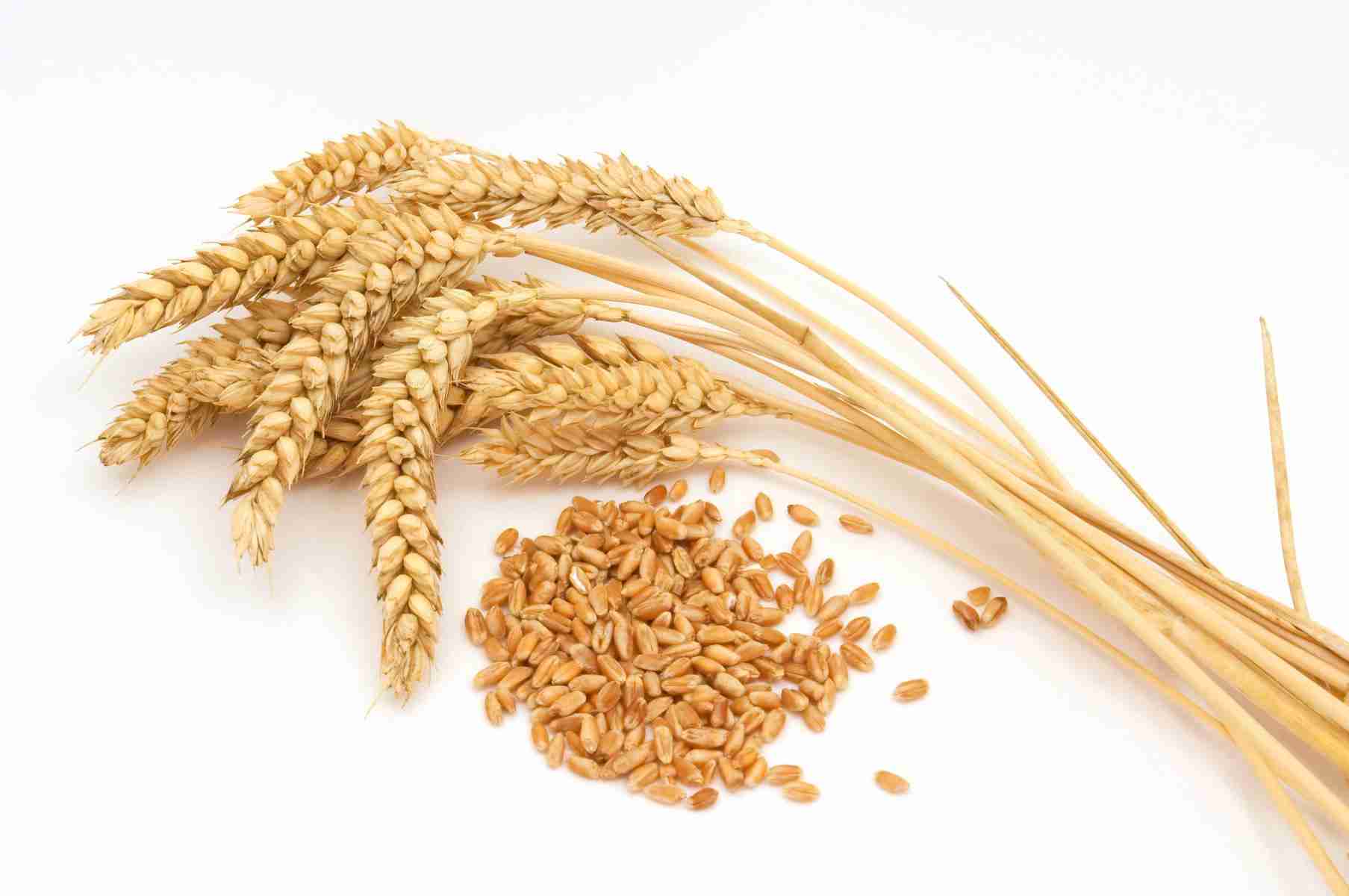
Exploring the Journey from Grain to Glory
At a parboiled rice processing plant, the journey begins with the careful selection of high-quality paddy, as each grain holds the potential for transformation. The first step involves soaking the paddy in hot water, a crucial phase that softens the kernels. This soaking is followed by steaming, which not only enhances the nutritional value but also helps preserve the grains’ natural color. The water-soluble nutrients are absorbed by the rice, while the steaming process gives it that distinctive texture that is cherished by chefs worldwide. The paddy is subsequently dried to the perfect moisture content, ensuring that it maintains its quality throughout handling and storage.
After the moisture is controlled, the next step is milling, where the outer husk is removed to unveil the polished grains underneath. This process is both an art and a science—ensuring that minimal broken grains are produced, which can affect overall marketability. Once milled, the rice undergoes a rigorous grading process based on size, shape, and quality, categorized into premium, medium, and regular grades. the grains are packaged into bags, ready for distribution to grocery stores and kitchens, where they will eventually culminate in delightful dishes that bring families together.
| Process | Description |
|---|---|
| Soaking | Hot water treatment to soften the paddy. |
| Steaming | Enhances nutrition and preserves color. |
| Drying | Achieves optimal moisture for storage. |
| Milling | Removes the husk and polishes the grain. |
| Grading | Categorizes rice based on quality and size. |

The Science Behind Parboiling: A Closer Look
Understanding the intricacies of parboiling begins with the science of heat transfer and moisture penetration. During the parboiling process, uncooked rice is soaked in water and then steamed, which initiates the gelatinization of starch. This transformation alters the rice’s texture, making it less sticky when cooked, and enhances its nutritional value by allowing essential vitamins and minerals to move from the bran into the endosperm. The result is rice that not only cooks evenly but also offers improved digestibility and a firmer bite, appealing to culinary enthusiasts and health-conscious consumers alike.
Moreover, the effectiveness of parboiling is influenced by several crucial parameters. For a clear illustration, consider the following factors:
- Soaking Time: Critical for moisture absorption, typically lasting 4-24 hours.
- Steaming Duration: Usually between 30-45 minutes, enough to allow starch gelatinization.
- Cooling Method: Rapid cooling to stop the cooking process, preserving the rice’s quality.
As these elements are carefully balanced in a processing plant, they contribute to the final product’s qualities. Here’s a quick comparison of conventional vs. parboiled rice:
| Feature | Conventional Rice | Parboiled Rice |
|---|---|---|
| Nutrition Retention | Lower | Higher |
| Cooking Time | Longer | Shorter |
| Texture | Sticky | Fluffy |
Efficiency in Action: Understanding Processing Equipment
Processing equipment plays a pivotal role in the transformation of raw materials into the finished product, maximizing efficiency and maintaining quality throughout the workflow. In a parboiled rice processing plant, the journey begins with the steaming unit, where paddy rice is subjected to controlled steam treatment, enhancing its nutritional content while reducing cooking time. Following this, the drying equipment takes center stage, ensuring that moisture levels are optimal for storage and preventing spoilage. Other critical machinery includes the milling machines, which hull and polish the rice, transforming it into the white grains consumers expect. Each piece of equipment is interconnected, forming a seamless assembly line where precision and timing are crucial for productivity.
To better appreciate how these components work together, consider the following aspects of processing efficiency:
- Automation: Modern plants utilize automated systems to minimize human error and increase throughput.
- Energy Efficiency: Equipment is designed to use less energy, which not only cuts costs but also reduces environmental impact.
- Quality Control: Integrated sensors monitor rice quality at each stage, ensuring consistent product output.
| Equipment Type | Function | Impact on Efficiency |
|---|---|---|
| Steaming Unit | Preserves nutrients and softens grains | Reduces cooking time |
| Drying Equipment | Controls moisture content | Enhances shelf life |
| Milling Machines | Hulls and polishes rice | Increases yield and quality |
Quality Control: Ensuring the Best for Your Table
As the heart of rice processing, quality control is paramount in every stage, ensuring that only the best product reaches your table. This meticulous process begins with initial inspections of raw paddy rice, where it is evaluated for factors such as moisture content, foreign material, and overall cleanliness. Following this, sample batches undergo rigorous testing in specialized laboratories, focusing on:
- Grain Appearance: Assessing the size, shape, and color consistency.
- Cooking Quality: Conducting tests to determine how well the rice cooks.
- Nutrition Profile: Analyzing the rice for its nutrient content, assuring health standards.
Once the rice has passed these initial checks, it enters the refining phase where further quality assessments continue. At this stage, state-of-the-art machinery plays a vital role in sorting and polishing the grains. Equipment equipped with sensors detects imperfections and eliminates them from the final batch. The quality assurance team oversees this process by conducting daily evaluations, which may include:
| Evaluation Aspect | Frequency |
|---|---|
| Visual Inspection | Every hour |
| Moisture Level Checks | Twice a day |
| Texture Testing | Weekly |
This dedication to quality ensures that when the packaging process is complete, customers receive rice that not only meets but exceeds expectations, making every meal an experience to savor.
To Wrap It Up
As our journey inside the bustling parboiled rice processing plant comes to a close, we emerge with a deeper appreciation for the intricate ballet of technology, tradition, and teamwork that transforms simple grains into a staple food revered across the globe. Each step, meticulously executed, reveals the dedication to quality and sustainability that underpins this essential industry.
From soaking and steaming to drying and milling, we have witnessed the transformation powered by innovation and enriched by the knowledge passed down through generations. It is a process steeped in cultural significance, connecting farmers to consumers through a meticulous supply chain.
As we reflect on the journey taken within these walls, let us carry forward the understanding that, behind every meal of parboiled rice lies a complex narrative of agriculture, engineering, and care. The next time you savor a bowl of perfectly cooked rice, remember the unseen labor and passion that brought it to your table. In every grain lies a story—a story of resilience and nourishment that transcends borders and unites us all.




