
Rice, a dietary staple for over half the world’s population, holds an esteemed place on our plates, yet its journey from paddy fields to dinner tables is often overlooked. This journey, marked by tradition, innovation, and a rich tapestry of processes, transforms humble grains in their natural habitats into the polished rice varieties we know and love. In this article, “From Paddy to Plate: The Journey of Rice Processing,” we explore the intricate methods that underpin rice cultivation and processing. From the sun-drenched paddies where rice grows to the bustling mills that refine it, we will uncover the steps involved in bringing this vital grain to our kitchens, highlighting the interplay between age-old practices and modern technologies. Join us as we embark on an exploration of this essential food source, revealing its story—one that is as fascinating as it is fundamental to global cuisines.
Understanding Rice Cultivation and Harvesting Techniques
Rice cultivation is a delicate blend of science and tradition, involving a series of carefully orchestrated steps from planting to harvesting. Farmers typically begin by preparing the land, which involves leveling the fields to ensure proper water drainage and sediment distribution. Once the soil is primed, a rich mix of fertilizers is applied to promote healthy growth. Farmers then sow the rice seeds, often using methods such as broadcasting or transplanting. Each technique varies based on local practices and the specific rice variety being cultivated, but all share a common objective: to achieve optimal yield. Key factors affecting crop success include:
- Water Management: Proper irrigation and flooding practices to maintain ideal moisture levels.
- Weed Control: Effective methods including chemical and manual weeding to prevent competition for nutrients.
- Pest and Disease Management: Regular monitoring and organic or chemical treatments to protect the crops.
As the rice matures, monitoring the right time for harvest becomes crucial. Harvesting too early may yield immature grains, while late harvesting can lead to damage from pests or adverse weather. Manual or mechanical methods are employed depending on the scale of production and resources available. The rice plants are cut and gathered, typically leaving a small portion of the stalk in the field. Afterward, the harvested grains undergo a sequence of processing steps to transform them into consumable rice. This includes:
| Processing Step | Description |
|---|---|
| Drying | Reducing moisture content to prevent spoilage. |
| Husking | Removing the outer husk to reveal the brown rice. |
| Polishing | Removing the bran layer for white rice. |
| Grading | Sorting rice based on size and quality. |

The Role of Processing in Enhancing Quality and Flavor
Processing is a crucial step in transforming harvested rice into a staple ingredient that graces tables around the world. Throughout this journey, various techniques are employed to enhance both the quality and flavor of the rice. From hulling to polishing, each stage is meticulously designed to remove unwanted materials while preserving the rice’s natural taste and nutritional value. The processes involved can include:
- Hulling: Removing the outer husk, which helps improve the texture and digestibility.
- Whitening: Polishing the rice to achieve a desirable appearance, which may also enhance its flavor profile.
- Parboiling: A method that increases the nutrient content, resulting in a firmer grain and richer taste.
Additionally, the influence of humidity control and temperature regulation during drying and storage plays a significant role in maintaining rice quality. For instance, improper drying can lead to mold growth and off-flavors, while optimal conditions can enhance the overall taste experience. The impact of these processes can be summarized in the following table:
| Process | Effect on Quality | Impact on Flavor |
|---|---|---|
| Hulling | Improved texture | No significant change |
| Whitening | Enhanced visual appeal | May enhance flavor perception |
| Parboiling | Increased nutrients | Richer and nuttier flavor |
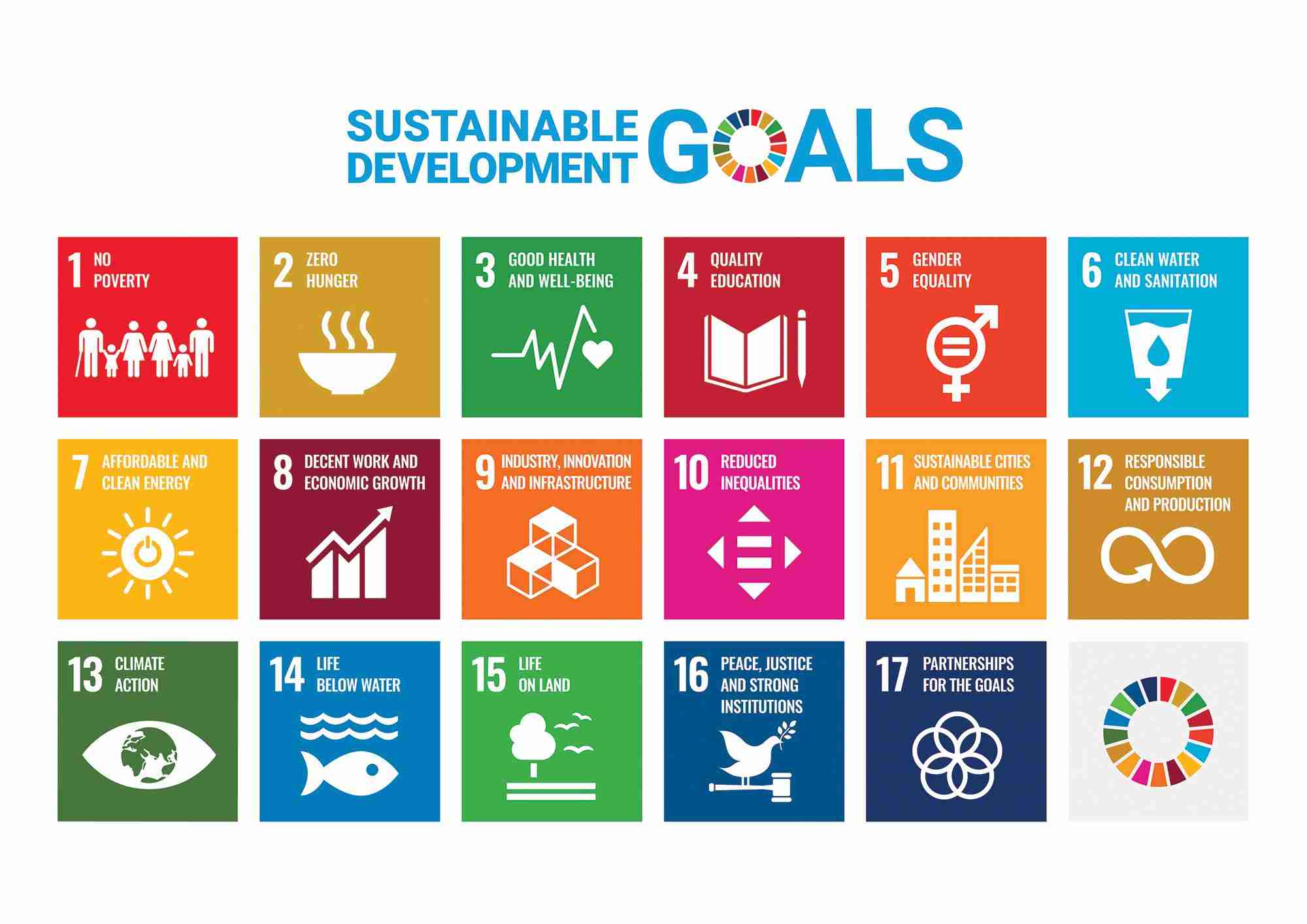
Exploring Sustainable Practices in Rice Milling
In the quest for sustainability, rice milling operations are adopting innovative practices that minimize environmental impact while maximizing efficiency. One significant advancement is the implementation of water management systems designed to recycle water used in the milling process. This not only reduces wastewater but also lessens the demand on local water sources. Additionally, many mills are now utilizing solar energy to power their operations, significantly cutting down on greenhouse gas emissions. As rice milling processes require a substantial amount of energy, the shift towards renewable sources is a crucial step towards a greener industry.
Moreover, rice by-products are becoming an integral part of sustainable practices. Rather than discarding husks, bran, and other residual materials, forward-thinking mills are exploring ways to repurpose these by-products. For instance, husks can be transformed into biomass fuel, while rice bran is processed into health supplements and organic fertilizers. The following table illustrates some of these by-product utilizations:
| By-Product | Utilization |
|---|---|
| Rice Husks | Biomass fuel for energy generation |
| Rice Bran | Health supplements & organic fertilizers |
| Broken Rice | Animal feed and snacks |
These sustainable practices not only enhance productivity but also play a pivotal role in ensuring that the rice industry can thrive without compromising the health of our ecosystems. By integrating such methods, rice milling stands at the forefront of sustainable agricultural practices, presenting a model for other sectors to emulate.
From Packaging to Consumption: Ensuring Freshness and Nutrition
After the initial harvest, the journey of rice reaches a critical phase where careful attention to packaging and storage plays a key role in maintaining its freshness and nutritional value. Once processed, rice must be packaged in high-quality, breathable materials that allow for ventilation while keeping moisture at bay. This practice not only prevents spoilage but also preserves the essential nutrients that are vital for a healthy diet. Proper handling during this stage is paramount, as it ensures that the rice retains its flavor, aroma, and texture, crucial for culinary delights.
As consumers bring packaged rice into their homes, the focus shifts towards optimal storage to maximize its shelf life. Key practices include:
- Cool and Dry Environment: Store rice in a cool, dry place away from direct sunlight.
- Airtight Containers: Utilize airtight containers to keep out pests and moisture.
- Humidity Control: Keep rice in areas with low humidity to prevent clumping and spoilage.
Each of these measures is designed to ensure that when the rice finally reaches our plate, it maintains not just its quality but also its nutritional integrity, ready to be transformed into a wholesome meal that nourishes the body and delights the palate.
The Conclusion
As we conclude our exploration of “From Paddy to Plate: The Journey of Rice Processing,” we are reminded of the intricate processes that transform humble grains into the staple that graces tables around the world. Each step, from careful cultivation in the fields to the meticulous sorting and packaging in processing facilities, embodies the dedication of countless individuals who ensure that rice remains a vital source of nourishment and comfort.
This journey not only highlights the importance of sustainable practices to protect our environment but also underscores the cultural significance of rice in diverse cuisines. Whether enjoyed in a simple bowl of steamed rice or as part of a complex dish, the story of rice is a testament to human ingenuity and resilience.
As you savor your next meal, take a moment to appreciate the rich history and labor that brought this staple to your table—a journey that connects us all, one grain at a time. The next time you enjoy a rice dish, remember: it’s more than just food; it’s a global tapestry woven from tradition, innovation, and shared sustenance.




