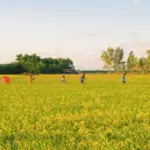
Rice is a staple that transcends cultures and cuisines, weaving its way into the very fabric of our daily lives.From a humble grain to the centerpiece of culinary masterpieces, the journey of rice from field to table is a remarkable process that often goes unnoticed. In this exploration, we will delve into the intricate steps of rice processing, uncovering the meticulous practices and innovative techniques that transform freshly harvested grains into the products we recognize on our plates. Join us as we navigate the fields where rice is grown, the mills where it is polished, and the kitchens where it is lovingly prepared, illuminating the path that this essential food takes to nourish our bodies and bring people together around the dinner table. Understanding this journey not only enhances our appreciation for rice but also highlights the agricultural craftsmanship that sustains it.
The Origins of Rice: Cultivation and Harvesting Techniques
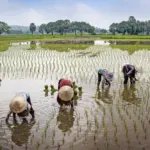
Rice is an ancient staple that traces its origins back thousands of years, primarily in Asia, where its cultivation has evolved alongside human civilization. The domestication of rice began in the Yangtze River Valley of China, where the warm, moist climate provided ideal conditions for its growth. Over time, this adaptable crop was spread across continents, notably to Southeast Asia, India, and eventually, the Americas.Key cultivation practices emerged as rice farmers learned to manipulate their environment. Techniques such as wet rice cultivation—flooding fields to create paddies—allowed for enhanced yields and provided a enduring method of farming. Additionally, farmers often employed hand planting and transplanting methods, ensuring healthier seedlings and better soil health.
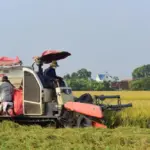
Harvesting rice is equally important, as it marks the culmination of a diligent growing season. Traditionally, farmers would use sickle tools to cut down the stalks by hand, a practice that remains prevalent in many parts of the world today. In modern agriculture, mechanized harvesters have transformed this process, boosting efficiency dramatically. Following the cutting, rice undergoes a series of steps which include threshing—separating the grain from the husk—and dried processing to reduce moisture content for better storage. These practices not only streamline the journey from field to table but also uphold age-old traditions that connect us to our agricultural roots. the grains are then subjected to sorting and milling, leading to the polished rice that we commonly see today, ready to grace our tables.

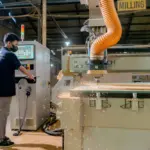
The Science of Milling: Transforming Raw Grain into Edible Rice
Quality Control in Rice Processing: Ensuring Flavor and Safety
Quality control in rice processing is pivotal in delivering not just a product,but a promise of flavor and safety.Achieving the right texture, aroma, and taste begins in the field, where meticulous attention is given to varietal selection and harvest timing.As grains make their way thru processing facilities, advanced techniques play a crucial role in maintaining high standards. Each batch undergoes rigorous scrutiny through methods such as:
- Physical Inspection: Checking for broken or damaged grains.
- Grain Testing: Assessing moisture levels to prevent spoilage.
- Flavor Profiling: Sampling cooked rice to ensure desirable taste notes.
- Microbial Testing: Ensuring safety from harmful organisms.
Post-processing, packaging must also adhere to strict guidelines to preserve the quality achieved through these rigorous checks. Containers are often designed to offer extended shelf life and maintain flavor integrity. Principles of traceability come into play here, ensuring consumers can easily trace the origin of their rice, thereby enhancing trust. A extensive overview of common quality checks can be outlined as follows:
| Quality Check | Description | Importance |
|---|---|---|
| Moisture Content | Measured with moisture meters | Prevents spoilage and rancidity |
| Purity Test | Sorting by size and weight | Ensures consistency in cooking |
| Sensory Evaluation | Taste tests by trained panels | Validates flavor and texture |
Sustainable Practices in Rice Production: Balancing Yield and Environmental Impact
As the global demand for rice continues to rise, adopting sustainable agricultural practices in rice production has become imperative for protecting our environment while maintaining robust yields. Farmer education plays a crucial role in this transition; by teaching techniques such as crop rotation, integrated pest management, and water-saving irrigation, we can enhance soil health and minimize the use of harmful chemicals. Moreover, employing native varieties of rice that are resilient to pests and climate change can significantly reduce the need for synthetic inputs, preserving biodiversity while also ensuring food security.
Another essential aspect of sustainable rice cultivation is the efficient use of resources.By implementing precision agriculture technologies, farmers can optimize input submission and reduce waste. Practices such as direct seeding instead of transplanting can lower labor costs and water usage, leading to a smaller environmental footprint. Collaborative efforts to create water sharing agreements among neighboring farms can further enhance water conservation efforts. The impact of these initiatives on local ecosystems is substantial, making the path to sustainability not just a necessity for rice producers, but a collective responsibility that benefits communities and the planet alike.
Final Thoughts
As we draw the curtains on this exploration of rice processing, we invite you to reflect on the intricate journey that this staple grain undertakes from its humble beginnings in the field to the inviting plates of homes around the world. Each step in the processing chain, from harvesting and milling to packaging, is a testament to the dedication of countless farmers and workers whose efforts ensure the quality and flavor of the rice we enjoy.
As you savor your next bowl of rice, remember the rich story woven into each grain—the sun-kissed fields, the skilled hands that nurture, and the technology that refines. The journey of rice is a celebration of nature, tradition, and innovation, reminding us that our meals tell a story that is as old as civilization itself. So, as you gather around the table, take a moment to appreciate the process behind every bite, for it is indeed this journey that makes rice not just a food, but a bridge connecting cultures and communities across the globe.