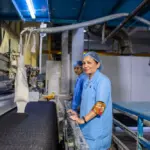
In the verdant expanses of rice paddies, where ancient traditions meet modern innovations, a silent revolution is taking root. “From Field to Fortune” delves into the transformative journey of rice processing, uncovering how cutting-edge technologies and enduring practices are not only enhancing the quality of this staple crop but are also redefining the economic landscapes of nations reliant on agriculture. As global demands for food security and economic resilience rise, the integration of innovation in rice processing emerges as a pivotal force, shaping agri-economics across continents. This article explores the intricate connections between farming, technology, and market dynamics, highlighting the profound impact of innovative techniques on the livelihoods of millions. Join us as we examine how this grain, pivotal to cultures and economies alike, is poised to become a cornerstone of prosperity in the 21st century.
Unmasking the Paradox: The Hidden Costs of High-Tech Rice Innovations in Developing Economies
High-tech rice innovations, while undeniably transformative, frequently enough carry hidden costs that can exacerbate the very challenges they aim to resolve. The promise of increased yield and efficiency can lead to a paradox wherein the benefits accrue mostly to larger agribusinesses at the expense of smallholder farmers, thereby widening socioeconomic divides. The reliance on advanced machinery and genetically modified seeds can create significant barriers to entry for local farmers due to the high initial investment required. Furthermore,these technologies can lead to increased dependency on external inputs,such as fertilizers and pesticides,which often come with their own hidden financial burdens:
- Training Costs: Farmers may require training in new techniques,adding to operational expenses.
- Maintenance: High-tech equipment demands regular maintenance and repair, leading to unexpected financial strain.
- Market Vulnerability: Dependence on monocultures makes smallholders susceptible to market fluctuations and pest outbreaks.
Moreover, an overreliance on technology often sidelines traditional farming knowledge and biodiversity. This can diminish local adaptability to changing climatic conditions, threatening future food security. A thoughtful approach to these innovations must recognize the importance of integrating state-of-the-art techniques with traditional practices. Policymakers and development organizations should prioritize:
- Inclusive Access: Ensure that smallholder farmers have access to technology without prohibitive costs.
- Education Programs: Develop comprehensive training for sustainable agricultural practices alongside technological integration.
- Biodiversity Initiatives: Encourage the preservation of traditional rice varieties to maintain ecosystem resilience.
By navigating the trade-offs between innovation and inclusivity, stakeholders can create a more equitable agricultural landscape that not only enhances productivity but also safeguards the livelihoods of small-scale farmers.Understanding these nuances will be crucial for fostering a truly sustainable future in rice production.
Beyond Hype: Reevaluating the Over-Reliance on Processing Tech in Global Rice Supply Chains
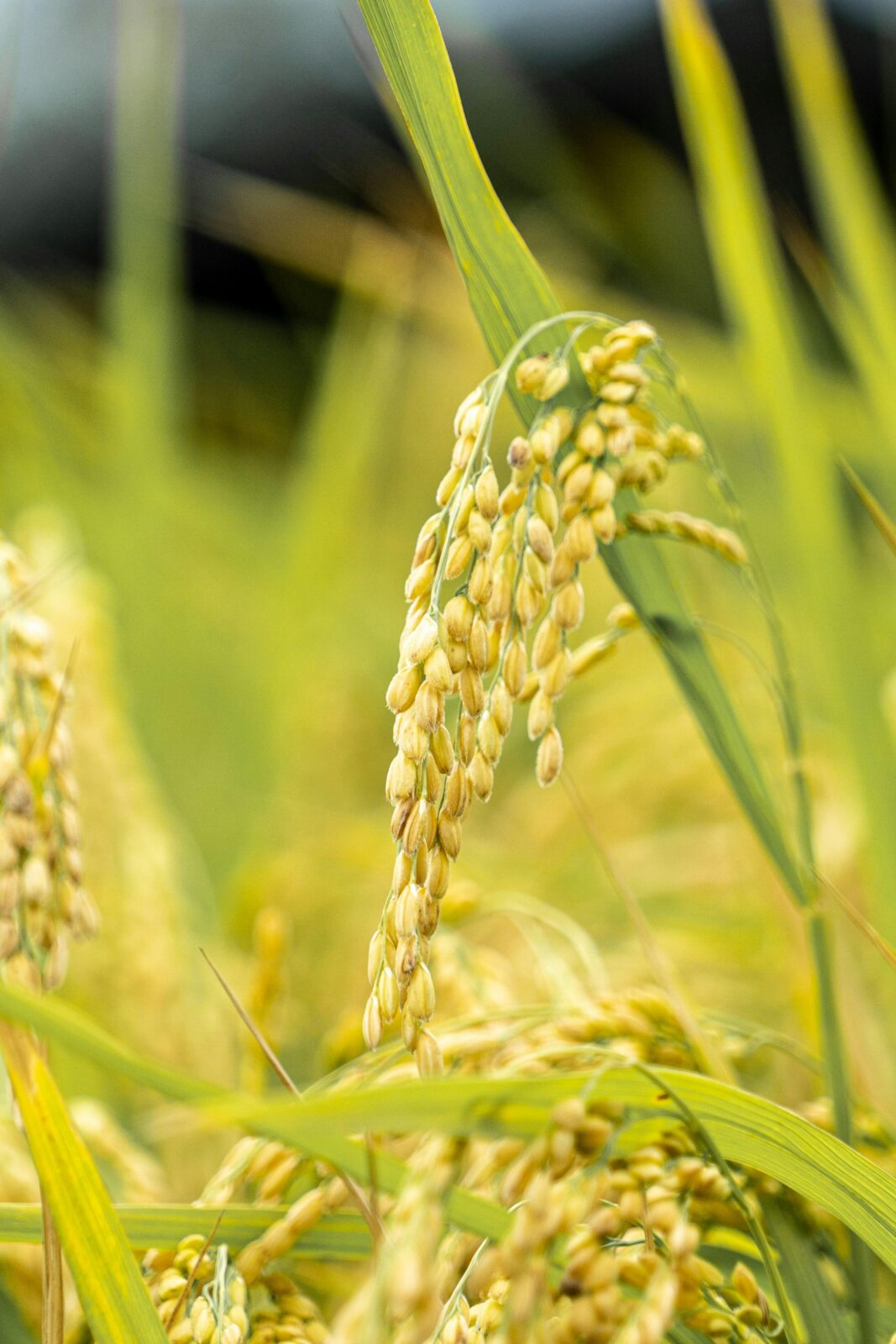
The current trend toward heightened reliance on processing technology in global rice supply chains warrants a critical reevaluation. While innovations like artificial intelligence and automation present undeniable advantages—such as enhanced efficiency and higher yields—they also risk overshadowing foundational agricultural practices. Overdependence on technology can lead to disengagement from critical issues such as soil health, traditional farming methods, and local knowledge, all of which play crucial roles in sustainable rice production. Moreover, the assumption that technology will universally mitigate risks can be misleading, particularly in regions where infrastructure is lacking, or financial resources are constrained. This creates a paradox where smallholder farmers, often the backbone of rice supply, find themselves marginalized in a landscape increasingly dominated by large-scale operations equipped with refined tech.
- Trade-off on Investment: Significant investments in processing technology can divert funds away from essential agronomic practices, such as crop rotation and soil management. Ensuring a balanced investment strategy that combines both technology and traditional methods can foster sustainability.
- Complexity vs. Accessibility: Advanced processing technologies may deepen the knowledge gap between affluent producers and small farmers. Encouraging cooperative models where tech resources are shared could help bridge this divide.
- Environmental Considerations: Increased processing can lead to greater energy consumption and waste. Emphasizing energy-efficient technologies and eco-friendly practices is critical for long-term environmental sustainability.
Ultimately, rethinking the role of technology in rice supply chains requires a careful balancing act. Stakeholders should focus on integrating technological innovation with traditional farming wisdom rather than viewing them as mutually exclusive. A nuanced approach will empower local farmers while ensuring that innovations are accessible, sustainable, and beneficial across diverse agricultural contexts. Emphasizing a dual strategy not only enhances productivity but also nurtures community resilience in the face of global economic fluctuations.
The Sustainability Dilemma: Balancing Economic Gains with Environmental Realities in rice Production
The rice sector faces a profound sustainability dilemma,wherein the urgent need for economic gains often stands in stark contrast to pressing environmental challenges. With global demand for rice projected to rise due to population growth, stakeholders—including farmers, agribusinesses, and governments—are compelled to enhance productivity.This drive for economic efficiency can lead to several critical issues:
- Soil Degradation: Intensive production practices can result in depleted soil health, leading to diminishing returns over time and necessitating increased fertilizer use.
- Water Scarcity: Traditional rice cultivation is highly water-intensive, exacerbating issues in regions already facing water stress and risking conflict over dwindling resources.
- carbon Footprint: The methane emissions from flooded paddies represent a significant contributor to greenhouse gases, questioning the long-term viability of such practices.
Striking a balance between these economic and environmental imperatives requires nuanced strategies that go beyond mere efficiency. For instance, the adoption of integrated pest management and choice wetting and drying practices has shown promise, yielding economic benefits while lessening negative environmental impact. Furthermore, the development and promotion of climate-resilient rice varieties not only safeguard production against changing climate conditions but also enhance soil health through deeper root systems. A focus on agroecological approaches,which might initially seem less profitable,can cultivate long-term resilience while concurrently securing farmer livelihoods. These approaches highlight the necessity of viewing sustainability not merely as an environmental checkbox but as a core component of economic strategy, fostering an agriculture sector that is both prosperous and mindful of its ecological footprint.
Navigating the New Agri-Economics: Strategic Choices for Farmers Amid Transformative Processing Trends
In navigating the evolving landscape of agri-economics, farmers must confront a series of strategic choices, each reflective of the transformative trends in rice processing. This is not a simple choice of adopting the latest technology but rather a nuanced decision-making process that weighs the benefits of innovation against the realities of traditional practices. Investing in advanced processing technologies such as automation and AI can substantially enhance productivity and reduce costs, but this necessitates a hefty upfront investment that may strain a farmer’s current financial resources. For some, the trade-off may lie in prioritizing immediate cash flow over long-term gains, possibly missing out on efficiency that can come from, for example, integrating by-products for value addition.
Moreover, the push towards sustainable practices should also be at the forefront of farmers’ strategic considerations. As consumers increasingly seek eco-friendly and ethically sourced products, adopting sustainable practices can not only elevate market value but also meet regulatory demands that are tightening globally. This brings forth the frequently enough-overlooked distinction between scalability and sustainability; while scaling up production through industrial methods may maximize yields,it can simultaneously jeopardize the quality and sustainability of the farming ecosystem. Farmers need to evaluate their unique circumstances — as a notable example, local soil conditions or market demand — to determine whether to pursue a high-volume, low-margin model or a low-volume, high-margin strategy that capitalizes on niche markets. Ultimately, these decisions will define not just individual farm viability but also shape the broader agri-economic landscape as emerging processing trends reshape consumer expectations and market structures.
Concluding Remarks
as we conclude our exploration of the transformative journey from field to fortune, it’s evident that innovative rice processing is not just a technical advancement; it represents a paradigm shift that ripples through global agri-economics. This evolution—from the manual labor of harvest to the precision of cutting-edge technology—highlights a vital intersection of tradition and modernity.
The implications are profound: enhanced sustainability, improved nutritional outcomes, and heightened economic opportunities for farmers and communities alike. By embracing innovation, we are not merely processing rice; we are cultivating a future where agriculture thrives in harmony with the planet and its people.
As we look ahead, the success of these initiatives will depend on a continued commitment to research, collaboration, and education. The world is watching, and the stakes are higher than ever. With the right strategies in place, the horizon is luminous for farmers and consumers, reshaping not just economies but the very fabric of food security across the globe.
In this ever-evolving landscape, one thing is clear: the journey of rice from field to fortune is just beginning, and the opportunities it presents can sow the seeds of a prosperous tomorrow.