
In a world increasingly captivated by food sources and sustainability, the journey of our meals often remains shrouded in mystery. One staple that has nourished civilizations across the globe for thousands of years is rice—a humble grain that transcends cultural boundaries and plays a vital role in diets from Asia to Africa and beyond. Yet, few pause to consider the intricate process that transforms this simple seed from field to fork. In “From Field to Fork: The Journey of Rice Processing Unveiled,” we embark on an exploration of the captivating and often overlooked steps involved in bringing rice from the sunny paddies of the countryside to our dining tables. Join us as we unveil the labor, technology, and artistry behind rice processing, revealing how this beloved grain travels through a landscape of agriculture, innovation, and tradition, ultimately becoming a cherished component of our meals.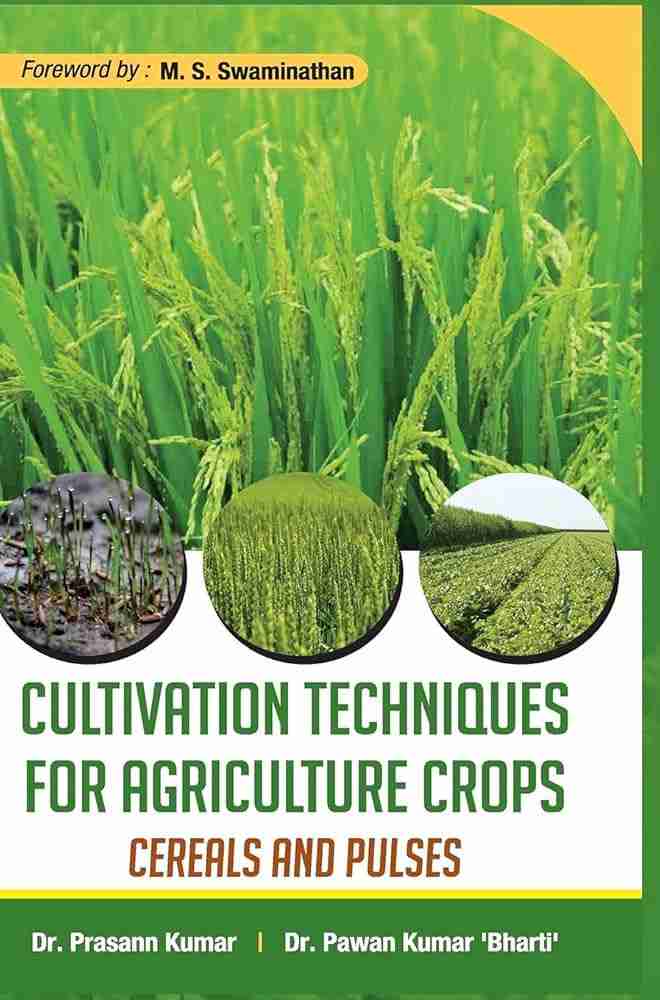
Exploring the Cultivation Techniques that Shape Quality Rice
In the intricate world of rice cultivation, various techniques are employed to ensure that each grain tells a story of quality and care. Traditionally, farmers harness time-honored methods, emphasizing flooded fields and transplanting seedlings to create an optimal environment for growth. The benefits of these techniques include the promotion of healthier plants and the minimization of weeds. Additionally, modern advancements have introduced practices such as direct seeding, which cuts down on labor costs and time, yet still aims to maintain the delicate balance of moisture and nutrient availability necessary for robust yields.
To further enhance the quality of the rice, attention is paid to post-harvest practices that complement the cultivation process. Techniques such as controlled drying and proper storage are crucial in preserving the integrity and flavor of the grain. Central to this is the concept of integrated pest management (IPM), which not only reduces the chemical footprint of farming but also promotes biodiversity. Below is a simple comparison of these cultivation techniques and their impact on rice quality:
| Technique | Advantages | Impact on Quality |
|---|---|---|
| Transplanting | Promotes healthy growth, reduces weeds | Higher grain quality |
| Direct Seeding | Lower labor costs, efficient use of space | Uniform maturity |
| Controlled Drying | Prevents spoilage, enhances flavor | Improved aroma and texture |
| Integrated Pest Management | Reduces chemical use, enhances biodiversity | Natural pest resistance |

Understanding the Processing Stages and Their Impact on Flavor
Every grain of rice carries with it the story of its journey from the lush fields to our plates, a narrative shaped significantly by the various processing stages it undergoes. Initially, the rice is harvested, and the method of harvesting—either manual or mechanical—can influence the subsequent quality of the grains. Following this, the rice enters the milling phase, where husks and bran are removed. This process not only affects the texture but also plays a crucial role in determining the flavor profile. The degree of milling, ranging from brown to white rice, brings out distinct taste characteristics, with brown rice retaining more nutrients and a nuttier flavor due to the preservation of the bran layer.
Each processing stage contributes to the rice’s ultimate flavor and texture, often overlooked by consumers. For instance, the parboiling process, which involves soaking, steaming, and drying the rice before milling, infuses the grains with a firmer texture and enhances flavor retention. Additionally, the storage conditions can further modify rice’s characteristics, as exposure to moisture or contaminants can lead to flavor degradation. Below is a concise comparison of the effects of various processing techniques on flavor and quality:
| Processing Technique | Flavor Impact | Texture |
|---|---|---|
| Harvesting Method | Quality of grains varies; manual may have less breakage. | More intact grains yield a better mouthfeel. |
| Milling Degree | Brown retains nuttiness; white offers a milder taste. | Whole grains are chewier; white is softer. |
| Parboiling | Improves flavor infusion and retention. | Results in firmer and more separate grains. |

The Role of Technology in Enhancing Rice Production Efficiency
In the ever-evolving landscape of agriculture, technology acts as a catalyst for transforming rice production into a more efficient and sustainable practice. With innovations such as precision farming and smart irrigation systems, farmers can now optimize resource usage while enhancing yield quality. Drones, equipped with high-resolution cameras and sensors, enable real-time monitoring of crop health, soil conditions, and water saturation levels, ensuring timely interventions. This approach minimizes waste of inputs like fertilizers and water, leading to both cost savings and reduced environmental impact.
Moreover, the integration of data analytics and machine learning into rice farming provides farmers with actionable insights. By utilizing predictive analytics, producers can anticipate pest outbreaks and disease, allowing for preemptive measures that safeguard their crops. Additionally, mobile applications deliver up-to-date market information, empowering farmers to make informed decisions regarding sales and pricing strategies. To illustrate the impact of technology on rice production efficiency, consider the following table:
| Technology | Benefit |
|---|---|
| Drones | Enhanced monitoring for crop health and resource management |
| Precision Farming | Optimized inputs for higher yield and reduced waste |
| Data Analytics | Improved decision-making based on predictive insights |
| Smart Irrigation | Water conservation through targeted application |
Sustainable Practices for a Balanced Rice Supply Chain
In today’s agricultural landscape, ensuring a balanced rice supply chain necessitates the adoption of practices that prioritize sustainability. Farmers can engage in crop rotation to enhance soil fertility and prevent pest cycles, leading to healthier rice crops and decreased reliance on chemical fertilizers. Additionally, integrated pest management (IPM) techniques help minimize pesticide use while protecting yield integrity through natural predators and biocontrol methods. Implementing these methods not only fosters biodiversity but also contributes to the ecosystem’s resilience against climate change impacts.
The processing stage of rice must also embrace sustainability to reduce waste and energy consumption. Water-efficient milling technologies can significantly cut down on water usage, while biomass energy from rice husks and straw can be harnessed to power processing facilities, creating a closed-loop system. Moreover, adopting eco-friendly packaging solutions—such as biodegradable or recyclable materials—can mitigate waste at the consumer level, aligning with modern environmental standards. To visualize the impact of these practices, the table below highlights the advantages of sustainable strategies in the rice supply chain:
| Practice | Benefits |
|---|---|
| Crop Rotation | Enhances soil health, reduces pests. |
| Integrated Pest Management | Decreases pesticide use with natural solutions. |
| Water-efficient Milling | Reduces water consumption during processing. |
| Biomass Energy Utilization | Creates renewable energy from by-products. |
| Eco-friendly Packaging | Minimizes environmental impact through waste reduction. |
In Conclusion
As we conclude our exploration of the journey from field to fork in the realm of rice processing, it becomes clear that this humble grain holds more than just nutritional value. The intricate pathways it traverses, from seedling to supper, reflect a blend of tradition, innovation, and sustainability. Each stage—from cultivation and harvesting to milling and packaging—reveals a network of dedicated individuals and advanced technologies working in tandem to bring this staple to our tables.
Understanding the complexities of rice processing invites a deeper appreciation for the food we consume. It illustrates how the choices we make at the grocery store can have far-reaching implications, not just for our health but for the environment and the livelihoods of farmers around the globe. As we savor each grain, let us acknowledge the unseen hands and the rich heritage that contribute to this essential staple.
In the grand tapestry of food production, rice serves as a reminder that every meal tells a story—a story worth sharing and celebrating. May this newfound awareness inspire us to nurture a more conscious approach to our dietary choices, honoring the journey of food from the fields that give life to our plates.




