
In a world where culinary traditions are cherished and flavors are savored, rice stands as one of the most essential staples, anchoring meals across cultures and continents. Yet, behind the simple grain we sprinkle onto our plates lies a complex journey that begins in lush fields and culminates in the comforting embrace of a warmly prepared dish. “From Field to Fork: The Journey of Rice Processing Explained” invites you to explore the fascinating transformation of this humble ingredient. As we trace the footsteps of rice from its sunny paddies to bustling kitchens, we’ll uncover the meticulous processes, time-honored techniques, and modern innovations that bring this global staple to our tables. Join us as we delve into the art and science of rice processing, revealing the intricate layers that shape one of humanity’s oldest and most beloved foods.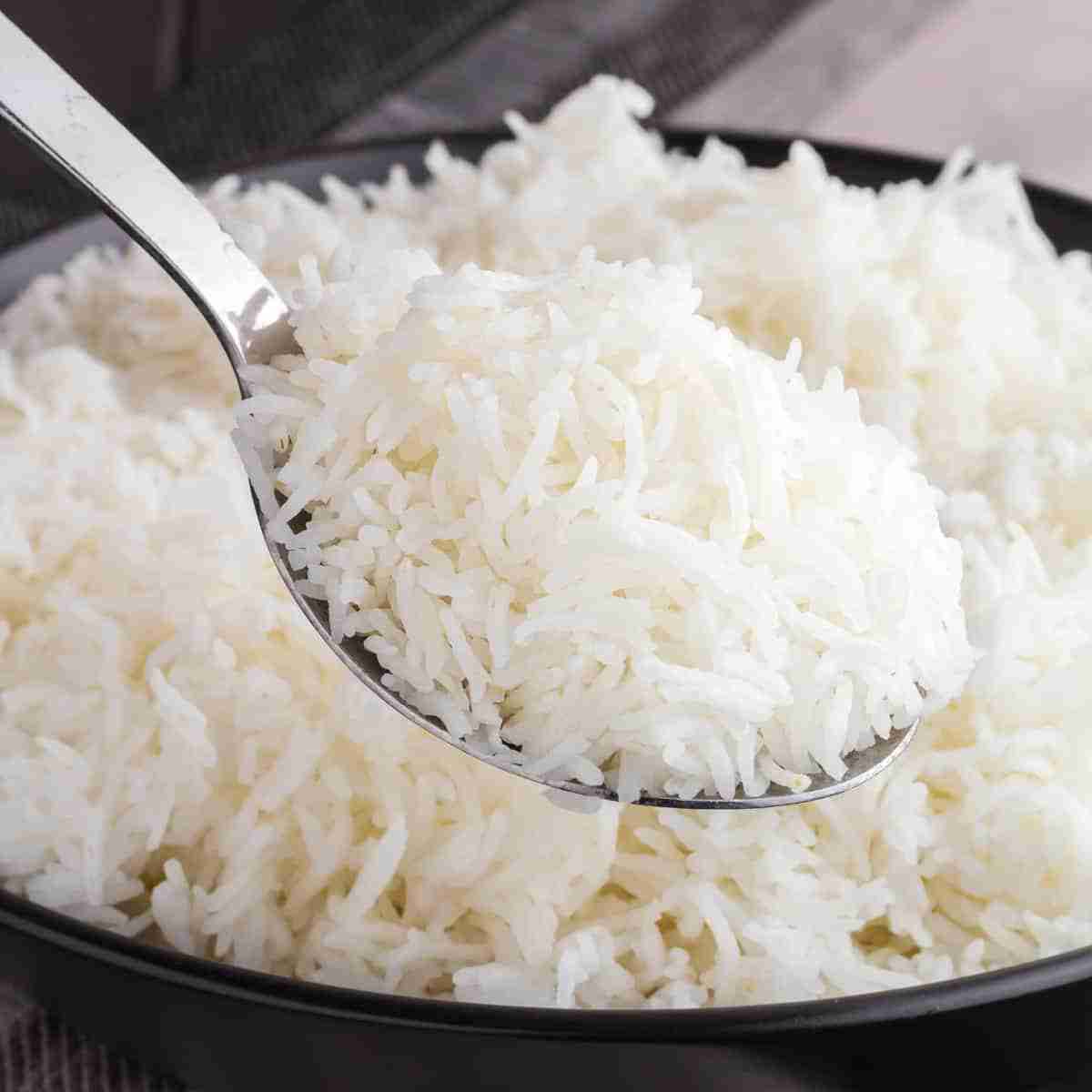
Understanding Rice Cultivation Practices
The journey of rice from field to fork begins with understanding the various cultivation practices that ensure a high-quality yield. Farmers carefully select the rice variety suited to their local climate and soil conditions. Then, they prepare the land by tilling and leveling the fields, which helps to retain water and create a conducive environment for rice growth. Before planting, it’s essential to manage water levels and apply appropriate fertilizers to enrich the soil. The most common cultivation methods include:
- Transplanting: Moving seedlings from a nursery to the main field for optimal growth.
- Direct Seeding: Sowing the seeds directly into the field to simplify the process.
- Flooding Techniques: Utilizing water management systems to control irrigation and protect crops from weeds.
As the rice plants mature, they require careful monitoring for pest and disease management, ensuring that toxic chemicals are minimized. During the harvest season, timing is critical; farmers must reap the rice when the grains are in their optimal condition to maximize yield and quality. The harvested rice undergoes a series of post-harvest treatments that include drying, milling, and storage. This essential phase not only influences the taste and texture of the rice but also plays a significant role in preserving nutritional value. Here, a simplified table outlines the essential steps involved in post-harvest processing:
| Step | Description |
|---|---|
| Drying | Reducing moisture content to prevent mold and spoilage. |
| Milling | Removing husks and bran to yield white rice. |
| Storage | Keeping rice in cool, dry conditions to maintain quality. |

The Art and Science of Milling Techniques
The transformation of harvested rice into the fine grains we cherish on our plates involves an intricate dance of art and science. Milling is not just a mechanical process; it requires a nuanced understanding of the grains and the technologies involved. Different milling techniques are employed to ensure the preservation of the nutritional quality and texture of rice while removing the husk and bran layers. Key milling methods include:
- Traditional milling: Utilizes stone grinders for a natural, slower process that maintains flavor.
- Modern milling: Involves high-tech machinery that offers precision and efficiency, often resulting in higher yield.
- Wet milling: Uses water to soften the grain, allowing for easier separation of parts.
- Dry milling: A more common approach that employs mechanical means to separate the husk from the kernel.
Understanding these techniques is vital for optimizing the milling process based on the desired end product. Various factors influence the choice of method, such as the type of rice and its intended use. Below is a brief overview of how different milling techniques affect the rice quality:
| Milling Technique | Advantages | Disadvantages |
|---|---|---|
| Traditional | Retains natural flavors and nutrients. | Time-consuming and labor-intensive. |
| Modern | Efficient; produces uniform grains. | May strip away some nutrients. |
| Wet | Enhances texture and flavor. | Requires additional water and time. |
| Dry | Commonly used; quick processing time. | Potential for lower quality if not done carefully. |

Nutritional Impact and Quality Control Measures
Rice is a staple food worldwide, and its nutritional value is influenced heavily by the processing methods it undergoes from field to fork. The journey of rice begins with the careful selection of the grain, where varieties rich in essential nutrients such as vitamins, minerals, and proteins are preferred. Within the processing stages, ensuring the retention of these vital nutrients is paramount. This encompasses practices such as minimizing milling time to preserve the bran and germ, which are packed with health benefits. Proper processing not only enhances texture and flavor but also ensures the rice maintains its nutritious properties, making it an integral part of a balanced diet.
Moreover, quality control measures are pivotal in safeguarding the nutritional integrity of rice. These measures are implemented at various stages of processing, from harvesting to packaging. Effective practices include:
- Regular sampling and testing: To assess moisture content and nutrient levels.
- Visual inspections: To detect any signs of contamination or spoilage.
- Use of modern technology: Such as infrared and X-ray analysis to evaluate grain quality.
A comprehensive quality control system ensures that consumers receive rice that not only meets safety standards but also delivers on its promise of wholesome nutrition. The road from the paddies to the table is one paved with diligence and precision.
| Nutrient | Amount per 100g of Cooked Rice |
|---|---|
| Calories | 130 |
| Protein | 2.7g |
| Carbohydrates | 28.7g |
| Fat | 0.3g |
| Fiber | 0.4g |
Sustainable Practices for a Greener Rice Industry
Transforming the rice industry into a sustainable powerhouse involves adopting innovative practices that minimize environmental impact while maximizing yield and quality. Crop rotation is a key technique that not only enhances soil health but also disrupts pest cycles, reducing the need for chemical fertilizers. Additionally, integrated pest management (IPM) promotes biodiversity and minimizes chemical inputs by utilizing natural predators. Embracing water-saving technologies such as intermittent flooding and alternate wetting and drying (AWD) can dramatically reduce water usage, essential in regions facing water scarcity. By implementing these practices, farmers can ensure healthier crops and contribute to the longevity of the ecosystem.
Furthermore, engaging in organic farming methods allows growers to produce rice free of synthetic fertilizers and pesticides, enhancing marketability to eco-conscious consumers. Establishing local cooperatives can strengthen community support and foster knowledge exchange about sustainability practices. The use of renewable energy sources, like solar and wind, in rice processing facilities significantly reduces carbon footprints and operational costs. Below is a summary table showcasing some sustainable practices and their benefits:
| Sustainable Practice | Benefit |
|---|---|
| Crop Rotation | Improves soil health and reduces pests |
| Integrated Pest Management (IPM) | Minimizes chemical usage |
| Water-Saving Techniques | Saves water and increases efficiency |
| Organic Farming | Market appeal and environmental safety |
| Renewable Energy Use | Reduces carbon footprint |
The Conclusion
As we conclude our exploration of the journey of rice from field to fork, it’s clear that this humble grain carries with it a rich tapestry of tradition, technology, and intricate processes that transform it into a staple enjoyed around the world. From the careful cultivation in lush paddies to the meticulous steps of processing and packaging, every phase plays a vital role in ensuring that the rice we serve at our tables is not only nutritious but also a reflection of countless hours of labor and dedication.
Understanding this journey deepens our appreciation for the food we consume, inviting us to recognize the farmers, processors, and all those involved in the supply chain. The journey of rice is not merely about feeding our bodies; it’s an interwoven narrative of culture, sustainability, and connection to the land and communities that nurture it.
As we move forward, let us carry with us the knowledge and respect for the path that this grain takes before it reaches our plates. The next time you savor a warm bowl of rice, remember, you’re not just enjoying a meal—you’re participating in a global tradition that has nourished generations.




