
From Field to Fork: The Art and Science of Rice Processing
In the lush expanse of rice paddies, where the golden grains sway gently in the wind, an intricate journey begins that transforms mere crops into a staple cherished across cultures. Rice, often referred to as the sustainer of life, carries a significance that transcends borders and generations. Yet, behind every bowl of steaming rice lies a meticulous process that melds tradition with innovation—an art and science that guides this humble grain from the field to our dining tables.
As we delve into the captivating world of rice processing, we will explore the intricate steps involved, from harvesting and milling to packaging and distribution. This exploration not only highlights the delicate balance of nature and technology but also reveals the dedication of countless individuals who play a role in ensuring that each grain reaches consumers in its finest form. Join us as we uncover the story of rice, a story that weaves together centuries of agricultural wisdom, modern engineering, and culinary appreciation, creating a narrative as rich as the grain itself.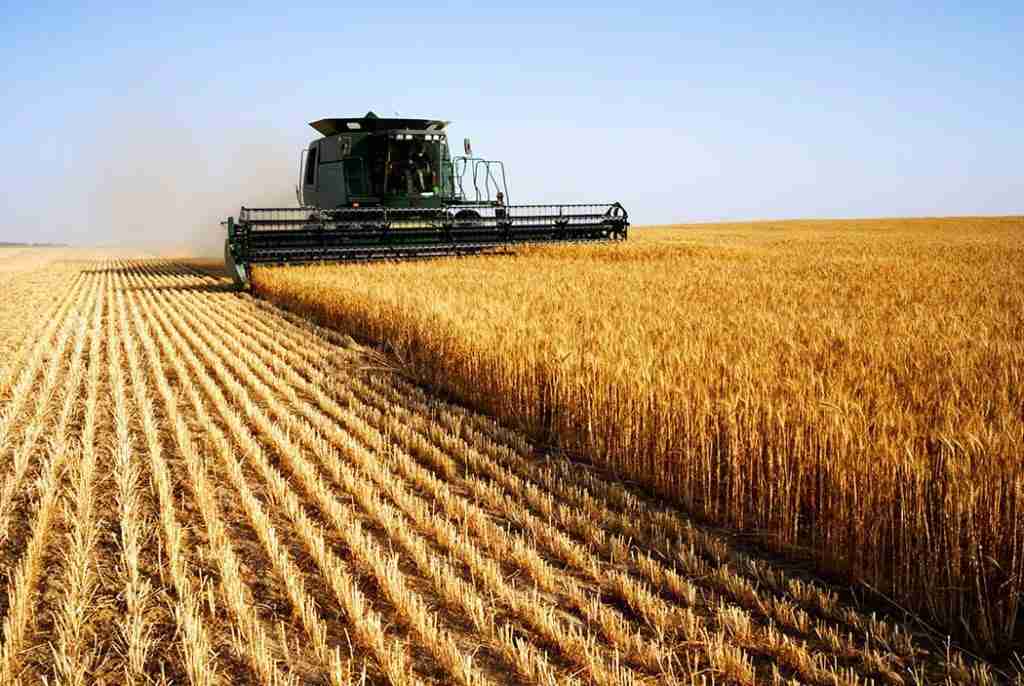
Understanding the Journey: From Harvest to Hulling
The journey of rice from the fields to the dining table is a fascinating process that involves meticulous care at each stage. After harvesting, the first crucial step is threshing, where the grains are separated from the stalks. This mechanical separation can be performed using modern machinery or traditional methods, depending on the scale of the operation. Once threshing is complete, the harvested grains undergo a cleaning process to remove impurities such as dirt, husks, and stones. This stage ensures only the finest quality grains continue on their journey. Here, optimal moisture levels are also monitored, as too much moisture can lead to spoilage during storage.
The next phase, hulling, is equally significant as it transforms brown rice into white rice. The outer husk is removed using hulling machines, which apply controlled pressure to keep the delicate grain intact. Polishing may follow hulling, where the rice grains are buffed to a glossy finish. This process, while aesthetically pleasing, can strip away some nutrients, making the nutritional balance a consideration for many consumers. The final steps include sorting and grading, ensuring uniformity in size and quality. Each grain of rice, following its path from the field to hulling, reflects the careful equilibrium between art and science aimed at enhancing flavor, texture, and nutritional value.

Mastering Milling Techniques: Enhancing Quality through Precision
Precision in milling is essential not only for achieving a refined end product but also for preserving the inherent qualities of the rice. Utilizing advanced milling techniques, processors meticulously control variables such as temperature, moisture, and mechanical forces to enhance the final yields. Ensuring that each grain is processed with exacting standards reduces breakage and waste, thereby optimizing production efficiency. Key strategies include:
- Gradual milling: This technique minimizes stress on the grains, enhancing flavor and texture.
- Adjustable roller speeds: Customizing speeds according to grain variety helps achieve consistency.
- Precision sensors: Implementing sensors during milling provides real-time data to fine-tune the process.
The refinement process extends beyond mere mechanical adjustments; it encompasses a holistic approach to quality. By investing in state-of-the-art machinery and continuous training for operators, mills can improve both operational efficiency and the nutritional profile of the rice. Below is a table showcasing the influential factors in rice milling:
| Factor | Impact on Quality |
|---|---|
| Moisture Content | Optimal moisture ensures grains remain intact during milling. |
| Temperature | Low temperatures lower the risk of grain cracking, preserving quality. |
| Broader Grain Selection | Diverse varieties lead to unique flavors and textures. |
Nutritional Insights: Preserving Rices Goodness in Processing
Rice, a staple that feeds billions, is a treasure trove of essential nutrients. However, the journey from field to fork involves meticulous processing that can amplify its health benefits while safeguarding its natural goodness. During milling, careful techniques are employed to remove the husk and bran layers without stripping away vital nutrients. This balance is crucial; the aim is to retain key components such as:
- Vitamins: Rich in B vitamins, particularly B1 (thiamine) and B3 (niacin).
- Minerals: Provides essential minerals like magnesium and phosphorus that are vital for bone health.
- Fiber: Whole grain rice varieties are packed with fiber, which aids digestion and promotes heart health.
Furthermore, advancements in processing technology have led to innovative methods that fortify rice. Techniques such as parboiling and fortification introduce additional nutrients during processing, ensuring that rice not only serves as a source of carbohydrates but also as an enriched food option. For instance, the table below illustrates how parboiled rice can have an improved nutrient profile:
| Nutrient | White Rice (cooked) | Parboiled Rice (cooked) |
|---|---|---|
| Thiamine (mg) | 0.05 | 0.18 |
| Niacin (mg) | 0.9 | 1.1 |
| Fiber (g) | 0.4 | 1.2 |
Sustainable Practices: Balancing Efficiency and Environmental Impact
In the quest for a sustainable approach to rice processing, industries are increasingly focusing on practices that not only enhance productivity but also significantly reduce environmental footprints. By integrating renewable energy sources, such as solar and bioenergy, mills can lower greenhouse gas emissions while driving operational efficiency. Furthermore, the implementation of waste recycling techniques – including repurposing husks as biomass or organic fertilizers – stands out as a pragmatic solution for minimizing waste. These approaches foster a circular economy, ensuring that resources are utilized to their full potential while safeguarding the environment.
Moreover, the adoption of precision agriculture tools has transformed the rice cultivation landscape by enabling farmers to optimize inputs like water, fertilizers, and pesticides. This revolutionary practice not only contributes to higher yields but also conserves vital resources, ensuring that farming is both lucrative and ecologically sound. By employing data analytics and integrated pest management solutions, cultivators can make informed decisions that enhance efficiency while maintaining the delicate balance with nature. As we progress towards a future in which sustainability becomes a standard, the rice industry’s commitment to these practices shows promise for both the planet and its people.
To Wrap It Up
As we conclude our exploration of “From Field to Fork: The Art and Science of Rice Processing,” we find ourselves amidst the delicate dance of tradition and innovation that shapes this staple grain. Rice, a humble yet remarkable food, embodies the synergy of nature’s bounty and human ingenuity. From the lush valleys where it is cultivated to the intricate processes that transform it into a pantry staple, each step tells a story of dedication and precision.
The journey of rice is an intricate tapestry woven with cultural significance, nutritional value, and environmental impact. It reminds us of our connection to the land and the meticulous effort that goes into bringing food to our tables. As consumers, understanding this journey enriches our appreciation for rice not just as a meal, but as a testament to the artistry and science that sustain our global food systems.
With each grain that finds its way to our plates, we partake in a timeless tradition—one that signals the collaborative efforts of farmers, processors, and chefs alike. Let this knowledge inspire a greater mindfulness about our food choices, fostering a deeper respect for the craftsmanship involved in rice processing.
As we savor our next bowl, may we carry with us the intricate stories of those who cultivate and process this vital grain, bringing us closer to the very essence of our shared culinary heritage.




