
In a world increasingly drawn to the origins of our food, the journey of rice from farm to table represents not just a culinary staple, but a transformative narrative of agriculture, tradition, and sustainability. As one of the most widely consumed grains globally, rice has woven its way through cultures and cuisines, becoming a vital ingredient in countless households. However, the path it takes from lush paddies to our plates is a fascinating expedition marked by meticulous care, innovative techniques, and time-honored practices. In this article, we will embark on an exploration of rice processing—unpacking each step of its journey, from cultivation and harvesting to milling and distribution. By shedding light on the intricacies of this process, we hope to deepen our appreciation for this essential food source and inspire a greater connection to the land and labor behind each grain.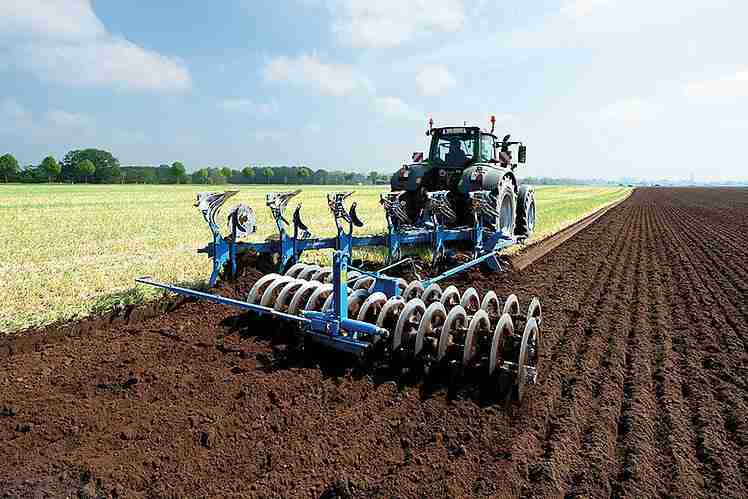
Understanding the Cultivation of Rice: From Soil to Harvest
Rice cultivation begins with a meticulous selection of soil, which serves as the foundation for healthy plant growth. Farmers often choose rich, loamy soils that retain moisture while promoting proper drainage. The journey starts with soil preparation, which may involve tilling and enriching the ground with organic matter or fertilizers to ensure optimal nutrient levels. Once the land is prepped, seeds are sown in a carefully managed water supply, as rice thrives in flooded conditions. This controlled inundation not only aids in nutrient absorption but also helps suppress weeds, creating an ideal environment for rice seedlings to flourish.
As the rice plants grow, meticulous care is required to monitor water levels, pest activity, and the overall health of the crops. Farmers may implement various techniques such as crop rotation and integrated pest management to maintain sustainable practices and enhance yield quality. When the rice grains are ready for harvest—typically between 3 to 6 months after planting—workers gather the ripened stalks and utilize tools ranging from simple sickles to sophisticated machinery. The harvested rice undergoes a series of processes, including drying, milling, and packaging, before it finally reaches your plate. This journey from paddy to plate involves not only hard work and dedication but also a deep understanding of nature’s cycles.
The Role of Milling Techniques in Enhancing Grain Quality
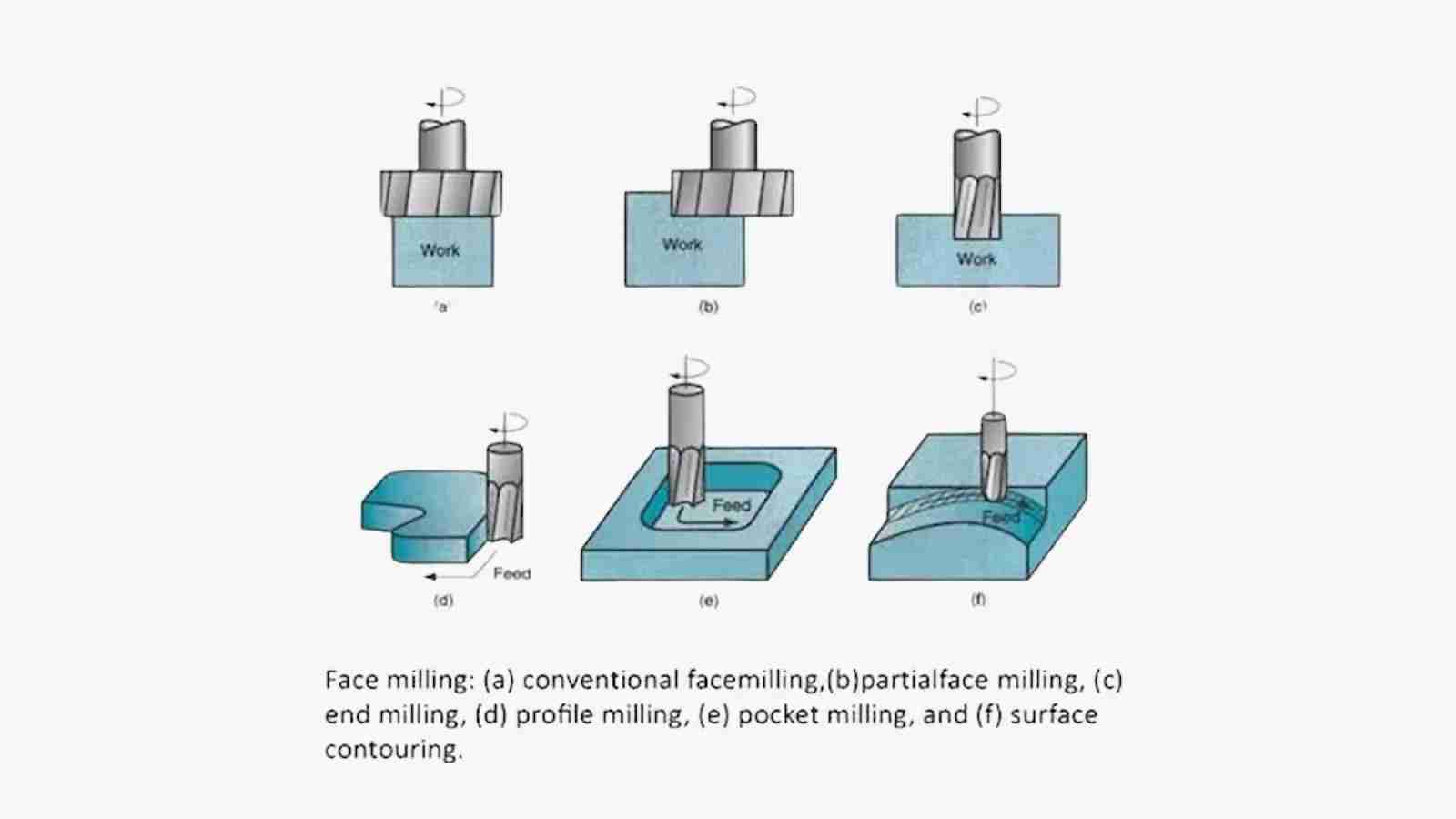
Milling techniques are foundational to transforming harvested rice into high-quality products that delight consumers. From the moment the grains leave the farm, they undergo various processes aimed at enhancing their quality. Modern milling systems incorporate a series of mechanical methods designed not only to remove the husk but also to polish the grain while preserving its essential nutrients. The precision of these techniques ensures that each grain maintains its integrity, leading to textures and flavors that consumers have come to expect. Some key milling methods include:
- Dehulling: Removes the hard outer layer without damaging the inner kernel.
- Polishing: Enhances appearance, giving grains a glossy finish while removing any remaining bran layers.
- Air Classification: Separates broken grains from whole grains to ensure uniformity in size and shape.
The impact of these advanced milling processes on grain quality cannot be overstated, as they directly influence both nutritional value and cooking qualities. Considerable attention must be paid to the milling equipment and techniques employed, as variations can significantly affect the end product. For instance, variations in moisture content during milling can lead to undesirable outcomes, such as increased breakage rates or loss of essential nutrients. Understanding the relationship between milling methods and quality outcomes can help producers select the most suitable practices for maximizing their rice’s appeal.
| Milling Technique | Impact on Grain Quality |
|---|---|
| Dehulling | Minimizes broken kernels; enhances visual appeal. |
| Polishing | Improves texture; increases shelf life. |
| Air Classification | Ensures uniform grain size; improves cooking performance. |
Exploring Sustainable Practices in Rice Processing
As the global demand for rice continues to rise, becomes essential. Eco-friendly methods not only promote environmental health but also enhance the quality and nutritional value of rice. By employing practices such as organic farming, water conservation, and renewable energy sources, rice processors can significantly reduce their carbon footprint. A few key sustainable approaches include:
- Crop Rotation: Aiding soil fertility and pest control.
- Water Management: Implementing irrigation techniques that minimize water wastage.
- Waste Reduction: Utilizing rice husk and straw as biomass energy sources.
Additionally, adopting modern technology can streamline processes while ensuring sustainability. The integration of solar drying systems and efficiency-enhancing machinery can lessen energy consumption and improve product quality. To further illustrate the impact of sustainable practices, the following table highlights the benefits of these methods in rice processing:
| Practice | Benefit |
|---|---|
| Organic Farming | Promotes biodiversity and soil health. |
| Waste Utilization | Generates energy and minimizes landfill use. |
| Water-Saving Techniques | Conserves resources and enhances crop resilience. |
The Importance of Packaging and Distribution in Rice’s Journey to Consumers
The journey of rice from the paddy field to the consumer’s plate relies heavily on effective packaging and distribution. Packaging serves multiple purposes: it safeguards the rice during transport, extends its shelf-life, and provides essential information to consumers. Packages made from durable materials can prevent breakage and moisture contamination, which are critical to retaining the quality of the rice. Furthermore, attractive designs and clear labeling can enhance consumer appeal and foster brand loyalty. For instance, eco-friendly packaging options are emerging as a popular choice, aligning with the increasing consumer demand for sustainability.
Meanwhile, distribution logistics play a pivotal role in ensuring that rice reaches local and international markets without compromising quality. Efficient supply chain management encompasses several crucial elements, including:
- Transportation: Choosing the right mode of transport, whether by land, sea, or air, is essential to maintaining the freshness of rice.
- Warehousing: Properly maintained storage facilities can mitigate spoilage and contamination, ensuring that rice preserves its nutritional value.
- Inventory Management: Balancing supply and demand helps to minimize waste, ensuring that farmers can profit while providing consumers with affordable prices.
To illustrate the importance of these elements, consider the following comparison between traditional and modern distribution methods:
| Aspect | Traditional Distribution | Modern Distribution |
|---|---|---|
| Transportation Time | Longer | Shorter |
| Quality Control | Limited | Stringent |
| Consumer Engagement | Traditional Focus | Digital & Interactive |
By investing in advanced logistics and sustainable packaging solutions, the rice industry can enhance its operational efficiency, reduce losses, and meet the evolving preferences of health-conscious consumers. This transformation ultimately ensures that rice not only remains a staple in many diets but also adapts to modern consumer expectations.
Wrapping Up
As we conclude our exploration of the journey from farm to table in the world of rice processing, it’s evident that this staple grain embodies a remarkable transformation. From the lush fields where it is nurtured by soil, sun, and water, to the meticulous processes that refine it for our kitchens, rice is a testament to the synergy between nature and human ingenuity. Each grain carries with it the stories of farmers, harvesters, and processors, all working harmoniously to bring nourishment to our tables.
Understanding this journey not only enhances our appreciation of rice but also reminds us of the intricate web connecting agriculture, technology, and culinary tradition. As you savor your next bowl of rice, take a moment to reflect on the dedication and craftsmanship involved in its journey. It’s not merely a side dish; it’s a culmination of efforts that span land and labor, yielding a product cherished in homes and cultures worldwide. So, the next time you partake in this global staple, you’ll recognize it as more than just food—it is a story of resilience, sustainability, and the timeless bond between humanity and the earth.




