
In a world increasingly driven by the dual imperatives of sustainability and productivity, the agricultural sector stands at the forefront of innovation. Among staple crops, rice holds a pivotal position, feeding more than half of the global population. Yet, the journey from paddy field to plate is fraught with challenges, particularly in the realm of processing. As demand rises and resources dwindle, the need for efficient, cost-effective rice processing solutions has never been more urgent. This article delves into the latest advancements in rice processing equipment—innovations that not only enhance productivity but also align with environmental sustainability goals. By exploring cutting-edge technologies and practices, we aim to illuminate the path towards a more efficient future in rice processing, where every grain counts. Join us as we uncover how these pioneering solutions are empowering farmers, processors, and consumers alike, revolutionizing an age-old industry in the process.
Harnessing Advanced Technology for Enhanced Rice Processing
As the demand for high-quality rice increases, leveraging advanced technology becomes key in elevating processing standards. Innovations such as AI-driven sorting machines, which utilize computer vision and deep learning algorithms, can identify and isolate grains with impurities or defects at extraordinary speeds. Additionally, smart moisture control systems allow millers to monitor humidity levels in real-time, ensuring optimal drying processes that not only preserve grain quality but also minimize waste. Other breakthroughs include automated packaging solutions that enhance efficiency by reducing human error and increasing throughput.
Investing in state-of-the-art rice processing equipment brings a multitude of benefits that resonate throughout the supply chain. By integrating advanced machines, producers can benefit from:
- Improved quality: Enhanced precision leads to superior end products.
- Increased productivity: Automation reduces labor costs and processing time.
- Sustainable practices: Technology minimizes energy consumption and waste.
The chart below summarizes how different technologies can impact rice processing:
| Technology | Impact on Processing |
|---|---|
| AI Sorting Machines | Speed and accuracy in identifying defects. |
| Moisture Control Systems | Ensures optimal grain drying to prevent spoilage. |
| Automated Packaging | Enhances throughput and reduces waste. |

Sustainable Practices in Rice Equipment Design
In the pursuit of more responsible agriculture, the design of rice processing equipment is evolving to prioritize sustainability without sacrificing performance. Innovative manufacturers are integrating eco-friendly materials and energy-efficient technologies into their designs, which not only reduces the environmental footprint but also enhances the longevity of the equipment. Key elements of sustainable equipment design include:
- Recyclable Components: Using materials that can be easily recycled at the end of their lifecycle.
- Modular Designs: Allowing easy upgrades and repairs to extend the equipment’s usability.
- Energy Efficiency: Incorporating advanced motors and smart controls to minimize energy consumption.
Moreover, manufacturers are increasingly focusing on waste reduction and the reuse of by-products during the rice milling process. By investing in innovations that convert waste into valuable resources, such as converting rice husks into biofuel or organic fertilizer, they are creating a closed-loop system that benefits both the environment and the economy. To exemplify these advancements, consider the following table highlighting emerging technologies that significantly improve sustainability in rice processing:
| Technology | Description | Benefit |
|---|---|---|
| Bioenergy Systems | Utilizes rice husks for energy production | Reduces waste and promotes energy independence |
| Water Recycling Units | Reclaims water used in milling | Conserves water resources |
| Smart Sensors | Monitors equipment efficiency in real-time | Enhances operational efficiency and maintenance |
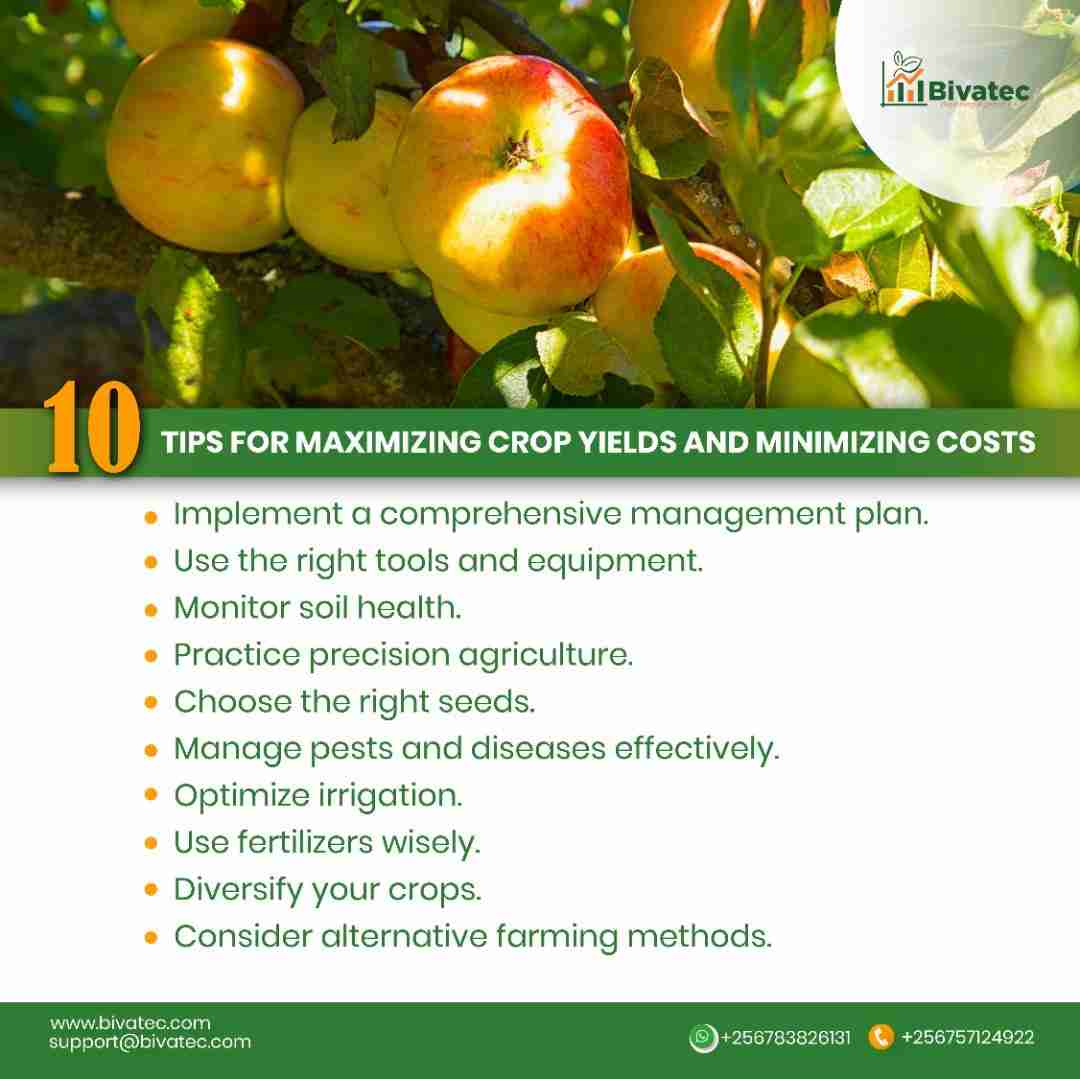
Maximizing Yield through Smart Automation Solutions
In the quest to enhance productivity and boost overall yield in rice processing, the integration of smart automation solutions has emerged as a game-changer. These innovations streamline critical operations by employing advanced technology to reduce human error and optimize resource usage. With features like real-time monitoring, predictive analytics, and automated control systems, processors can effortlessly adjust processes to meet fluctuating market demands while maintaining consistent quality. The result is a more agile production cycle that can respond instantly to variations in supply chain dynamics.
Additionally, modern rice processing equipment can harness the power of IoT (Internet of Things) to create interconnected systems that facilitate seamless data sharing across the production floor. This interconnectedness allows for the collection of valuable insights, leading to continuous improvement in operations. Key benefits of employing these technologies include:
- Reduced labor costs through mechanization of repetitive tasks.
- Increased processing speed without compromising quality.
- Enhanced product traceability from field to consumer.
To illustrate the impact of these smart solutions, consider the table below, which highlights the comparative efficiency metrics of traditional versus automated rice processing systems:
| Metric | Traditional System | Automated System |
|---|---|---|
| Processing Time (hrs per ton) | 10 | 6 |
| Labor Requirement (workers) | 8 | 3 |
| Product Quality Consistency (%) | 75 | 95 |
Cost-Effective Innovations for Smallholder Farmers
In the ever-evolving world of agriculture, cost-effective innovations have emerged as powerful tools for smallholder farmers, particularly in the realm of rice processing. With growing concerns over labor costs and productivity, several groundbreaking developments have taken center stage. These include solar-powered huskers that significantly reduce energy expenses, manual dehuskers that enhance efficiency while being easy to operate, and multi-functional threshers that streamline the overall processing workflow. By leveraging locally sourced materials and affordable technologies, these innovations not only promote sustainability but also empower farmers to maximize their output and improve their livelihoods.
Furthermore, innovative financing models have made it easier for smallholders to access these advanced tools without a significant financial burden. Groups of farmers can come together to invest in community-based processing centers, which utilize state-of-the-art equipment while sharing costs and benefits. To illustrate the impact of these innovations, consider the table below, which highlights the key features and benefits of various rice processing equipment available to smallholder farmers:
| Equipment Type | Key Features | Benefits |
|---|---|---|
| Solar-Powered Husker | Requires no electricity, eco-friendly | Reduces operational costs, increases accessibility |
| Manual Dehusker | Lightweight, easy to use | Low investment, adaptable for small scale |
| Multi-Functional Thresher | Handles multiple tasks (threshing, winnowing) | Improves efficiency, saves time and labor |
This amalgamation of innovation and cooperation positions smallholder farmers at the forefront of agricultural advancement, allowing them to navigate challenges with confidence and creativity. In a landscape where every penny counts, innovative rice processing solutions offer a pathway toward enhanced productivity and profitability.
Wrapping Up
In an age where sustainability and efficiency reign supreme, the innovations in rice processing equipment stand as a testament to the power of technology in agriculture. As we’ve explored, these advancements not only enhance productivity but also contribute to a more sustainable future for one of the world’s most essential grains. By embracing these state-of-the-art solutions, rice producers can navigate the challenges of modern farming while supporting food security on a global scale.
The journey towards improved efficiency doesn’t end here. As new technologies and methodologies continue to emerge, staying informed and adaptable will be key for rice producers looking to harness the full potential of their craft. In the grand tapestry of food production, innovations in rice processing equipment weave a promising thread—one that intertwines tradition with progress, ensuring that the humble grain continues to nourish generations to come.
As we look forward, let us celebrate the ingenuity within the rice industry and remain committed to empowering efficiency that respects both our agricultural heritage and the environment. The future of rice processing is bright; together, we can cultivate a landscape where innovation flourishes, and every grain counts.




