
In the intricate dance between tradition and innovation, the realm of rice milling has carved out a niche that exemplifies efficiency and precision. As one of the world’s staple foods, rice demands a processing method that honors its heritage while embracing the advancements of modern technology. Welcome to the world of rice milling machines—remarkable devices that transform raw grains into gleaming, polished products ready for culinary use. This article unravels the art and science behind these machines, exploring their mechanisms, the variety of designs available, and the vital role they play in ensuring quality and sustainability in rice production. Join us as we delve into the multifaceted universe of rice milling, where age-old practices meet cutting-edge engineering, creating a symphony of efficiency that reverberates through kitchens and markets alike.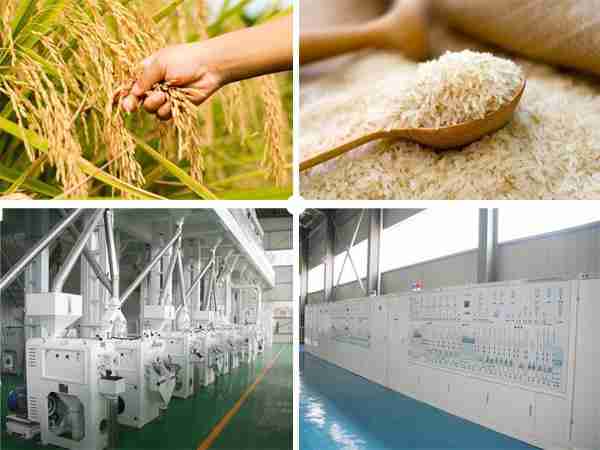
Understanding the Rice Milling Process and Its Importance
The milling process is a vital step in transforming paddy into polished rice, a staple for billions around the globe. This multifaceted procedure involves several stages, each contributing to the quality of the final product. From the initial husking to the final polishing, the right machinery ensures consistency and efficiency, allowing producers to meet the rising demands of consumers. Key stages of rice milling include:
- Pre-cleaning: Removing impurities present in the raw paddy.
- Husking: Removing the outer husk to expose the brown rice.
- Milling: Further refining the brown rice to produce white rice.
- Polishing: Enhancing the appearance and shelf-life of the rice.
Understanding each of these stages helps in appreciating the sophistication of rice milling machines, which are designed for optimal performance. Efficiency in milling not only impacts the quality of rice but directly influences the economics of rice production, thereby supporting livelihoods and food security in rice-dependent communities. Comparative analysis of different milling techniques reveals their respective advantages, as outlined in the table below:
| Milling Technique | Efficiency | Quality of Rice |
|---|---|---|
| Traditional Hand Milling | Low | Variable |
| Modern Automated Milling | High | Consistent |
| Post-Harvest Processing | Moderate | Good |
These insights underline the significance of machinery in enhancing productivity while ensuring high-quality rice production. The right equipment not only streamlines milling operations but also helps in maintaining the nutritional value and taste of rice, making it a crucial component in the agricultural supply chain.
Exploring the Various Types of Rice Milling Machines
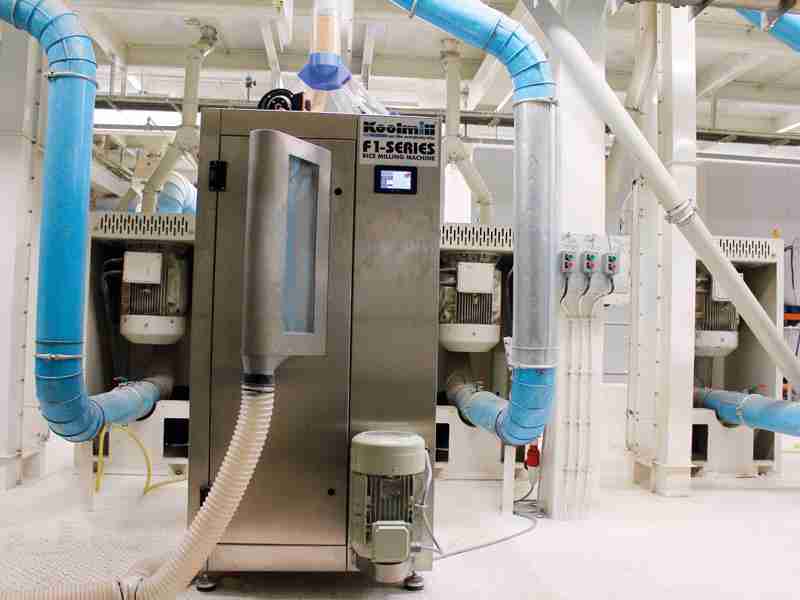
Rice milling machines are essential players in the agricultural landscape, transforming raw paddy into the polished grains that adorn tables worldwide. These machines come in variants tailored to specific agricultural needs and scales of production. Among the most common types are traditional milling machines, which typically require manual labor and are better suited for small-scale farmers. These machines are often compact and cost-effective, making them accessible to those just starting in rice production. On the other hand, modern milling systems harness advanced technology to streamline the process, reducing waste and improving output efficiency. These machines may include integrated features such as automated sorting, drying, and packaging, catering to large-scale operations aiming for higher profitability.
Another category worth noting is the multi-functional milling machine. These versatile units combine several operations into one, such as husking, milling, and polishing, significantly saving time and labor for users. Additionally, the emergence of solar-powered rice milling machines showcases innovation in sustainable practices, utilizing renewable energy sources to reduce operational costs and environmental impact. Furthermore, manufacturers offer customized machinery based on specific needs, providing tailored solutions that can accommodate different rice varieties and local market demands. Understanding the myriad of options available empowers producers to choose the most suitable rice milling machines for their operations, enhancing overall productivity and quality.
| Type of Rice Milling Machine | Features | Best Suited For |
|---|---|---|
| Traditional Milling Machine | Manual operation, compact | Small-scale farmers |
| Modern Milling System | Automated, high output | Large-scale operations |
| Multi-functional Machine | Combines processes, efficient | Versatile needs |
| Solar-powered Machine | Eco-friendly, cost-effective | Sustainability-focused operations |

Key Features to Consider for Optimal Performance
When selecting a rice milling machine, several factors play a crucial role in ensuring maximum efficiency and performance. Capacity is one of the primary considerations; it’s vital to choose a machine that aligns with your production needs. Machines come with varying output specifications, often measured in tons per hour. Therefore, determining your daily production goals will help identify the appropriate capacity. Power consumption also deserves attention, as it directly impacts operational costs. Opt for models that offer energy-saving features while maintaining high output levels, ensuring a balance between performance and sustainability.
Another key aspect to evaluate is the technology employed in the machine. Advanced milling machines incorporate features such as automatic sensors, which enhance precision and reduce manual intervention. Look for technology that allows for customizable milling settings, enabling you to adjust the milling process based on different rice varieties. Durability is equally important; investing in high-quality materials will significantly extend the machine’s lifespan. Furthermore, a well-designed user interface can streamline operations and maintenance, minimizing downtime. Below is a comparison of some popular rice milling technologies:
| Technology Type | Advantages | Disadvantages |
|---|---|---|
| Traditional Milling | Cost-effective, easy to operate | Labor-intensive, less efficient |
| Modern Automated Milling | High efficiency, minimal labor | Higher initial investment |
| Hybrid Systems | Flexibility in processing | Complex maintenance |
Maintenance Tips for Maximizing Efficiency and Longevity
To ensure the rice milling machines operate at their peak performance, regular maintenance is essential. One fundamental practice is to clean the machinery after each use. Residual rice husks and dust can cause blockages and lead to inefficiencies over time. Additionally, keep an eye on crucial components such as the milling chamber and screens. Accumulation of debris can result in reduced output and higher energy consumption. Maintaining a routine cleaning schedule will not only improve productivity but also extend the life of the equipment.
Regularly inspecting and lubricating moving parts is another vital aspect of machine upkeep. This step minimizes friction and wear, leading to smoother operation. It’s advisable to refer to the manufacturer’s guidelines for recommended lubricants and intervals for application. Furthermore, training operators to identify signs of wear and tear can further enhance maintenance efficiency. Below is a simple table summarizing key maintenance actions and their recommended frequency:
| Maintenance Action | Frequency |
|---|---|
| Clean milling chamber | After each use |
| Inspect belts and pulleys | Weekly |
| Lubricate moving parts | Monthly |
| Deep clean all components | Quarterly |
Closing Remarks
the journey through the intricate world of rice milling machines reveals not only a marvel of engineering but also the profound impact these machines have on agriculture and food production. As we’ve explored, the efficiency gained from these modern marvels is a testament to human ingenuity, meeting the ever-increasing demand for quality rice while minimizing waste and maximizing yield.
As the rice industry continues to evolve, we are reminded that the art of milling is both a science and a craft, steeped in tradition yet bolstered by innovation. The ongoing advancements in technology and design promise to further enhance the efficiency and sustainability of rice processing, ensuring that this staple food remains accessible to people around the globe.
As we move forward, embracing these innovations will be essential in addressing the challenges of food security and environmental sustainability. The rice milling machine stands not just as a tool of production but as a symbol of progress, embodying the harmony between tradition and modernity in agriculture. In this ever-evolving landscape, let us celebrate the art of rice milling—not merely as a process but as a vital link in our global food chain.




