
In a world increasingly driven by innovation and efficiency, the humble rice grain stands as a testament to agricultural resilience and culinary versatility. Yet, behind the scenes of every beautifully plated rice dish lies a critical process that transforms paddy into the polished grains we know and love. Enter the commercial rice milling machine—an unsung hero in the agricultural sector. These machines not only streamline the milling process but also unlock the full potential of rice production, enabling farmers and businesses to maximize yields while minimizing waste. In this article, we delve into the transformative role of commercial rice milling machines, exploring how they enhance productivity, improve quality, and ultimately contribute to food security worldwide. Join us as we uncover the intricate interplay between technology and tradition in the quest to serve one of humanity’s staple foods more efficiently.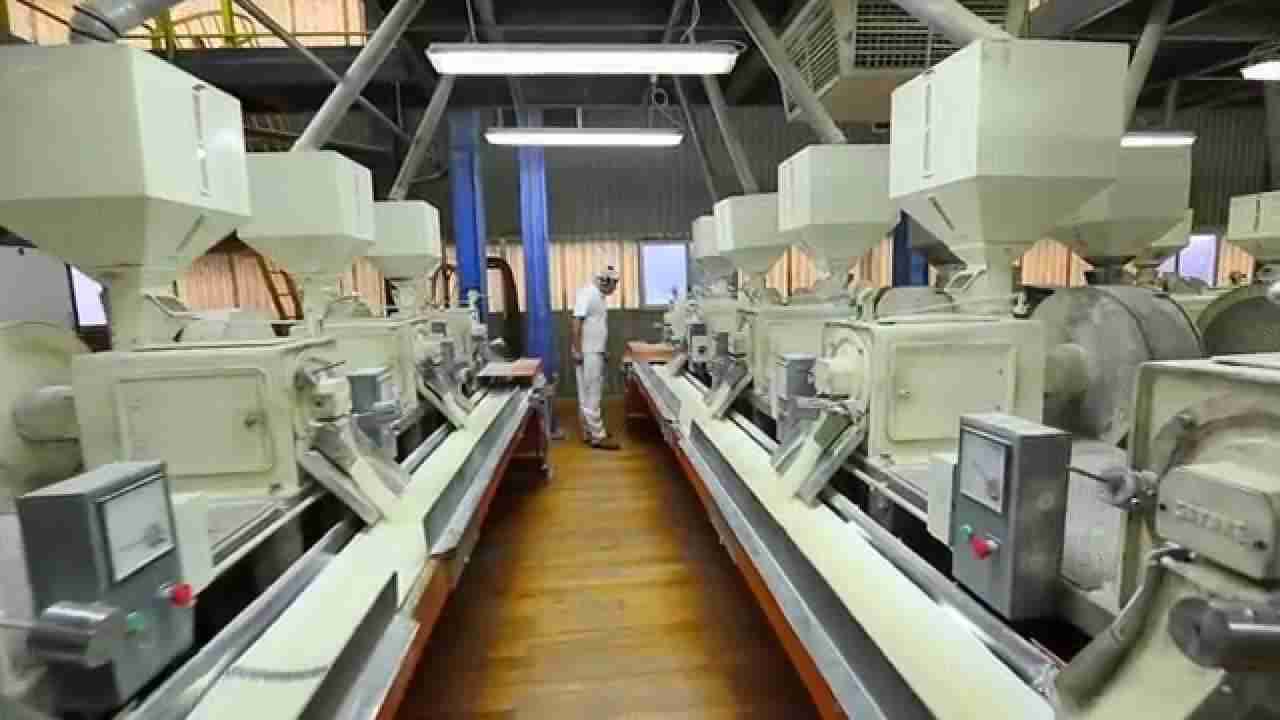
Exploring the Advancements in Rice Milling Technology
The evolution of rice milling technology has transformed the agricultural landscape, facilitating significant improvements in efficiency and output. Modern commercial rice milling machines are equipped with advanced features that not only enhance productivity but also ensure superior quality through precision engineering. Key advancements include:
- Automated Systems: Integration of automation allows for the reduction of manual labor while increasing throughput.
- Energy Efficiency: Latest models consume less energy, resulting in lower operational costs and a minimized carbon footprint.
- Quality Control Mechanisms: Built-in sensors and technology improve grain quality by reducing broken rice and maximizing head rice yield.
In addition to physical machinery advancements, software innovations have streamlined operations. Advanced milling control software helps monitor and adjust milling parameters in real-time, ensuring consistent quality. Furthermore, the advent of IoT technology enables mill operators to access performance data remotely, paving the way for predictive maintenance. To illustrate the impact of these innovations, the following table highlights key performance indicators of traditional vs. modern milling systems:
| Feature | Traditional Milling | Modern Milling |
|---|---|---|
| Labor Intensity | High | Low |
| Energy Consumption | High | Lower |
| Quality Consistency | Varies | High |
| Data Monitoring | Manual | Automated |
Enhancing Efficiency through Automated Processes
In the competitive landscape of rice production, leveraging technology has become a cornerstone for success. Automated processes in commercial rice milling not only streamline operations but also significantly reduce the margin of error associated with manual tasks. By integrating sophisticated machinery designed to handle various stages of rice milling, businesses can experience a transformative impact on their workflow. Key benefits of automation include:
- Increased Precision: Advanced milling machines ensure uniformity in grain processing, enhancing the overall quality of the end product.
- Time Savings: Automated systems operate at a rapid pace, allowing for greater throughput and quicker turnaround times between batches.
- Reduced Labor Costs: With machines handling repetitive tasks, fewer personnel are needed, cutting down on overhead expenses.
- Enhanced Scalability: Businesses can easily scale their operations by adding automated equipment to accommodate increased demand.
Moreover, the integration of automated processes garners more than just operational benefits; it fosters a culture of innovation within organizations. As businesses adopt state-of-the-art rice milling machines, they gain access to real-time data analytics that inform decision-making and optimize production strategies. Through this approach, each stage of rice milling—from husking to polishing—is fine-tuned for maximum efficiency. Here’s a brief comparison of traditional vs. automated milling processes:
| Criteria | Traditional Milling | Automated Milling |
|---|---|---|
| Labor Intensity | High | Low |
| Processing Speed | Slow | Fast |
| Error Rate | Higher | Lower |
| Quality Control | Variable | Consistent |
This side-by-side comparison illustrates how automated milling machines not only optimize production but also contribute significantly to maintaining high-quality standards in rice processing.

Sustainability and Quality: The Impact of Modern Milling Machines
Modern milling machines are at the forefront of increasing both sustainability and quality in the rice production industry. By incorporating advanced technology and energy-efficient designs, these machines significantly reduce waste and improve the overall output of milling operations. This is chiefly achieved through features such as:
- Precision milling: Enhanced accuracy in milling ensures maximum yield from each grain without excessive grain loss.
- Automated systems: Automation minimizes human error and labor costs, while boosting productivity and consistency.
- Eco-friendly materials: Many modern machines are made from recyclable materials, aligning the industry with sustainable practices.
Additionally, the quality of the rice produced is profoundly impacted by the modernization of milling technology. By maintaining optimal processing conditions, modern milling machines preserve not only the physical characteristics of rice but also its nutritional value. Factors influencing this quality include:
| Quality Factor | Impact |
|---|---|
| Texture | Enhanced milling reduces breakage, leading to stronger, whole grains. |
| Flavor | Minimizing overheating respects the natural flavor profiles and aromas. |
| Nutritional Value | Precision processing retains essential vitamins and minerals in the rice. |
By focusing on these critical factors, the rice milling industry can not only unlock the potential for higher production efficiency but also foster a more sustainable future. Increasing awareness and investment in these technologies signifies a transition towards better quality products that contribute to a healthier ecosystem.
Investing in the Future: Selecting the Right Equipment for Your Business
Choosing the right equipment for a rice milling business can significantly impact your operational efficiency and profitability. Commercial rice milling machines come equipped with advanced functionalities that streamline the milling process, yielding higher quality rice while minimizing waste. The decision-making process should consider key factors, including:
- Capacity: Assess the volume of rice you plan to process to ensure the machine can meet your production demands.
- Technology: Look for innovations in milling technology, such as digital interfaces or automated systems that enhance precision.
- Energy Efficiency: Opt for machines that consume less energy, contributing not only to cost savings but also to sustainability efforts.
Moreover, it is crucial to evaluate the total cost of ownership, which extends beyond the initial purchase price. This encompasses maintenance costs, availability of spare parts, and the expected lifespan of the machinery. Creating a comparison table can help you visualize these aspects effectively:
| Machine Model | Capacity (kg/h) | Energy Consumption (kW/h) | Maintenance Frequency (months) |
|---|---|---|---|
| Model A | 1000 | 50 | 6 |
| Model B | 1500 | 45 | 8 |
| Model C | 2000 | 60 | 5 |
Thorough research and thoughtful evaluation of these variables will aid in selecting a milling machine that aligns perfectly with your business goals, ensuring you remain competitive in the ever-evolving rice market.
To Conclude
As we draw the curtain on our exploration of “Unlocking Potential: The Role of Commercial Rice Milling Machines,” it becomes clear that these machines are more than mere tools; they are catalysts for transformation within the agricultural landscape. By bridging the gap between traditional farming practices and modern efficiency, commercial rice milling machines empower farmers to maximize their yield and enhance the quality of their products.
The journey from paddy to polished rice is a testament to innovation, sustainability, and economic growth. As the global demand for high-quality rice continues to rise, these machines stand at the forefront, enabling producers to meet market needs while improving livelihoods and fostering food security.
In a world where every grain counts, the sophistication of commercial rice milling machines unlocks the potential not just of rice, but of entire communities reliant on this staple crop. As we move forward, embracing technology in agriculture promises to be a crucial step towards a more sustainable and prosperous future. The potential is indeed vast, and the machines that unlock it are just beginning to reveal their full power.




