
In the serene fields of Asia, a silent revolution is taking place, changing the way rice is processed and consumed around the world. Industrial milling machines have transformed the traditional method of rice processing, bringing efficiency and precision to an age-old practice. Join us as we explore the fascinating world of rice processing and the role that these machines play in shaping the future of this staple grain.
The Evolution of Rice Processing: From Traditional Methods to Industrial Milling Machines
The evolution of rice processing has seen a remarkable shift from traditional methods to the use of cutting-edge industrial milling machines. These machines have revolutionized the way rice is processed, making the entire process more efficient and cost-effective. With the introduction of industrial milling machines, rice production has significantly increased, meeting the growing demand for this staple food worldwide.
Industrial milling machines utilize advanced technology to efficiently remove the husk and bran layers from the rice grain, resulting in higher-quality polished rice. These machines are equipped with precision sensors and automation features that ensure consistent results with minimal manual intervention. In addition, industrial milling machines have the capacity to process large quantities of rice in a shorter amount of time, making them an essential tool for modern rice processing facilities.
Increasing Efficiency and Quality through Industrial Milling Machines
Experience the cutting-edge technology of industrial milling machines that are revolutionizing the rice processing industry. These machines are designed to increase efficiency and quality in the production process, allowing for faster and more precise milling of rice grains. With advanced features such as automated settings and precision controls, industrial milling machines can optimize the output of rice milling plants, ensuring a higher quality end product.
One of the key advantages of industrial milling machines is their ability to handle large volumes of rice with minimal wastage. By streamlining the milling process and reducing human error, these machines can significantly increase productivity and decrease production costs. With customizable settings and adaptable configurations, industrial milling machines offer a flexible solution for rice processing plants looking to improve their operations and stay competitive in the market. Embrace the future of rice processing with industrial milling machines, the key to unlocking efficiency and quality in the industry.
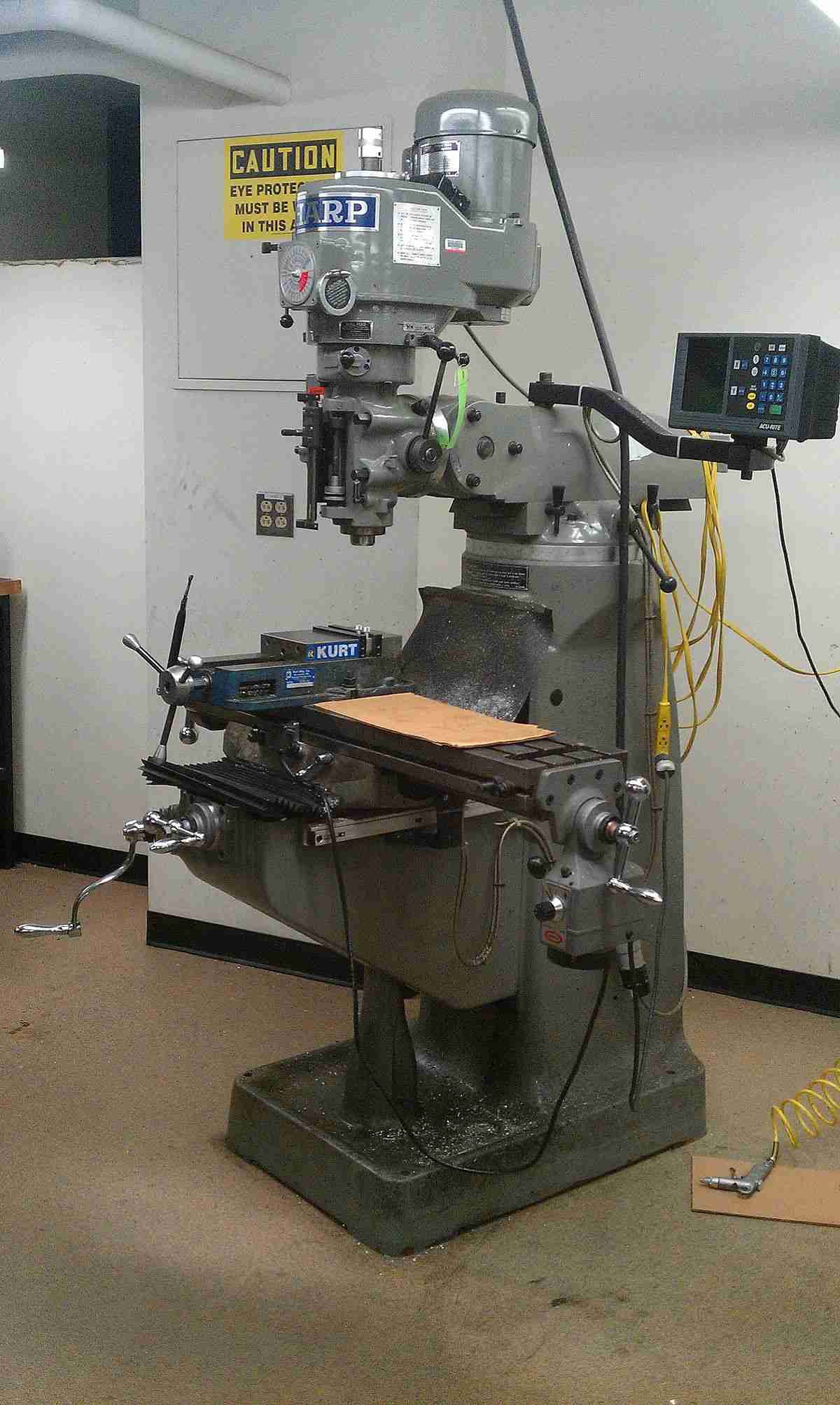
Benefits and Challenges of Adopting Industrial Milling Machines in Rice Processing
Industrial milling machines have completely revolutionized the rice processing industry, offering numerous benefits along with some challenges. One of the primary benefits of adopting these machines is the significant increase in efficiency and productivity. With the ability to process large quantities of rice in a short amount of time, industrial milling machines help rice producers meet the high demand for rice products in the market.
Additionally, industrial milling machines ensure consistency in the quality of the milled rice, leading to higher customer satisfaction and increased profitability for rice producers. Despite these benefits, challenges such as the initial cost of purchasing and setting up the machines, as well as the need for regular maintenance and skilled operators, can pose hurdles for rice processing facilities looking to make the switch to industrial milling machines. However, with proper planning and investment, the long-term advantages of increased efficiency and quality are well worth the initial challenges.
Best Practices for Implementing Industrial Milling Machines in Rice Mills
Introduction
Implementing industrial milling machines in rice mills can significantly improve the efficiency, accuracy, and capacity of the rice processing industry. To ensure the successful integration of these advanced machines, it is essential to follow best practices that have been proven to maximize productivity and minimize downtime. In this article, we will explore some of the key strategies and recommendations for effectively incorporating industrial milling machines in rice mills.
Optimize Machine Placement
One of the first steps in implementing industrial milling machines in rice mills is to carefully consider the placement of the equipment. Optimal machine placement can help streamline the flow of rice processing, reduce bottlenecks, and improve overall productivity. It is essential to place the machines in a logical sequence that allows for efficient movement of rice from one process to the next. Consider factors such as proximity to storage silos, access to raw materials, and ease of maintenance when determining the ideal placement of industrial milling machines in your rice mill.
Concluding Remarks
As we’ve seen, the evolution of rice processing from traditional methods to industrial milling machines has revolutionized the industry in countless ways. With increased efficiency, higher yields, and improved quality control, these machines have changed the game for rice producers around the world. The future of rice processing is undoubtedly bright as technology continues to advance and new innovations are developed. Whether you’re a rice farmer or simply a lover of this versatile grain, the impact of industrial milling machines on the way we process rice cannot be understated. Here’s to a future filled with even greater advancements in rice processing technology!




