
In the vast tapestry of global agriculture, rice stands as a staple woven into the diets and cultures of billions. As the world grapples with increasing population pressures and the urgent need for sustainable food production, the methods of cultivating and processing this vital grain are evolving. Enter the realm of combined milling—a revolutionary approach that promises to streamline rice production from field to fork. This innovative technique not only enhances efficiency but also preserves the nutritional integrity of the rice, ensuring that quality and sustainability go hand in hand. In this article, we will delve into the intricacies of combined milling, exploring its impact on the rice industry and its potential to reshape the future of food security. Join us as we uncover how this advancement could turn the tide in the quest for a more sustainable and productive agricultural landscape.
Innovative Techniques in Combined Milling for Enhanced Efficiency
The integration of advanced technologies in combined milling is transforming rice production with unprecedented efficiency. Recent innovations have introduced multi-function milling machines that enhance processing capabilities while reducing energy consumption. These machines consolidate various milling steps—such as husking, whitening, and polishing—into a single process. By streamlining operations, producers can minimize labor costs and time, leading to a more sustainable production cycle. Some of the standout features of these machines include:
- Automated adjustments: Utilizing sensors and AI to optimize milling parameters in real-time.
- Energy-efficient designs: Implementing eco-friendly technologies that significantly reduce power usage.
- Quality control systems: Integrating advanced monitoring systems to ensure consistent grain quality.
The benefits extend beyond machinery innovation; new techniques in production management are also crucial for maximizing output and minimizing waste. One method gaining popularity is the just-in-time (JIT) milling approach, which focuses on synchronizing milling processes with demand patterns. This technique helps maintain optimal inventory levels and mitigates the risk of spoilage. It often pairs well with data analytics to anticipate market needs, allowing producers to adjust operations accordingly. The different stages of combined milling, from initial harvesting to packaging, can be better aligned through:
| Stage | Optimization Technique | Expected Outcome |
|---|---|---|
| Harvesting | Precision tracking | Reduced spoilage rates |
| Milling | Real-time adjustments | Improved yield and quality |
| Storage | Climate control | Extended shelf life |
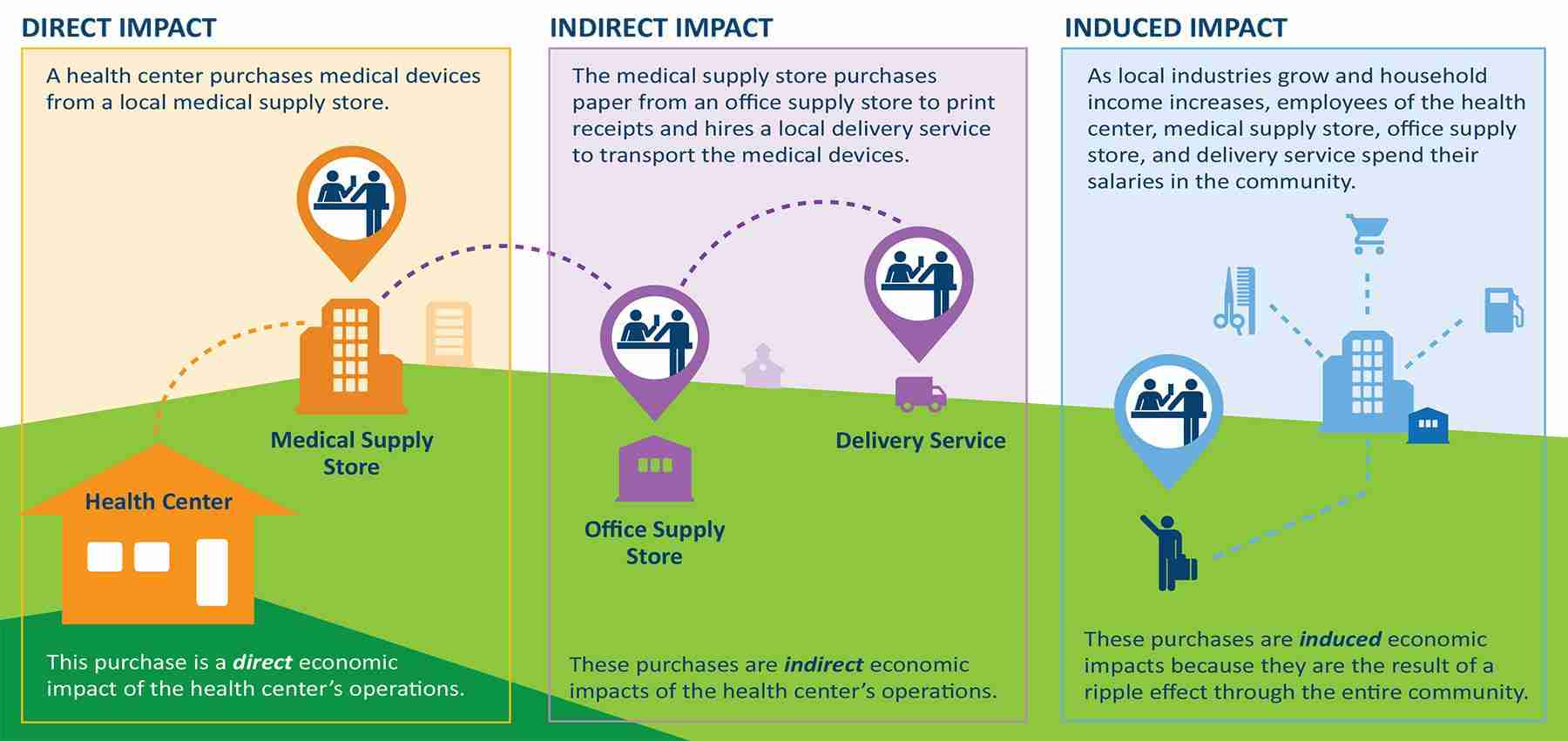
Understanding the Economic Impact of Streamlined Rice Production
Streamlined rice production has ushered in a new era of efficiency and profitability for farmers, significantly transforming local and global economies. By implementing integrated methodologies such as combined milling, producers are reducing processing time and costs, which directly influences their competitive edge in the market. The shift from traditional processing to innovative techniques has enabled rice producers to maximize yield while minimizing waste, ultimately leading to a more sustainable production approach. This revolution is reflected in key benefits, including:
- Cost Reduction: Lower operational expenses through reduced labor and energy requirements.
- Increased Output: Higher quality products produced in less time enhances market accessibility.
- Reduced Environmental Impact: Less waste in milling minimizes environmental footprints.
The economic ripple effects of streamlined rice production extend beyond the farm gate, influencing rural development and food security at large. With improved milling processes, farmers are witnessing a boost in their income, which, in turn, supports community investment. The increased availability of quality rice fosters better nutrition and strengthens food chains, making it a vital element in combating hunger. Furthermore, the economic gains can be depicted in the following table:
| Economic Factor | Impact |
|---|---|
| Farmer Profitability | Increased by 20% on average |
| Community Investment | Higher local spending |
| Food Security | Improved access to nutritious food |
This transformative method not only benefits individual farmers but also contributes positively to the broader economic landscape, showcasing the significant potential of aligned agricultural innovations.

Sustainability in Rice Milling: Balancing Technology and Environmental Concerns
The modern rice milling industry stands at a crossroads, where the integration of advanced technology can facilitate high productivity while addressing pressing environmental issues. One key innovation is the deployment of combined milling systems, which streamline operations by integrating various milling processes into a single, efficient unit. This not only reduces energy consumption but also minimizes the carbon footprint associated with rice production. By embracing machinery that is designed for sustainability, millers can simultaneously boost yield and diminish negative environmental impacts, creating an ecosystem that supports both profitability and ecological health.
Incorporating sustainable practices into rice milling also involves choosing materials and technologies that create less waste and utilize resources responsibly. Important considerations include:
- Energy Efficiency: Implementing energy-efficient machines can significantly cut down on power requirements.
- Water Conservation: Systems that minimize water use through innovative cooling techniques contribute to sustainability.
- Waste Management: Practices that recycle by-products are vital for reducing waste and creating valuable secondary products.
To illustrate the impact of these innovations, consider the following table that highlights the benefits of adopting combined milling systems:
| Benefit | Traditional Milling | Combined Milling |
|---|---|---|
| Energy Consumption | High | Low |
| Water Usage | Moderate | Minimal |
| Waste Production | Significant | Revamped for Recycling |
Balancing technological advancement and environmental stewardship is essential to the future of rice milling. By focusing on sustainability, millers can not only improve their operational efficiency but also contribute to a healthier planet. This pathway ensures that the rice industry can sustain growth and continue to meet global food demands without compromising the ecological integrity of the regions it affects.
Future Trends in Rice Processing: Embracing Automation and Precision
The future of rice processing is increasingly leaning towards advanced technologies that maximize efficiency while minimizing human labor. Automation is set to play a pivotal role in reducing operational bottlenecks and enhancing productivity. Systems that utilize smart sensors and AI algorithms are now capable of monitoring humidity levels, grain quality, and processing times in real-time. This means that mill operators can make data-driven decisions that lead to improved yields and quality control. Additionally, automated sorting and packaging lines are becoming the norm, enabling quicker turnaround times and significantly lowering the risk of human error.
Furthermore, precision farming techniques are revolutionizing the way rice is cultivated and processed. By utilizing drones, satellite imagery, and soil health sensors, farmers can gather critical data about their fields, leading to more informed choices regarding crop management. This integration of technology not only promotes sustainable practices but also aligns with the growing demand for traceability in the food supply chain. As rice processors adopt these innovations, the landscape of rice production will evolve, allowing for a more sustainable, profitable, and efficient processing cycle. Below is a brief overview of key future trends within the industry:
| Trend | Description |
|---|---|
| Smart Automation | Integration of robotics and AI for increased efficiency. |
| Data-Driven Farming | Real-time data analytics for informed decision making. |
| Eco-Friendly Practices | Sustainable methods to reduce environmental impact. |
| Traceability technologies | Use of blockchain for supply chain transparency. |
Wrapping Up
As we stand on the brink of a new era in agricultural efficiency, the revolution of combined milling in rice production offers a glimpse into a future where sustainability and innovation coalesce. This transformative approach not only optimizes the milling process, but also empowers farmers with the tools they need to thrive in an ever-evolving market. As we continue to explore and implement these advancements, it becomes apparent that the journey towards streamlined rice production is not solely about technology; it is also about fostering a deeper connection between the land, the farmer, and the consumer. By embracing these integrated solutions, we can pave the way for a more resilient food system that honors tradition while anticipating the demands of tomorrow. The grains of progress are indeed in our hands—let us sow them wisely.




