
In a world where innovation meets necessity, the agricultural industry stands at the forefront of transformation. Among the staples that nourish billions, rice reigns supreme, serving as a crucial source of sustenance. However, the traditional methods of rice milling have often posed challenges, from inefficiency to high energy consumption. Enter the portable milling solution — a groundbreaking approach that promises to revolutionize rice processing. This article delves into the mechanics and benefits of portable milling technology, exploring how it not only streamlines operations but also empowers farmers, enhances food security, and contributes to sustainable agricultural practices. Join us as we uncover the potential of this mobile marvel that is set to reshape the future of rice production.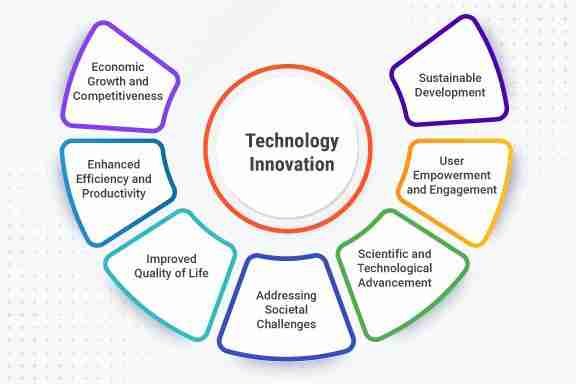
Innovative Technology Transforming Traditional Rice Milling Practices
The agricultural landscape is witnessing a pivotal shift with the advent of portable milling technology, tailored to enhance efficiency in traditional rice processing. These compact solutions are engineered to streamline the grain-to-table process, allowing farmers and small-scale millers to transform raw rice into market-ready products right at their doorstep. Flexibility, ease of use, and cost-effectiveness make these innovations particularly attractive to rural communities, who have long faced challenges related to access and infrastructure. By utilizing state-of-the-art machinery, users can now expect improved quality of milled rice, while reducing waste and lowering energy consumption significantly.
Portable milling units come equipped with advanced features that elevate operational standards. Some of the key benefits include:
- Automated Processes: Reduces labor intensity and human error.
- Integrated Storage Solutions: Simplifies the post-milling handling of rice.
- Energy Efficiency: Uses renewable sources or low-power technology.
- Mobile Capability: Facilitates easy transport to different milling sites.
To better illustrate the advantages of this transformative technology, consider the following table that compares traditional methods with portable milling solutions:
| Feature | Traditional Milling | Portable Milling |
|---|---|---|
| Setup Time | Hours to Days | Minutes |
| Energy Usage | High | Low |
| Operation Scale | Large Scale Only | Small to Medium Scale |
| Product Quality | Variable | Consistent and High-Quality |
This innovation is more than a mere technological advancement; it represents a holistic approach to solving age-old problems in rice milling, fostering a new era where farmers can harness the power of technology to enhance their livelihoods and contribute to food security.

Enhancing Accessibility Through Portable Milling Solutions
In recent years, the evolution of portable milling solutions has opened up a world of possibilities for small-scale farmers and local communities engaged in rice processing. These innovations allow users to easily transport milling equipment directly to the rice fields, drastically reducing the time and energy required to process harvested grains. By eliminating the need for transportation to centralized milling facilities, these solutions not only enhance efficiency but also promote greater self-sufficiency among farmers. Key benefits include:
- Accessibility: Easily reachable for remote farming communities.
- Cost-effectiveness: Reduced transportation and operational costs.
- Quality control: Freshly processed rice with minimal handling.
Moreover, portable milling solutions embody a shift toward sustainable agricultural practices. By lowering carbon emissions associated with transportation and minimizing post-harvest losses, these technologies align with global efforts toward environmental stewardship and food security. They empower farmers to take charge of their production processes, leading to enhanced income opportunities through quality yield. The following table highlights a few notable features of these innovative milling machines:
| Feature | Description |
|---|---|
| Size | Compact and lightweight for easy transportation. |
| Power Source | Can be powered by solar energy or local power grids. |
| Operation | User-friendly interfaces for minimal training required. |
Sustainability in Rice Processing: A Step Towards Eco-Friendly Operations
Incorporating sustainable practices into rice processing is essential for reducing environmental impact while enhancing the efficiency of operations. By adopting portable milling solutions, rice producers can significantly decrease the need for extensive transportation, thus minimizing carbon footprints associated with logistics. This innovative approach not only streamlines operations but also promotes local economies by empowering farmers to process their rice on-site, creating fresher, higher-quality products. Key benefits of this model include:
- Reduced Energy Consumption: Less energy is required for small-scale milling compared to larger, centralized facilities.
- Minimized Waste: Enhanced processing techniques can lead to lower levels of byproducts and more efficient usage of resources.
- Improved Soil Health: By keeping rice processing local, the use of organic waste as fertilizer can be explored, enriching the soil without the need for chemical additives.
Moreover, the integration of innovative technologies, such as solar-powered milling machines, exemplifies how sustainability can be woven into the fabric of traditional agriculture. These technologies not only harness renewable energy but also provide a reliable source of power in remote areas where electricity may be limited. To highlight the impact, consider the following comparison of traditional and portable milling operations:
| Aspect | Traditional Milling | Portable Milling |
|---|---|---|
| Carbon Footprint | High due to transportation | Low with local processing |
| Energy Source | Non-renewable | Renewable options available |
| Economic Impact | Limited to larger entities | Empowers local farmers |
Optimizing Efficiency and Quality with Modern Milling Techniques
Modern milling techniques have transformed rice processing, enabling producers to achieve higher yields while maintaining the grain’s nutritional integrity. By integrating advanced technologies, such as precision milling machinery and automated quality control systems, processors can reduce waste and enhance the overall output. This innovation ensures that the rice remains free from impurities, while delivering a product that meets evolving consumer demands for both taste and health benefits. Key aspects of these modern techniques include:
- Precision Milling: Fine-tunes the grinding and polishing processes to achieve optimal grain quality.
- Energy Efficiency: Utilizes eco-friendly technologies that lower energy consumption throughout the milling process.
- Real-Time Monitoring: Employs sensors that track moisture levels and milling parameters, ensuring consistency in every batch.
The shift towards portable milling solutions further enhances operational flexibility, allowing producers to process rice closer to the source. By eliminating transportation costs and reducing the time between harvest and milling, these solutions streamline the entire workflow. Additionally, portable units are designed to maintain high standards of hygiene and quality control, essential for health-conscious consumers. This adaptability not only boosts local economies but also minimizes the carbon footprint associated with rice processing. the implementation of modern milling techniques showcases the potential for growth and sustainability in the rice industry.
| Feature | Advantages |
|---|---|
| Mobile Processing | Reduces logistics costs and time delays |
| Automated Quality Control | Ensures consistent product quality |
| Energy-Saving Designs | Lower operational costs and environmental impact |
Concluding Remarks
the advent of portable rice milling technology signifies a monumental shift in agricultural practices and rural economies. By bridging the gap between the farmer’s field and the market, these innovative solutions promise to streamline the milling process, reduce post-harvest losses, and enhance the overall quality of rice produced. As we embrace this new era of agricultural efficiency, the potential for increased food security and improved livelihoods for farmers cannot be overstated. With continued advancements and a commitment to sustainability, portable milling solutions hold the key to unlocking the true value of rice, making it a vital player in the global food landscape. As we look to the future, it is clear that revolutionizing rice processing is not just about technology; it’s about empowering communities and fostering a resilient agricultural system that benefits everyone involved.




