
Unveiling the Heart of Agriculture: The Chinese Rice Mill Journey
Nestled amid the rolling fields of golden rice paddies and sweeping landscapes, the journey of the Chinese rice mill is a narrative woven into the very fabric of agriculture. It is a story that transcends mere machinery and embraces the delicate interplay of tradition, innovation, and the relentless pursuit of sustenance. As one of the oldest staples in human history, rice has not only nourished billions but has also shaped economies, cultures, and communities. This article embarks on a journey through the intricate world of rice milling in China, exploring its evolution from time-honored practices to modern techniques that hold the promise of sustainability and efficiency. Join us as we delve into the pulse of this essential industry, uncovering the heart of agriculture that continues to thrive amidst the ever-changing tides of technological advancement and environmental challenges.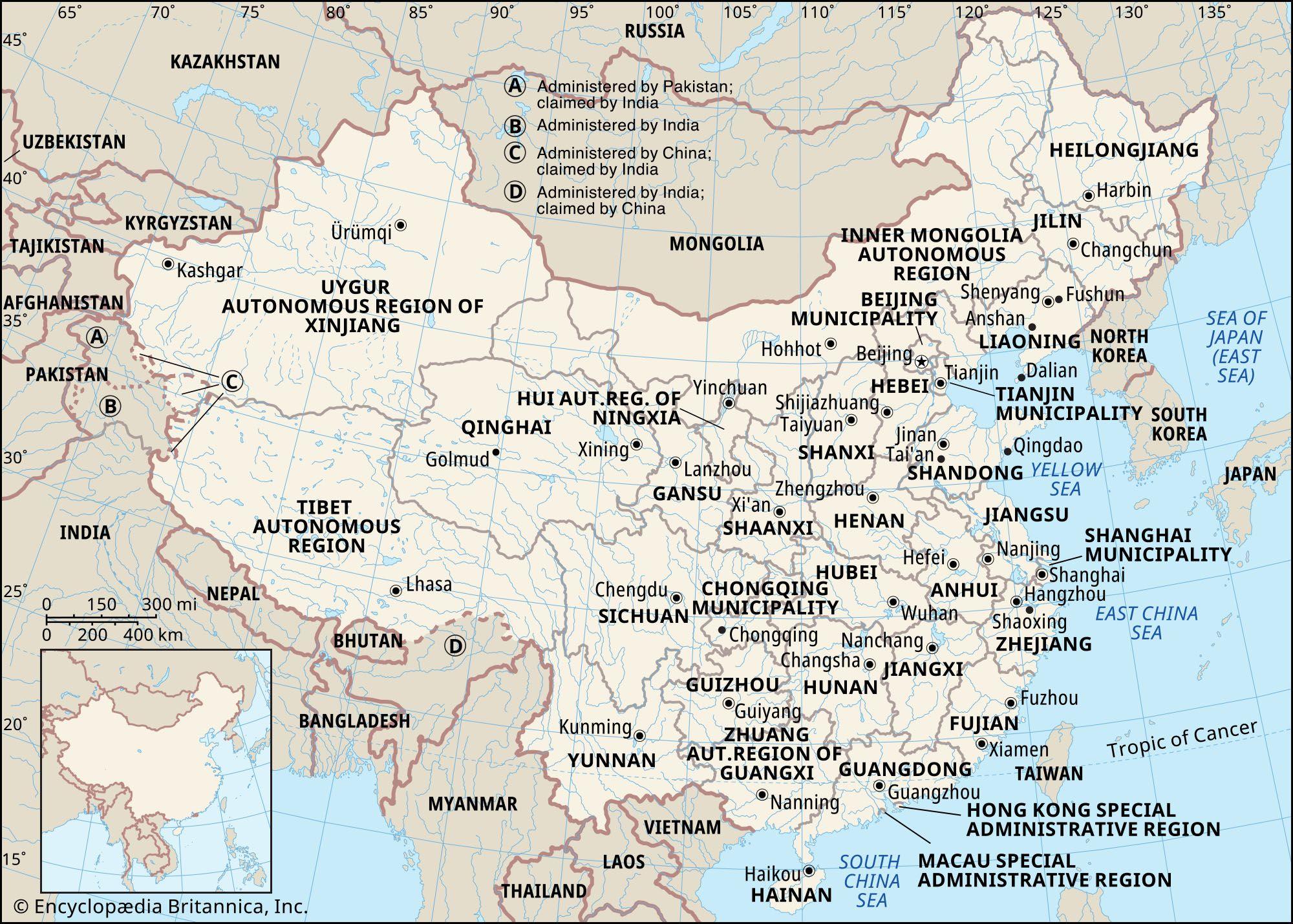
Exploring the Historical Significance of Rice Milling in China
Rice milling in China is more than a process; it represents the heart and soul of one of the world’s oldest agricultural practices. Historically, the transition from manual husking to mechanized milling not only increased efficiency but also marked significant social and economic changes for communities involved in rice production. As villages adopted milling technology, they experienced a surge in productivity that meant farmers could devote less time to manual processing and more to land cultivation, directly impacting food security and local economies. The rice mill evolved from a simple, hand-operated device into a symbol of modernity in rural China, reflecting the intricate relationship between tradition and innovation.
The impact of rice milling can be further understood through its role in shaping regional identities and trade dynamics. In ancient times, rice served not only as a staple food but also as a currency for trade, influencing social hierarchies and power structures within local communities. Communities known for their rice milling prowess often became central trade hubs, exchanging their processed goods for other commodities. Prominent regions, such as the Yangtze River Delta, can be classified by their distinct milling techniques and rice varieties, which add to the kaleidoscope of China’s agrarian landscape. The following table illustrates the historical evolution of rice milling technologies across different dynasties:
| Dynasty | Era | Technological Advancement |
|---|---|---|
| Han | 206 BCE – 220 CE | Introduction of water-powered mills |
| Song | 960 – 1279 | Development of steam-powered milling |
| Qing | 1644 – 1912 | Modernization with industrial machinery |
As rice milling technology progressed, it influenced various dimensions of Chinese life—from culinary practices to labor patterns. Rice milling not only facilitated a more efficient agricultural system but also fostered a sense of community among farmers and millers. Local festivals celebrating the harvest often included rituals centering around the milling process, underscoring its importance in agrarian culture. The collective efforts surrounding rice production symbolize resilience and unity, essential traits in the tapestry that is China’s history.
Innovative Technologies Transforming the Modern Rice Mill
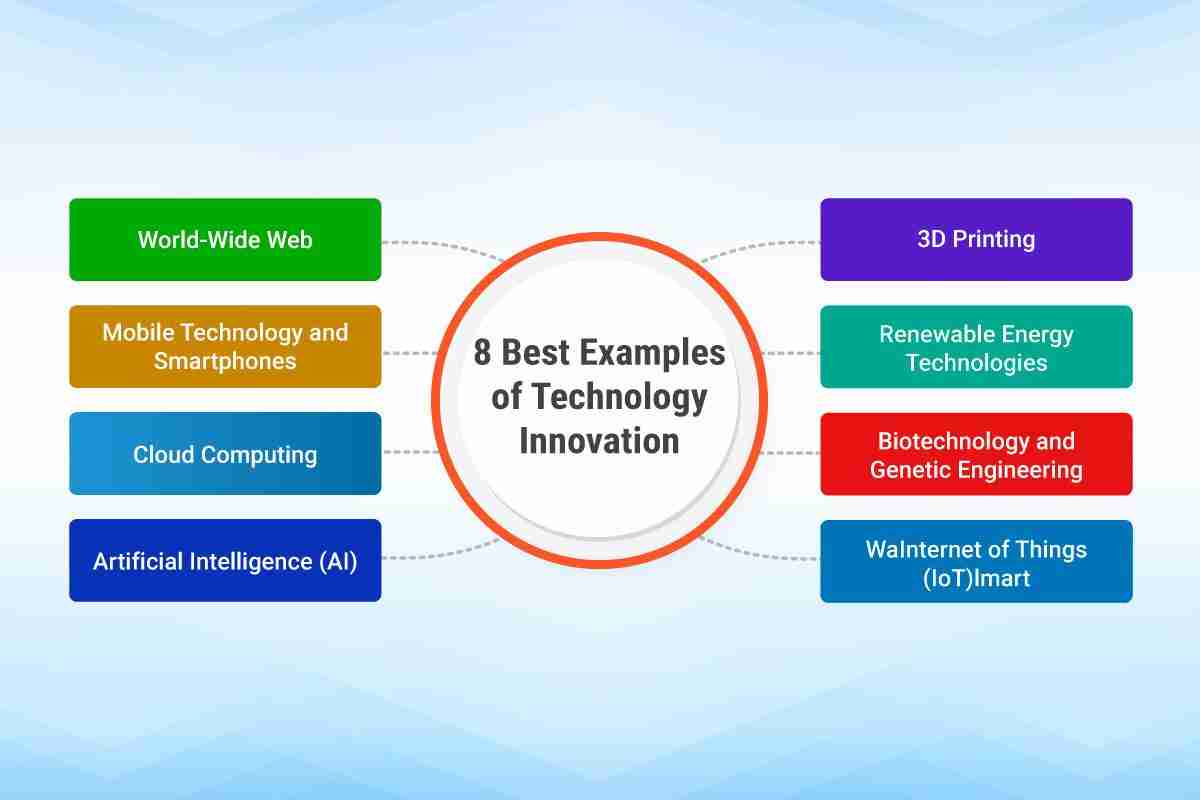
The integration of cutting-edge technologies has revolutionized rice milling processes, enhancing efficiency and quality. Automation and advanced machinery are now at the forefront, allowing mills to operate with minimal human intervention. This shift not only boosts productivity but also reduces labor costs significantly. Some of the key technological advancements include:
- Automated Sorting Systems: Utilizing optical sensors to ensure only the best grains are processed.
- AI-driven Milling Techniques: Optimizing the milling process by adjusting parameters in real-time for maximum yield.
- Data Analytics: Employing data collection tools to monitor operations, identify bottlenecks, and refine processes.
Furthermore, sustainability is becoming increasingly important in rice milling. Innovations aimed at reducing waste and energy consumption are also gaining traction. For instance, technologies that recycle byproducts or convert them into bioenergy not only minimize environmental impact but also provide additional revenue streams. The following table highlights some sustainable practices adopted in modern rice mills:
| Practice | Description |
|---|---|
| Waste Utilization | Converting husk and bran into animal feed or biofuel. |
| Water Management | Implementing closed-loop systems for efficient water use. |
| Solar Energy Installation | Utilizing solar panels to power machinery and reduce electricity costs. |
Sustainable Practices Shaping the Future of Rice Production
As the global demand for rice continues to surge, innovative and sustainable practices are emerging as essential pillars in shaping the future of rice production. Farmers are increasingly adopting approaches that not only enhance productivity but also minimize environmental impact. Techniques such as integrated pest management and crop rotation play a vital role in maintaining soil health and reducing dependency on chemical fertilizers. Furthermore, water-saving methods like Alternate Wetting and Drying (AWD) are now being implemented, resulting in significant reductions in water usage without compromising yields.
The integration of technology in these sustainable practices has paved the way for a more efficient agricultural landscape. Smart irrigation systems and drones for monitoring crop health are just a few examples of how farmers leverage innovation to bolster production sustainably. In addition, community-driven initiatives encourage knowledge sharing among farmers regarding organic techniques and market access, thereby fostering resilience within rural communities. This collective effort not only champions sustainable practices but also enhances food security, ensuring that rice continues to be a staple in diets around the world.
Supporting Local Economies Through Community-Centric Milling Initiatives
At the very core of a thriving agricultural ecosystem lies the mill, a pivotal establishment that transforms raw grains into the foundation of countless meals. Community-centric milling initiatives play a significant role in revitalizing local economies, fostering not just agricultural productivity, but also empowering farmers and promoting sustainable practices. By sourcing rice from local farmers, mills can ensure that the economic benefits circulate within the community. This arrangement garners trust and builds relationships, enabling farmers to gain fair prices for their produce while reducing transportation costs and carbon footprints.
Moreover, these initiatives offer a range of ancillary benefits that extend beyond mere milling. Local milling operations are known to:
- Provide Jobs: Creating employment opportunities for the community, supporting local livelihoods.
- Enhance Food Security: Ensuring a stable supply of freshly milled rice for local markets.
- Foster Innovation: Encouraging the adoption of new technologies and methods in grain processing that benefit both producers and consumers.
- Strengthen Connections: Building collaborative networks among local farmers, millers, and consumers.
| Initiative | Description |
|---|---|
| Community Workshops | Education on sustainable farming and milling techniques. |
| Local Partnerships | Collaborating with small-scale farmers and local businesses. |
| Fair Trade Practices | Ensuring equitable compensation and support for farmers. |
Future Outlook
As we conclude our exploration of the intricate journey of the Chinese rice mill, we are left with a profound appreciation for the symbiotic relationship between tradition and innovation that defines this vital industry. From the rhythmic sounds of the millstones to the shimmering grains that symbolize sustenance and prosperity, rice mills serve as the backbone of agricultural life in China. They not only embody centuries of cultural heritage but also adapt to the ever-evolving demands of a modern world.
In unveiling the heart of agriculture through this lens, we recognize that every grain of rice carries with it stories of labor, innovation, and resilience. As we move forward, may we carry with us the lessons learned from this rich narrative and continue to support sustainable practices that honor both the land and its stewards. The journey of the Chinese rice mill is far from over; it is a living tapestry woven from the threads of history and progress, reminding us that the future of agriculture depends on our commitment to nurturing the roots that sustain us all.




