
Unlocking the Secrets of Rice Mills: A Grain Transformation Journey
In the heart of rural landscapes, where golden fields sway gently under the sun’s embrace, lies a transformative mechanism that has been pivotal to human sustenance for centuries: the rice mill. This seemingly unassuming structure serves as the bridge between the paddy and the plate, a place where grains undergo an intricate metamorphosis. Yet, the journey of rice is more than a mere milling process; it is a testament to agricultural ingenuity and cultural heritage.
As we delve into the world of rice mills, we will unravel the fascinating intricacies of how this staple food is processed, exploring the technology and traditional practices that contribute to its journey. From the rhythmic sounds of machinery to the rich aromas of freshly milled grain, the mill is an epicenter of activity that reflects the socioeconomic fabric of communities. Join us as we embark on this exploration to understand not just the method, but the artistry behind rice milling—unlocking the secrets that have preserved and enriched the lives of countless generations.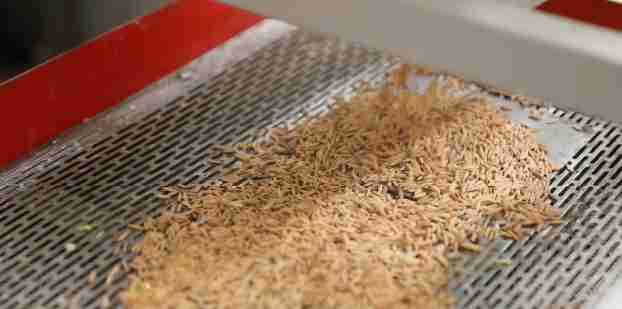
Understanding the Rice Milling Process and Its Impact on Quality
The journey of rice from farm to table is a fascinating transformation that begins with the milling process. This intricate operation not only removes the husk and bran from the rice grains but also plays a crucial role in determining the overall quality and nutritional value of the final product. Milling involves several key steps that are essential for achieving high-quality rice, including cleaning, hulling, milling, and polishing. Each stage requires precision, as the extent of processing can affect flavor, texture, and even the shelf life of the grain.
A crucial aspect of understanding this process is recognizing the impact of various milling techniques on rice quality. For instance, the choice between traditional stone milling and modern mechanical milling can yield different results in terms of grain integrity and nutritional retention. Additionally, several factors influence the efficiency of the milling process, such as:
- Moisture content: Proper moisture levels are vital for optimal milling.
- Grain variety: Different rice varieties respond uniquely to milling techniques.
- Milling duration: Longer milling may enhance polish but reduce grain quality.
To further illustrate the differences in quality based on milling methods, consider the following table:
| Milling Method | Quality Outcome | Texture | Nutritional Retention |
|---|---|---|---|
| Traditional Stone Milling | Higher quality, retains more nutrients | Soft, slightly chewy | High |
| Modern Mechanical Milling | Standard quality, often lower in nutrients | Fluffy and dry | Moderate |
Understanding these nuances not only enhances appreciation for the rice being served but also informs better purchasing decisions for consumers seeking quality grains.
Exploring the Technology Behind Modern Rice Mills
At the heart of every modern rice mill lies a symphony of technology and innovation designed to optimize the rice transformation process. Unlike traditional methods, contemporary rice mills leverage automated machinery and precision engineering to streamline operations. Key technological advancements have led to:
- Efficient milling techniques: Utilizing multi-stage milling systems that reduce breakage and enhance output quality.
- Advanced sorting mechanisms: Implementing optical sorters that identify and remove impurities, ensuring superior grain purity.
- Data management systems: Employing IoT devices to monitor and control milling parameters in real time, promoting consistency and minimizing waste.
The design of modern rice mills also incorporates energy-efficient systems and sustainable practices. This not only aids in reducing operational costs but also minimizes the environmental footprint of rice processing. Some notable components include:
| Component | Function | Benefits |
|---|---|---|
| Dehusking Machine | Removes husk from rice grains | Increases yield and quality |
| Polishing Equipment | Enhances grain appearance | Improves market competitiveness |
| Grain Storage Systems | Safeguards quality during storage | Reduces spoilage and loss |

Sustainable Practices in Rice Milling: Balancing Efficiency and Responsibility
In the evolving landscape of rice milling, integrating sustainable practices plays a critical role in enhancing operational efficiency while minimizing environmental impact. Modern rice mills are increasingly adopting eco-friendly technologies that optimize energy consumption and reduce waste. Key initiatives that mills are embracing include:
- Investment in energy-efficient machinery that lowers electricity usage.
- Implementing water recycling systems to conserve resources.
- Utilizing by-products, such as rice husks, as biomass fuel or organic fertilizer.
Moreover, the transition towards sustainable practices also involves engaging local communities and promoting responsible sourcing. Transparency in supply chains has become essential for ensuring that the rice is sourced ethically. Mills are cultivating relationships with local farmers, supporting them through education on sustainable farming methods. A summary of the benefits of this community-focused approach can be seen in the table below:
| Benefits | Description |
|---|---|
| Improved Quality | Enhanced rice quality through responsible farming practices. |
| Economic Empowerment | Boosting local economies by providing fair wages to farmers. |
| Environmental Stewardship | Promoting biodiversity and sustainable land use. |
Maximizing Profitability: Best Practices for Rice Mill Operations
In the intricate tapestry of rice mill operations, profitability hinges on a myriad of factors that, when strategically intertwined, can lead to outstanding financial outcomes. Optimizing production efficiency is paramount, beginning with meticulous scheduling and workflow organization. A well-planned operational schedule minimizes downtime and maximizes output, ensuring that every grain is converted into profit. In addition to this, investing in modern technology not only enhances processing speed but also improves quality control, resulting in higher-grade rice that fetches better market prices. Evaluating machinery and embracing automation where feasible can be a game-changer for productivity.
Furthermore, supply chain management plays a crucial role in maintaining profitability. Establishing robust relationships with local farmers ensures a steady supply of high-quality paddy rice, while also potentially leading to cost reductions through bulk procurement. Implementing a tracking system for inventory management can help in reducing spoilage and improving operational efficiency. The following table illustrates key practices that can drastically enhance the operational mechanics of a rice mill:
| Practice | Benefit |
|---|---|
| Regular Maintenance | Prevents breakdowns and maximizes machine lifespan |
| Staff Training | Enhances productivity and reduces errors |
| Quality Assurance Measures | Increases customer satisfaction and loyalty |
| Energy Management | Lowers operational costs and promotes sustainability |
Future Outlook
As we conclude our exploration into the world of rice mills and the transformative journey of this essential grain, we reflect on the intricate processes that elevate humble paddy into the staple that nourishes billions. Each step, from harvesting to milling, is a testament to human ingenuity and the harmonious relationship we share with nature.
The secrets we’ve uncovered reveal not just the mechanics of rice milling but also the cultural and economic significance that rice holds across the globe. Whether it’s the sound of grains spilling into a sorting machine or the aroma of freshly milled rice, each moment in the milling process encapsulates a story of tradition, innovation, and sustainability.
As we move forward, let us appreciate every bowl of rice that graces our tables, recognizing the journey it has undertaken from field to feast. Understanding the science behind the milling process not only enriches our culinary experiences but also deepens our respect for the agricultural practices that sustain us.
In this ever-evolving narrative of grain transformation, together, let’s continue to unlock the secrets of rice mills, fostering a greater appreciation for the food we consume and the craftsmanship that brings it to life. Whether you are a rice connoisseur or simply enjoy the comfort of a warm serving, remember that each grain carries with it a legacy worth celebrating.




