
In a world where culinary excellence often hinges on the seemingly simple grain of rice, the process behind achieving that perfect bowl goes unnoticed by many. As we embrace 2023, the demand for quality rice continues to rise, driving innovation within the industry. Enter the rice mill—a pivotal player in transforming raw grains into the delectable staple that graces tables around the globe. However, not all rice mills are created equal. With advances in technology, sustainability practices, and a renewed focus on flavor and nutrition, the best rice mills of 2023 are redefining what it means to unlock the full potential of this ancient staple. Join us on a journey through the heart of the rice milling industry, as we uncover the finest producers that are setting the standard for quality, and learn what makes them shine in a market increasingly driven by consumer awareness and discernment.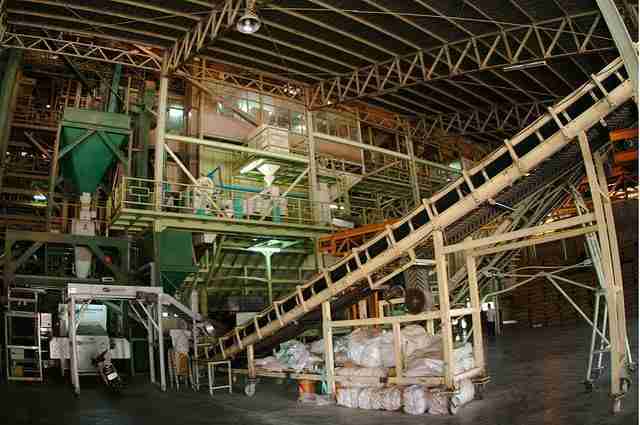
Understanding the Art of Rice Milling Techniques
Rice milling is an intricate process that transforms paddy into the white grains that adorn many dining tables worldwide. Each technique employed in this art has profound implications for the rice’s flavor, texture, and overall quality. The journey begins with pre-cleaning, where impurities such as stones and dirt are removed, ensuring that the milling process starts with the best raw materials. Following this, hulling separates the husk from the grain using either traditional methods or modern machinery—the latter yielding more consistent results. The next phases involve grading and polishing, where rice is sorted by size and refined for aesthetic appeal, significantly impacting market value and consumer preference.
Modern rice mills utilize a variety of technologies to optimize production and enhance quality. Key techniques include white rice milling, which focuses on removing the bran layer for a finer product, and parboiling, a method that cooks the rice partially before milling, helping to retain nutrients. The choice of milling depends on several factors, such as desired taste, target market, and nutritional goals. To highlight the efficiency of these practices, consider the following comparative metrics:
| Milling Technique | Advantages | Disadvantages |
|---|---|---|
| White Rice Milling | Higher shelf-life, appealing appearance | Loses essential nutrients |
| Parboiling | Retains nutrients, enhances texture | Requires more processing time |
| Traditional Milling | Preserves flavors and aromas | Labor-intensive, less consistent |

Evaluating Quality: Key Features of Top Rice Mills
When it comes to identifying the best rice mills, several key features stand out that define their quality. Precision milling is essential, as it ensures that each grain is processed to perfection, maximizing both flavor and nutritional content. Top rice mills utilize advanced technology to minimize broken rice and maximize yield, while also maintaining the integrity of each grain. Additionally, sustainability practices are becoming increasingly important; leading mills often implement eco-friendly processes that reduce waste and conserve resources, appealing to the environmentally-conscious consumer.
Another crucial aspect of a top-notch rice mill is its commitment to quality control. This means rigorous testing protocols to ensure that the rice meets numerous safety and quality standards before it reaches the consumer. Effective mills also prioritize customer service, offering transparency in their operations and being responsive to inquiries regarding their products and practices. Below is a quick reference table highlighting some top mills and their standout features:
| Rice Mill | Key Features | Sustainability Practices |
|---|---|---|
| Mille Lacs Rice Co. | High precision milling Innovative technology |
Water conservation initiatives |
| Golden Harvest Mills | Quality control testing User-friendly packaging |
Recyclable packaging materials |
| Pure Grain Rice Inc. | Advanced processing equipment Minimized broken grains |
Solar energy usage |

Sustainable Practices in the Rice Milling Industry
The rice milling industry has gradually evolved towards adopting practices that prioritize sustainability, ensuring not only enhanced product quality but also environmental preservation. Reducing waste and maximizing resource efficiency are now key focuses. Rice mills are increasingly implementing methods such as:
- Water Recycling: Utilizing advanced filtration systems to recycle water used in the milling process.
- Energy Efficiency: Investing in energy-efficient machinery that consumes less power and reduces emissions.
- Use of By-products: Repurposing rice husks and bran as bioenergy sources or animal feed, thereby minimizing waste.
Moreover, the adoption of organic farming techniques is seeing a rise in tandem with sustainable milling practices. Mills that emphasize sourcing from organic farms not only enhance the quality of their rice but also support farmers who practice eco-friendly agriculture. This commitment can be quantified, as shown in the table below, which outlines the benefits of sourcing organic rice versus conventionally-sourced rice:
| Aspect | Organic Rice | Conventional Rice |
|---|---|---|
| Nutritional Value | Higher antioxidant levels | Standard antioxidant levels |
| Pesticide Residue | Minimal to none | Higher levels of chemical residues |
| Environmental Impact | Lower carbon footprint | Higher carbon footprint |
Spotlight on Innovative Technology in Rice Production
As the agricultural sector continually evolves, technology plays a pivotal role in enhancing rice production practices. Recent advancements have led to the integration of smart technologies that enhance not only yield but also the quality of milled rice. For instance, precision farming using IoT devices allows farmers to monitor soil health and moisture levels in real-time, enabling them to apply fertilizers and water more efficiently. Other innovations include:
- Automated Harvesters: These machines reduce labor costs and minimize post-harvest losses.
- Advanced Grain Drying Techniques: Improved drying methods prevent spoilage and maintain grain quality.
- AI-Based Sorting Systems: Intelligent sorting technology ensures that only the highest quality rice reaches consumers.
Moreover, blockchain technology is making waves in ensuring transparency across the supply chain. With end-to-end tracking, consumers can trace the origin of their rice, fostering trust and supporting ethical producers. The following table illustrates some of the top rice mills adopting these technologies in 2023:
| Mills | Location | Technology Implemented |
|---|---|---|
| RiceTech Solutions | California, USA | IoT Soil Monitoring |
| GrainYard Innovations | Bangladesh | AI Sorting Systems |
| HarvestCloud | India | Blockchain Tracking |
To Wrap It Up
As we conclude our journey through the landscape of rice milling in 2023, it’s clear that the quest for quality is more than just a search for the best grains; it’s a commitment to sustainability, innovation, and community. The mills we’ve explored stand as beacons of this philosophy, blending tradition with modern technology to deliver excellence in every kernel. Whether you’re a devoted chef, a health-conscious consumer, or a rice aficionado, recognizing the importance of quality sourcing can elevate your culinary experiences and support ethical practices in the industry.
In a world where every choice matters, choosing the right rice mill is more than just a decision—it’s a way to contribute to a future where quality reigns supreme. We hope this guide empowers you to make informed choices as you navigate the aisles of your local market or online shops. After all, every meal begins with a single grain, and selecting the finest means unlocking a world of flavor, nutrition, and possibility. Here’s to savoring the best rice of 2023 and beyond!




