
In the world of culinary delights, few staples hold as esteemed a position as rice. It serves as a canvas for flavors, the foundation of countless dishes, and a bridge connecting diverse cultures through its simple yet profound presence. However, the journey from paddy to plate is a complex one, often determined by the intricacies of processing. Enter the rice mill: a silent yet essential player in ensuring that every grain reaches its peak potential. In this exploration of “Unlocking Perfection,” we delve into the art and science behind rice milling, uncovering the best mills that transform raw grains into culinary treasures. Join us as we navigate through innovation and tradition, examining the practices that not only preserve the integrity of rice but elevate it to new heights in quality and taste. Whether you’re a devoted chef, a food enthusiast, or simply someone who appreciates a well-cooked meal, understanding these milling processes may just change the way you view your next bowl of rice.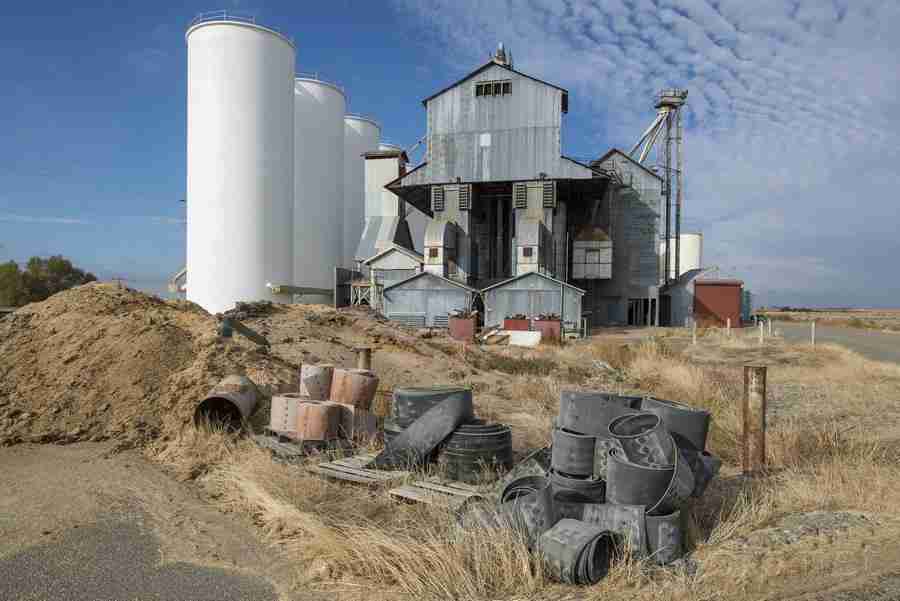
Exploring the Characteristics of High-Quality Rice Mills
When assessing what truly sets exceptional rice mills apart, several defining characteristics emerge. Efficiency is paramount; a high-quality rice mill optimally processes grains while minimizing waste and energy consumption. The technology employed must be state-of-the-art, ensuring that the grains are husked, milled, and polished with precision. Another vital aspect is durability: superior mills are designed to withstand rigorous use, featuring robust materials and components that extend their operational lifespan. Additional attributes such as user-friendliness and effective maintenance mechanisms contribute significantly to their overall functionality.
Moreover, it is essential to consider the quality of the end product. High-performing mills not only produce rice with superior taste and texture but also maintain its nutritional value. Key characteristics that highlight these mills include:
- Grain Recovery Rates: Achieving maximum yield from raw material.
- Contaminant Removal Systems: Ensuring that the final product is pure and safe.
- Customizable Settings: Allowing operators to tailor the milling process according to specific rice varieties.
Here’s a brief overview in table format:
| Characteristic | Description |
|---|---|
| Efficiency | Minimizes waste and optimizes energy use. |
| Durability | Constructed from high-quality materials for longevity. |
| End Product Quality | Ensures superior taste and nutritional value. |

Innovative Technologies Transforming Rice Milling Efficiency
In the quest for heightened efficiency in rice milling, the integration of cutting-edge technologies has become a cornerstone of modern operations. Automation plays a pivotal role, with smart sensors and machine learning algorithms facilitating real-time monitoring of milling processes. These advancements not only optimize throughput but also enhance rice quality by minimizing broken grains and ensuring uniform milling. Furthermore, the adoption of IoT (Internet of Things) devices enables seamless connectivity between equipment, allowing mill operators to gather and analyze data remotely, leading to informed decision-making and rapid problem resolution.
Moreover, innovative machinery is continuously emerging, transforming traditional methods into streamlined processes. For instance, high-efficiency huskers and multi-functional milling machines are designed to maximize output while conserving energy. The implementation of environmentally-friendly technologies also sets a new standard, addressing sustainability without compromising on performance. Here’s a simplified comparison of some popular technologies currently enhancing rice milling operations:
| Technology | Benefits |
|---|---|
| Automated Control Systems | Reduces manual labor, increases consistency. |
| High-Efficiency Husking | Minimizes breakage, boosts output. |
| IoT Connectivity | Enhances data collection, improves decision-making. |
| Sustainable Processing Units | Decreases waste, lowers energy consumption. |

Sustainable Practices in Modern Rice Production
In the quest for enhancing rice production without compromising the environment, innovative techniques are at the forefront. Farmers are increasingly adopting integrated pest management (IPM) practices that emphasize biological control methods rather than relying solely on chemical pesticides. This approach not only reduces environmental impact but also promotes biodiversity within rice fields. Additionally, the use of crop rotation and cover crops helps maintain soil health and fertility, ensuring a productive rice crop year after year. The rejuvenation of traditional methods, such as system of rice intensification (SRI), is also gaining traction, as it focuses on planting fewer seedlings while promoting better root development and water efficiency.
Moreover, the adoption of precision agriculture technologies is transforming rice farming into a data-driven endeavor. By utilizing tools such as drones and soil sensors, farmers can monitor crop health and optimize inputs, leading to reduced waste and better yields. The emphasis on organic fertilizers and natural herbicides contributes to sustainability by minimizing chemical runoff and maintaining ecological balance. A growing number of rice mills are now prioritizing sustainability by implementing energy-efficient systems and waste recycling programs. These practices not only enhance productivity but also affirm a commitment to preserving the environment for future generations.
Top-Rated Rice Mills Around the Globe: A Comprehensive Review
Rice mills are the backbone of the rice production industry, transforming paddy into the white grains that fill plates worldwide. In our quest for quality, we’ve scoured the globe to find mills that stand out due to their advanced technology, sustainable practices, and commitment to product excellence. From North America’s innovative processes to Asia’s time-honored techniques, certain rice mills have earned stellar reputations for their efficiency and quality control. Here are some characteristics that define these top-rated facilities:
- State-of-the-Art Machinery: Modern rice mills invest in cutting-edge technology to maximize output while minimizing waste.
- Sustainable Practices: Many leading mills incorporate eco-friendly processes, from energy-efficient operations to waste recycling.
- Quality Assurance: Rigorous testing protocols ensure that milled rice meets strict standards for quality, taste, and nutritional value.
To provide insight into the top contenders, we present a comparative table highlighting key features of some exemplary rice mills:
| Milling Facility | Location | Annual Capacity (MT) | Technological Advancements |
|---|---|---|---|
| Golden Harvest Mills | California, USA | 100,000 | Automated Sorting |
| Shree Krishna Rice Mill | India | 250,000 | Eco-Sustainability Focus |
| Kingston Grain | Thailand | 200,000 | Advanced Polishing Techniques |
Each of these rice mills boasts unique characteristics that cater to diverse market needs while ensuring top-notch quality. Their commitment to innovation and sustainability ensures they remain industry leaders, setting benchmarks for others to follow.
In Conclusion
As we conclude this exploration of the world’s finest rice mills, it becomes evident that the journey to unlocking perfection in rice production is an ongoing adventure marked by innovation, tradition, and a relentless pursuit of quality. The mills we’ve highlighted are not merely machines; they are the heart and soul of rice cultivation, transforming grains into staples that nourish millions.
In a landscape where culinary diversity thrives, these extraordinary facilities stand as pillars of consistency and excellence. Whether you’re a farmer seeking to elevate your harvest, a chef searching for the perfect ingredient, or simply a discerning consumer passionate about the grain that graces your table, understanding the nuances of these milling processes can deepen your appreciation for this essential food source.
As the industry evolves, so too will the technologies and methods that shape our understanding of rice. By staying informed and engaged, we can all contribute to the dialogue on quality and sustainability, ensuring that every bowl we serve reflects the dedication of those who cultivate and mill this cherished grain. Together, let’s continue to unlock the secrets of perfection, one grain at a time.




