
In the realm of agriculture, the quest for efficiency and innovation is ceaseless. Enter the all-in-one rice mill machine, a remarkable technological advancement that promises to revolutionize the way we process this staple grain. As rice continues to be a fundamental food source for billions around the globe, the need for streamlined, cost-effective processing methods has never been more pressing. This machine combines the critical stages of milling—from husking to polishing—into a single, compact unit, presenting a compelling solution for farmers and producers alike. In this article, we will explore the intricacies of this multifaceted machine, examining its design, functionality, and the transformative impact it holds for the rice industry. Join us as we unlock the potential of the all-in-one rice mill machine and discover how it stands at the intersection of tradition and modern efficiency.
Understanding the Multifunctionality of All-in-One Rice Mill Machines
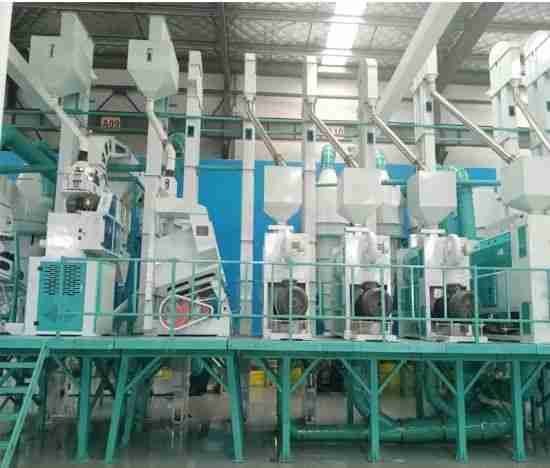
The all-in-one rice mill machine revolutionizes traditional grain processing by integrating multiple functionalities into a single, compact unit. These machines not only streamline operations but also substantially reduce labor costs and time consumption. With their advanced technology, they are capable of performing various tasks including:
- Hulling: Removing husks efficiently to produce brown rice.
- Polishing: Enhancing the appearance and taste of rice by gently removing the bran layer.
- Sorting: Separating damaged or inferior grains from high-quality rice.
- Packaging: Automatically bagging the finished product, ready for distribution.
These multifunctional machines are designed with user-friendly interfaces, making them accessible to operators with varying levels of expertise. Additionally, their energy-efficient designs help minimize electricity usage, further contributing to cost savings. Below is a comparison table illustrating some key features of popular all-in-one rice mill machines:
| Model | Output (kg/h) | Power (kW) | Dimensions (mm) |
|---|---|---|---|
| Model A | 600 | 5 | 1500 x 1200 x 1200 |
| Model B | 800 | 7 | 1600 x 1300 x 1250 |
| Model C | 1000 | 10 | 1700 x 1400 x 1300 |
the efficiency, versatility, and modern features of all-in-one rice mill machines make them an indispensable asset for rice producers looking to optimize their processing capabilities.

Maximizing Productivity with Innovative Features and Technology
In today’s fast-paced agricultural landscape, efficiency is not just a goal; it’s a necessity. The all-in-one rice mill machine exemplifies how innovative features can streamline rice processing, allowing farmers to maximize their output with minimal effort. By integrating multiple functions—such as hulling, milling, and polishing—in a single compact unit, this machine reduces the need for several different machines, saving both time and money. With smart technology, farmers can easily monitor and adjust the milling process, ensuring that they achieve the optimal grain quality and yield.
The introduction of advanced technologies has transformed traditional farming practices into a more data-driven approach. Some of the key features that contribute to enhanced productivity include:
- Automated Controls: Simplifying operation with user-friendly interfaces.
- Energy Efficiency: High performance with lower power consumption.
- Durability: Robust construction designed to withstand harsh environments.
Moreover, integrating a real-time monitoring system provides users with instant feedback about machine performance and grain quality, allowing for immediate adjustments. To better visualize the benefits, please see the table below that outlines the comparative advantages of traditional milling versus modern all-in-one machines:
| Feature | Traditional Milling | All-in-One Rice Mill |
|---|---|---|
| Processing Time | Longer | Shorter |
| Energy Consumption | Higher | Lower |
| Quality Control | Manual | Automated |
| Maintenance | Frequent | Minimal |
Choosing the Right Rice Mill Machine: Key Factors to Consider
When selecting a rice mill machine, it’s essential to evaluate various aspects that directly impact productivity and the quality of the rice produced. Capacity is a crucial factor; ensure the machine aligns with your processing needs, whether for small-scale or large-scale operations. Additionally, consider the energy efficiency of the unit to help minimize operational costs and reduce environmental impact. The choice of materials used in the construction of the mill can affect its durability and maintenance needs. Look for machines crafted from robust materials that enhance longevity and require less frequent repairs.
Another vital aspect is the technology behind the milling process. Cutting-edge machines equipped with modern features can offer superior milling with less breakage, leading to a higher yield of quality rice. It’s also wise to factor in the ease of use and maintenance requirements. Look for intuitive designs that streamline operation and allow for quick servicing, ensuring minimal downtime. Furthermore, assess the after-sales support and service provided by the manufacturer, as reliable service can significantly contribute to the machine’s performance over time. Here’s a simple table to help you compare some key features:
| Feature | Importance | Considerations |
|---|---|---|
| Capacity | High | Match with production requirements |
| Energy Efficiency | Medium | Lower operational costs |
| Durability | High | Materials used in construction |
| Technology | High | Advanced milling features |
| Maintenance | Medium | Ease of use and service |
Maintenance Tips for Longevity and Optimal Performance
To ensure the longevity and optimal performance of your all-in-one rice mill machine, routine maintenance is essential. Regular cleaning is crucial. After each use, make sure to remove any residual grain or dust from all parts of the machine. Use a soft brush or cloth to gently clean the surfaces, focusing on the milling chamber and other accessible areas. Additionally, consider checking the belts and bearings for wear and tear, as these components are vital for smooth operation. Lubricating moving parts at specified intervals will significantly reduce friction and prolong the machine’s life.
Another vital aspect of maintenance involves monitoring the machine’s performance. If you notice any changes in output quality or speed, it might be time for a deeper inspection. Regularly calibrate the settings according to the manufacturer’s guidelines, as this ensures that you achieve the best milling results. Keep an eye on the electrical connections and ensure that they are secure and free from corrosion. Below is a quick checklist for your maintenance routine:
| Maintenance Task | Frequency |
|---|---|
| Clean mill chamber | After each use |
| Inspect belts and bearings | Monthly |
| Lubricate moving parts | Quarterly |
| Calibrate settings | Every 6 months |
| Check electrical connections | Annually |
Key Takeaways
the rise of the all-in-one rice mill machine signifies a notable advancement in agricultural technology, merging innovation with practicality to optimize operations in rice processing. By streamlining various milling processes into a single, efficient unit, these machines not only enhance productivity but also empower farmers and millers to achieve higher quality outputs while minimizing waste. As we move towards an era where efficiency and sustainability are paramount, embracing such multifunctional equipment allows stakeholders in the rice industry to meet growing demands without compromising on quality or environmental responsibilities. The potential for growth and improvement is vast, and the all-in-one rice mill machine stands at the forefront, ready to revolutionize how we perceive and engage with rice milling. Unlocking efficiency is just the beginning; the future of rice production is bright, and the journey promises to be transformative for all involved.




