
In the intricate tapestry of agriculture, where each thread contributes to the overall fabric of food security and sustainability, rice stands out as a staple crop that nourishes billions around the globe. Yet, its journey from golden fields to the dining table is far more complex than mere cultivation. At the heart of this transformation lie rice mills – the unsung heroes of the agricultural process. These vital establishments not only serve as the crucial link between raw grain and the products we consume but also play a pivotal role in enhancing the value of rice. Through a blend of tradition and technology, rice mills are redefining the agricultural landscape, ensuring that every grain is processed with precision and care. In this article, we delve into the multifaceted role of rice mills in agriculture, exploring how they contribute to efficiency, sustainability, and the broader economy, all while preserving the nutritional essence of one of the world’s most important crops.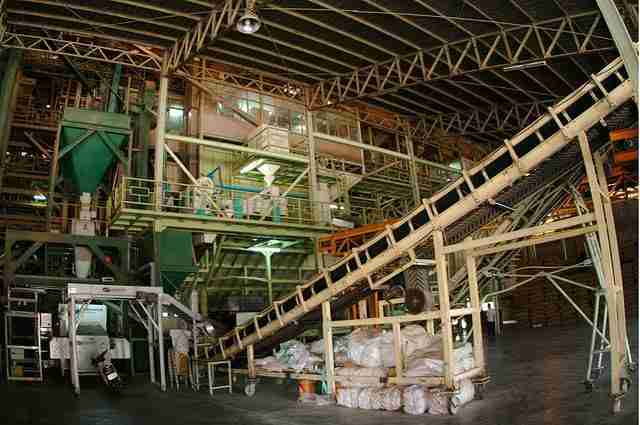
The Essential Function of Rice Mills in Sustainable Agriculture
Rice mills play a pivotal role in promoting sustainable agricultural practices by ensuring that the entire process of rice cultivation, milling, and distribution is efficient and environmentally sound. By leveraging advanced technology, these mills optimize resource use and reduce waste, contributing to the achievement of food security and ecological balance. Key functions of rice mills in this regard include:
- Minimizing Post-Harvest Loss: Effective milling processes significantly cut down on the loss of grains, enhancing yields and ensuring that farmers can reap the benefits of their hard work.
- Utilizing By-Products: Rice mills efficiently use husks and bran as renewable energy sources or animal feed, promoting a circular economy within agricultural systems.
- Promoting Quality Control: By establishing stringent quality measures, mills help maintain high standards for rice, ensuring safe consumption and market competitiveness.
Moreover, rice mills facilitate education and training for local farmers, equipping them with knowledge on sustainable practices and modern techniques. This not only enhances productivity but also encourages a communal approach to agricultural advancement. The influence of rice mills extends to economic development as well, as they create employment opportunities and stimulate local economies. A brief overview of their contributions to sustainability can be highlighted in the following table:
| Contribution | Description |
|---|---|
| Environmental Efficiency | Reduces waste and optimizes resource use in rice production. |
| Community Engagement | Trains farmers in best practices, fostering a sustainable agricultural community. |
| Economic Impact | Creates jobs and stimulates the local economy through value-added processes. |
Maximizing Yield: Techniques for Efficient Grain Processing
Efficient grain processing plays a pivotal role in ensuring that maximum yield is achieved from agricultural efforts. One primary technique involves implementing modern milling technology, which optimizes the extraction rates of polished rice while minimizing broken grains. Equipment such as high-efficiency dehuskers and gravity separators can significantly enhance the quality of the end product. Additionally, regular maintenance of machinery helps to prevent downtime and ensures that processing runs smoothly. Below are some critical techniques employed in rice mills:
- Quality Grading: Sorting grains based on size and weight to ensure uniformity.
- Precise Water Control: Adjusting water levels during milling processes to reduce starch loss.
- Temperature Monitoring: Keeping an eye on heat levels helps to preserve grain integrity.
Another transformative technique is the integration of data analytics to monitor and optimize grain processing workflows. By collecting and analyzing production data, mills can identify bottlenecks and fine-tune their operations for enhanced efficiency. Training staff in best practices for grain handling further complements these innovations. Here’s a simple table outlining some benefits of these advanced techniques:
| Technique | Benefit |
|---|---|
| Modern Milling Technology | Increased extraction rates and decreased breakage |
| Data Analytics Integration | Improved operational efficiency through real-time insights |
| Employee Training | Enhanced skill set leads to better handling practices |

Economic Impact: Rice Mills as Catalysts for Local Development
In many rural communities, rice mills play an instrumental role in driving economic progress and fostering local development. By providing farmers with essential processing services, these mills help transform paddy rice into market-ready products, thereby enhancing the overall efficiency of the agricultural supply chain. This transformation not only increases the value of the raw material but also creates numerous job opportunities in the surrounding areas, contributing to a more robust local economy. Through the establishment of rice mills, communities witness a ripple effect that stimulates various sectors, including transportation, marketing, and retail.
Furthermore, rice mills serve as a vital link between producers and consumers, often leading to better pricing for farmers and ensuring a steady supply of quality rice for local markets. The benefits of rice mills include:
- Income Generation: Providing steady employment opportunities.
- Quality Improvement: Elevating the market quality of rice through processing.
- Local Investment: Encouraging reinvestment of profits into the community.
- Sustainability Practices: Promoting eco-friendly processing methods.
Additionally, collaboration among farmers, mill operators, and local businesses can lead to innovative agricultural practices and the optimization of resource use. As these mills expand, they can introduce technological advancements, improve infrastructural support, and elevate the overall agricultural standards in their regions. The combined effects create a more vibrant agricultural ecosystem, fostering resilience against economic downturns and ensuring sustained growth for generations to come.
Future Innovations in Rice Milling Technology and Their Benefits
As the demand for rice continues to rise globally, innovations in milling technology are poised to revolutionize the sector. Automated systems equipped with artificial intelligence are streamlining the milling processes, reducing manual labor, and promoting precision in grain handling. These advancements not only enhance the quality of the final product but also minimize waste during processing. Key technological trends include:
- IoT Integration: Smart sensors monitor moisture levels and grain conditions in real-time, ensuring optimal processing parameters.
- Energy Efficiency: New milling machines designed with energy-saving mechanisms are decreasing power consumption, thereby lowering operational costs.
- Traceability Features: Blockchain technology is being integrated to enhance transparency in the supply chain, giving consumers trust in product origin.
These cutting-edge technologies not only increase productivity but also contribute to sustainability initiatives within the rice sector. By adopting eco-friendly practices, mills reduce their carbon footprint, thus playing a role in combating climate change. Additionally, advancements in data analytics are enabling millers to gain insights into their operations, leading to improved decision-making capabilities. The benefits of these innovations extend to:
| Benefit | Description |
|---|---|
| Lower Production Costs | Through automation and energy efficiency improvements, operational costs are significantly reduced. |
| Enhanced Product Quality | Advanced milling technology ensures higher precision and reduces the chance of damage to the grains. |
| Reduced Environmental Impact | Innovative technologies lower resource consumption and waste generation, supporting sustainability efforts. |
Insights and Conclusions
As we wrap up our exploration of the vital role rice mills play in transforming grains within the agricultural landscape, it becomes clear that these facilities are much more than mere processing stations. They stand at the intersection of tradition and innovation, bridging the gap between farmers and consumers while enhancing food security and supporting local economies.
Through their sophisticated machinery and skilled workforce, rice mills not only elevate the quality of a staple food but also contribute to sustainable practices that minimize waste and maximize value. As agriculture continues to evolve in response to global challenges, the importance of such transformation cannot be overstated.
In an era where food systems are under constant scrutiny, rice mills remind us of the power of collaboration and technology in driving positive change. As we look to the future, may we recognize and support these pivotal players in our food chain, ensuring that grains like rice not only nourish our bodies but also foster resilient communities and prosperous agricultural practices.




