
In a world where culinary expertise meets nutritional necessity, rice remains a staple that transcends borders and cultures. With endless varieties and preparations, the humble grain has secured its place at the heart of countless dishes. However, the quality of rice begins long before it graces your plate—it starts in the mill. As we navigate through 2023, discerning consumers and chefs alike are seeking the finest rice mills to ensure they select the best grains that their culinary ambitions deserve. In this article, we embark on a journey to explore the top rice mills of the year, highlighting their unique offerings, production methods, and commitment to quality. Whether you’re a home cook aiming to elevate your meals or a professional chef in search of premium grains, our guide will help you uncover the best mills tailored to your needs. Prepare to discover the key players in the rice industry and learn how to choose the right source for your every culinary pursuit.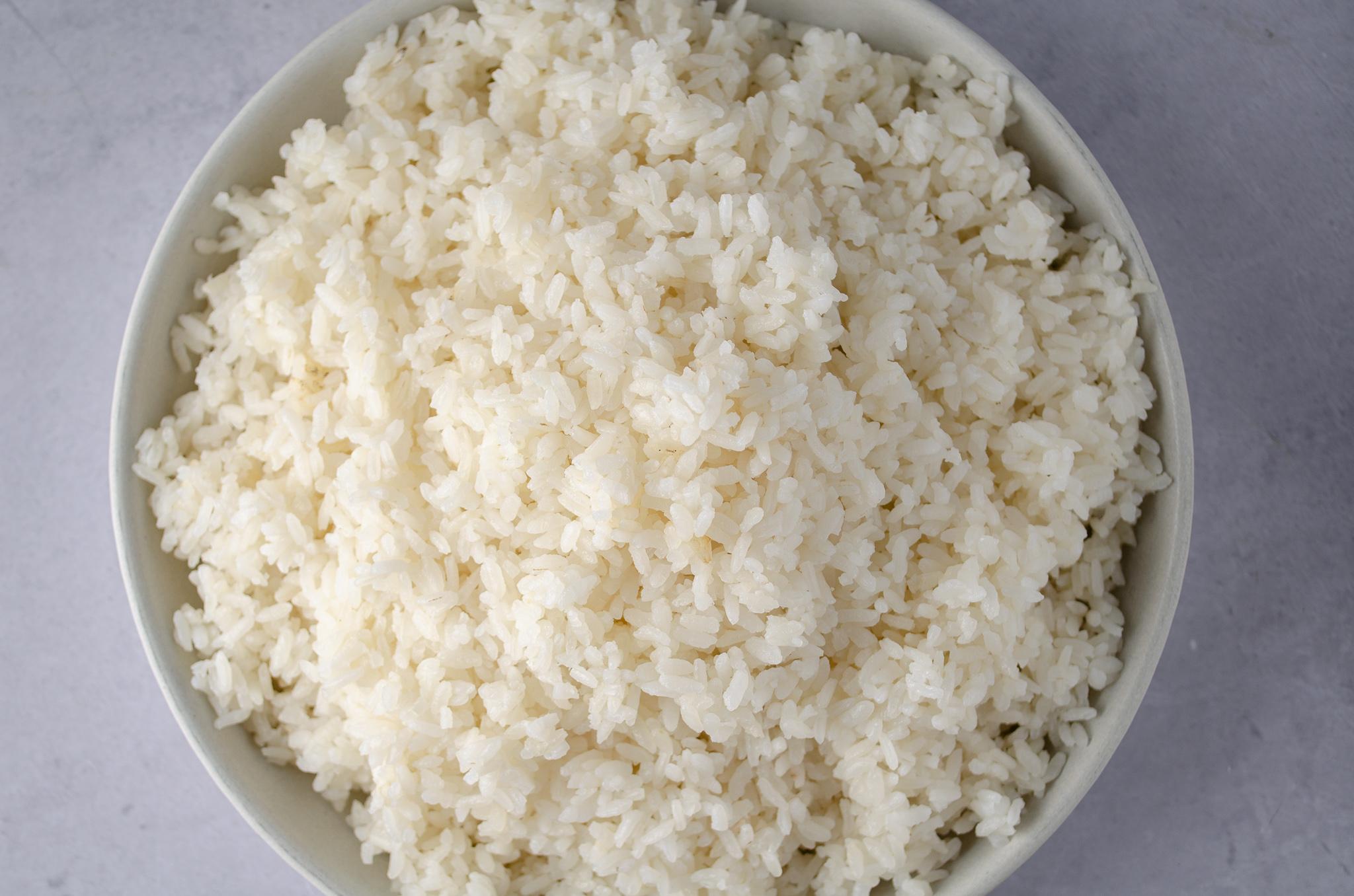
Understanding Rice Processing Techniques for Quality Assurance
One of the pivotal elements in ensuring the quality of rice is the processing technique used. Various methods can significantly influence the taste, texture, and nutritional profile of the final product. Understanding these techniques not only aids in selecting a high-quality rice mill but also enhances the overall cooking experience. Common processing techniques include:
- Parboiling: A method that involves partially boiling rice while still in its husk, which helps to retain nutrients.
- Milling: This includes husking and polishing processes, which can affect the grain’s appearance and cooking properties.
- Sorting: High-quality mills often incorporate advanced technology for sorting, ensuring uniform grain sizes and colors.
Furthermore, the drying process is critical in determining the shelf life and flavor of rice. Properly dried rice can prevent spoilage and maintain quality over time. Key aspects to consider include:
| Drying Method | Impact on Quality |
|---|---|
| Sun Drying | Natural flavor retention, but may risk contamination. |
| Forced Air Drying | Consistent moisture control, enhances shelf life. |
| Infrared Drying | Quick drying, minimizes nutrient loss. |
Key Factors to Consider When Choosing a Rice Mill
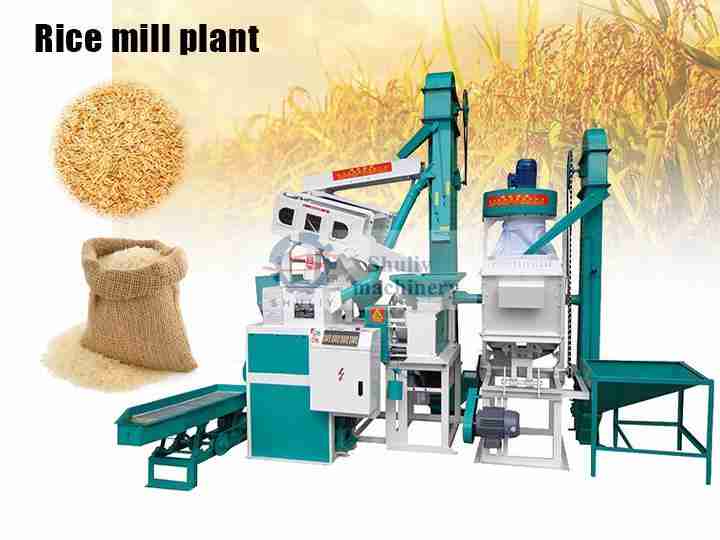
When embarking on the journey to select the right rice mill, it’s essential to delve into various crucial aspects to ensure your investment yields the desired results. Begin by evaluating the capacity and efficiency of the mill, as this will dictate your production capabilities. Look for mills boasting advanced technology to enhance the milling process and improve output quality. Furthermore, consider the brand reputation within the industry; established manufacturers often provide better support and maintenance services. Don’t forget to research customer reviews and case studies to gauge performance outcomes in real-world settings.
Another vital factor is the cost of ownership, which includes both the purchase price and the long-term operating expenses. Assess whether the mill offers energy-efficient options, which can substantially lower operational costs over time. Maintenance and spare parts availability are also critical; confirm that the mill is designed for easy access to components that may require regular replacement. Here’s a simplified comparison of key features to consider:
| Feature | Importance |
|---|---|
| Capacity | Determines output quantity |
| Technology | Enhances efficiency & quality |
| Brand Reputation | Assures reliability & support |
| Cost of Ownership | Impacts budget & profitability |
| Maintenance | Ensures longevity of equipment |
Innovative Technologies Revolutionizing Rice Milling
In recent years, the rice milling industry has embraced a wave of innovative technologies that are redefining efficiency, quality, and sustainability. Advanced milling machines equipped with AI-powered sensors and precision algorithms are now capable of assessing grain quality in real-time, ensuring that only the best rice makes it to the final product. This not only enhances the nutritional value but also minimizes waste through optimized processing methods. Additionally, technologies such as smart milling systems integrate IoT capabilities, allowing mill operators to monitor machinery performance remotely, thereby reducing downtime and maintenance costs.
Furthermore, advancements in environmentally friendly milling techniques have made a significant impact on the industry. For instance, many new rice mills are adopting techniques that utilize renewable energy sources such as solar power, which drastically cuts down on carbon emissions. Here’s a brief overview of some of the most effective eco-friendly innovations:
- Water Reduction Technologies: Techniques designed to minimize water usage during processing.
- Eco-Friendly Packaging: Utilization of biodegradable materials for packaging.
- Waste-to-Energy Systems: Converting milling byproducts into energy sources.
| Technology | Benefit |
|---|---|
| AI Systems | Improved quality control and efficiency. |
| IoT Integration | Remote monitoring and reduced downtime. |
| Renewable Energy | Decreased environmental impact. |
Top Recommendations for Diverse Needs and Preferences
When searching for rice mills that cater to a variety of needs and preferences, it’s essential to consider the key factors that can impact your decision-making process. Quality of milling, energy efficiency, and output levels are crucial considerations that can affect everything from the nutritional value of the rice to the overall cost of production. Many modern rice mills offer advanced features that optimize the milling process, ensuring that the final product retains its quality while maximizing yield. Here’s a quick look at some top features to consider:
- Automated Systems: Mills with automation reduce labor costs and increase efficiency.
- Energy Consumption: Select mills designed to minimize energy use, supporting environmentally-friendly practices.
- Capacity: Choose a mill that suits your production needs, whether small-scale or industrial.
In addition to functionality, the type of rice you plan to process can greatly influence your choice of mill. Certain mills are specifically designed for particular rice varieties or processing methods, such as parboiling or whitening. Understanding these distinctions can help you select a mill that aligns with your specific goals. Below is a table that outlines some rice mills popular in 2023, highlighting their specialties:
| Rice Mill | Specialty | Capacity (kg/h) |
|---|---|---|
| Modern Mill 2000 | White Rice Milling | 2000 |
| EcoGreen Rice Mill | Parboiling Technology | 1500 |
| Heritage Grain Mill | Organic Rice | 800 |
In your quest to find the right rice mill, always consider the unique requirements of your operations, as well as any specific compliance or certification needs you may have. By aligning your choice with both technological capabilities and production goals, you can ensure that your rice milling operations meet the highest standards in quality and efficiency.
In Summary
As we conclude our exploration of the top rice mills of 2023, it becomes clear that the right choice for your needs transcends mere brand names or market popularity. Whether you’re a small artisan producer or a large-scale distributor, selecting the ideal rice mill is crucial to your operation’s success. We’ve illuminated the unique features, capabilities, and innovations that each of these mills brings to the table, empowering you to make an informed decision.
Remember, the best rice mill for you will align with your specific requirements—be it efficiency, volume, or precision in milling. The landscape of rice milling constantly evolves, and staying updated on industry trends is essential for future growth. We hope this journey through the leading rice mills of the year has provided you with the tools to find the perfect fit for your business.
Thank you for joining us on this rice-centric exploration; may your grains be always polished and your ventures fruitful!




