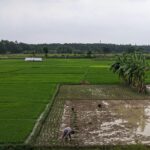
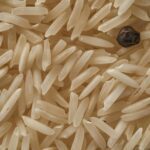
In the world of culinary delights, rice holds a cherished place at the table, gracing meals across cultures and continents. Yet, the journey from paddy to plate is often overlooked, with the quality of this staple grain significantly impacting taste, texture, and nutritional value. Enter the realm of rice mills—were innovation meets tradition, and grains are transformed into the foundation of countless dishes. In this article, we delve into the top rice mills that are redefining standards in grain production, offering quality choices that elevate your culinary experience. Whether you’re a home cook or a professional chef,understanding the source of your rice can elevate your grain game,ensuring every bite is a reflection of excellence. Join us as we explore the pioneers and artisans behind the rice industry, celebrating their commitment to quality and the diverse offerings that inspire both creativity and flavor in kitchens around the world.
Exploring the Landscape of Modern Rice Milling Techniques
In today’s competitive agricultural landscape, the advancements in rice milling techniques have revolutionized the way grain is processed. Embracing automated systems has enabled rice mills to enhance efficiency, maintain quality, and reduce operational costs. Key components of modern rice milling include air classifiers, which separate lighter husks from heavier grains, and advanced de-stoning machines that ensure the purity of the final product. With technologies like infrared grain dryers, mills can now optimize moisture levels, significantly extending shelf life and improving storage security.
The evolution of rice milling doesn’t stop at machinery; it also embraces lasting practices that address environmental concerns. Mills are increasingly adopting wet-milling techniques that minimize waste and utilize less energy compared to their dry-milling counterparts. Furthermore, innovations such as bioenergy plants within milling facilities have begun to transform by-products like husks and bran into valuable energy resources. The shift towards these modern techniques reflects a commitment to not only producing high-quality rice but also contributing to a greener future.

Key Features to Look for in High-Quality Rice Mills
When selecting a high-quality rice mill, it’s essential to focus on key features that ensure efficiency and durability. Look for systems that incorporate advanced milling technology, which can significantly enhance the quality of the final product by preserving grain integrity. Additionally, consider mills with modular designs that allow for easy upgrades and maintenance, promoting longevity.Features such as automatic separation of husk, bran, and white rice, help reduce manual labor and improve consistency in processing. Furthermore, energy efficiency should never be underestimated; selecting mills built with low energy consumption mechanisms reduces operational costs while benefiting the environment.
In addition to technological aspects, user-friendly interfaces are critical in modern rice mills. Ensure the model you choose includes an intuitive control panel, allowing operators to monitor and adjust settings with ease to cater to different processing types. Key specifications to pay attention to include capacity (kg/hr), suitable for your production needs, and grain processing quality, frequently enough rated through milled rice recovery percentages. Here’s a speedy comparison table highlighting these essential specifications:
| Feature | High-Quality Mill | Standard Mill |
|---|---|---|
| Capacity (kg/hr) | 800 | 500 |
| Milled Rice Recovery (%) | 70% | 60% |
| Energy Consumption (kW) | 5 | 8 |
| Control panel Type | Touchscreen | Manual |
Sustainable Practices in Rice milling: A Path to Environmental Responsibility
In the ever-evolving landscape of agriculture,rice milling stands at the forefront of innovation,intertwining efficiency with eco-consciousness. many modern mills are adopting clean energy solutions that not only optimize production but also minimize carbon footprints. By integrating technologies such as solar power and biomass energy, these facilities enhance their operational sustainability while reducing reliance on fossil fuels. Moreover, water recycling systems are being implemented to ensure that this precious resource is conserved, allowing less waste and enabling a closed-loop system that benefits both the environment and community farmers.
Another pivotal shift in sustainable rice milling involves waste management and byproduct utilization. Rather than discarding rice husks and bran, forward-thinking mills are converting these materials into functional products, such as bio-fertilizers and animal feed, thereby creating a circular economy. This practice not only reduces landfill waste but also provides additional revenue streams for mills. here are some notable sustainable practices now being adopted:
- Reduced Chemical Usage: Natural pest control and organic certifications.
- Energy Efficiency: Upgrading machinery to energy-efficient models.
- Sustainable Sourcing: Partnering with local farmers adhering to eco-friendly practices.
By showcasing these initiatives, rice mills can drive momentum for a sustainable future in agriculture, inspiring others in the industry to follow suit. The path to environmental responsibility is paved with innovative ideas and collaborative efforts that ensure not only the quality of rice but also the health of the planet.
Top Recommendations for Rice mills That Combine tradition and Innovation
When it comes to selecting a rice mill that harmonizes customary methods with modern advancements, several remarkable options stand out in the industry.These mills not only focus on grinding and processing rice but also prioritize quality and flavor retention. Key features to look for include:
- State-of-the-art milling technology that maximizes yield while preserving the integrity of the grain.
- Eco-friendly practices, such as utilizing renewable energy sources to minimize environmental impact.
- Openness in sourcing, ensuring that rice is sourced from local farmers who practice sustainable agriculture.
Another critical aspect to consider is the customization available in the milling process. Numerous rice mills now offer tailored milling options, allowing customers to choose specific levels of grain refinement and texture. Benefits of such mills include:
- Enhanced nutritional value, retaining essential vitamins and minerals throughout the milling process.
- Diverse product lines, from traditional white rice to specialty varieties like brown or jasmine rice.
- Consistent quality, ensuring every batch meets the highest culinary standards.
| Mill Name | Tradition Level | Innovation Features |
|---|---|---|
| heritage Rice Mill | High | Solar-powered operations |
| Green Fields Milling | medium | Custom milling options available |
| Pure Grain Mills | High | Water conservation techniques |
To Conclude
As we conclude our journey through the world of top rice mills, it becomes clear that the right choice can elevate not just your grain game, but also the quality of your meals and the nourishment of your family. The mills we’ve explored highlight the craftsmanship, innovation, and dedication to quality that define the industry. Whether you’re a culinary enthusiast seeking the perfect basmati for your next dish, or a health-conscious consumer looking for organic options, the selection available today is as diverse as the grains themselves.
Investing in quality rice not only enhances flavor and texture but also supports sustainable practices and local economies. As you embark on your quest for the finest rice, remember that each grain tells a story—from the fields where it grew to the mill that perfected it. By choosing wisely, you contribute to a better tomorrow while savoring the rich traditions and vibrant cultures that rice embodies.
so, elevate your grain game and make thoughtful choices that resonate on your plate and beyond. The world of rice is abundant, and with the right mill and a little exploration, you can unlock a culinary experience that is truly extraordinary. happy cooking!