
In a world where culinary excellence often begins with the simplest of ingredients, rice stands out as a staple that transcends cultures and cuisines. From the aromatic basmati gracing the plates of Indian feasts to the sticky sushi varieties that embody Japanese traditions, the quality of rice is paramount in achieving gastronomic perfection. However, the journey from paddy to plate hinges significantly on the mill that processes this humble grain. Enter the realm of rice mills, a vital component in the supply chain that ensures only the finest grains reach consumers. In this comprehensive guide, we delve into the top rice mills renowned for their commitment to quality, innovation, and sustainability. Whether you are a home cook seeking the best for your meals or a culinary professional in search of reliable suppliers, join us as we explore the landscape of rice milling and unveil the choices that can elevate your culinary creations.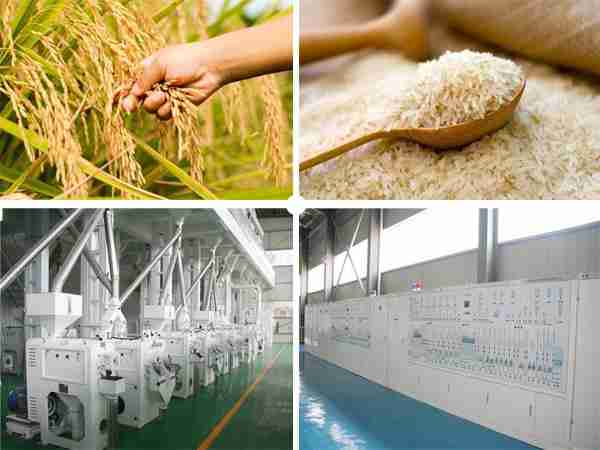
Exploring the Factors That Define Quality in Rice Milling
Rice milling is a delicate balance of art and science, where multiple factors contribute significantly to the quality of the final product. Grain quality, starting with the type of paddy used, directly impacts the milling process. Different varieties of rice have varying degrees of hardness, moisture content, and structural integrity, which influence how well they can be hulled and milled. Other essential elements include the milling technology employed, which can range from traditional stone mills to modern automated systems. Each method brings unique advantages and challenges that can either enhance or detract from the overall quality. Furthermore, the skill level of the operators plays a critical role in achieving consistent results, as their expertise can optimize milling settings for different types of rice.
Another crucial aspect to consider is post-milling processing. This includes the sorting, packaging, and storage of milled rice, all of which can affect quality. Proper sorting ensures that only the best grains reach consumers, while effective packaging maintains freshness and prevents contamination. Additionally, environmental factors such as humidity and temperature during storage can influence the longevity and quality of rice. Below is a brief summary of key factors that contribute to rice milling quality:
| Factor | Description |
|---|---|
| Grain Variety | Different paddy types affect milling yield and texture. |
| Milling Technology | Choices can range from traditional methods to advanced machinery. |
| Operator Skill | Expertise in adjusting mill settings ensures optimal processing. |
| Post-Milling Processing | Involves sorting and packaging to maintain product quality. |
| Storage Conditions | Humidity and temperature control are vital for preserving quality. |

Innovative Technologies Shaping Modern Rice Mills
The landscape of rice milling is evolving rapidly, thanks to cutting-edge technologies that streamline operations and improve grain quality. Modern mills are harnessing automation and smart technology, allowing for enhanced efficiency and precision. Robotics are being integrated into sorting processes, significantly reducing labor costs and minimizing human error. Additionally, advanced sensor systems are capable of monitoring moisture levels and grain quality in real-time, ensuring that the product meets strict industry standards while preserving its nutritional value.
Beyond automation, innovative machinery designs are also making waves in the market. Modular milling systems allow for flexible installation and expansion, accommodating the needs of both small and large-scale operations. The incorporation of eco-friendly technologies, such as energy-efficient milling equipment and waste recycling systems, is becoming increasingly popular, aiding mills in reducing their environmental footprint. To illustrate these factors, consider the following table that compares key features of notable rice mill technologies:
| Technology | Benefits | Impact on Quality |
|---|---|---|
| Robotics |
|
Reduces damage to grains |
| Sensor Systems |
|
Enhances nutritional retention |
| Modular Designs |
|
Better optimization of resources |
| Eco-Friendly Tech |
|
Promotes sustainable practices |

Sustainable Practices in the Rice Milling Industry
The rice milling industry has increasingly recognized the importance of minimizing its ecological footprint. By embracing sustainable practices, rice mills can not only enhance their efficiency but also contribute positively to the environment. Key initiatives include:
- Water Conservation: Mills are adopting advanced water recycling systems to reduce usage and pollution.
- Energy Efficiency: Implementing energy-efficient machinery and utilizing renewable energy sources, such as solar and wind, helps lower carbon emissions.
- Waste Management: Byproducts like husks and bran are being transformed into biofuels and organic fertilizers, maximizing resource utilization.
Furthermore, several mills are committed to obtaining certifications that verify their adherence to sustainable practices. This not only strengthens consumer trust but also encourages a market shift towards greener operations. Noteworthy certifications include:
| Certification | Focus Area |
|---|---|
| ISO 14001 | Environmental Management |
| Fair Trade | Ethical Sourcing |
| Organic Certification | Chemical-Free Production |
These practices and certifications signify a strong commitment to sustainability within the rice milling sector, allowing consumers to make informed choices while supporting environmentally friendly businesses.
Top Recommendations for Premium Rice Brands to Consider
When it comes to selecting premium rice brands, quality should be the utmost priority. Here are a few choices that consistently stand out for their exceptional flavor and texture:
- Sushi Rice Co. – Known for its sticky consistency, perfect for sushi and bowls.
- Royal Purple Rice – A high-nutrient choice with a delightful nutty flavor.
- 999 Rice - Celebrated for its long grains and delicate aroma, ideal for pilafs.
- California Medley – A blend of different rice that adds a flavor twist to your meal.
For those who seek variety, consider these intriguing options that also elevate any culinary experience:
| Brand | Type | Key Feature |
|---|---|---|
| Thai Jasmine Rice | Long Grain | Fragrant and floral aroma |
| Arborio Rice | Short Grain | Creamy texture, ideal for risotto |
| Basmalti Rice | Long Grain | Light, fluffy, and aromatic |
These premium brands and varieties reflect a commitment to quality, allowing you to discover the rich tapestry of flavors that rice can offer. By choosing the right brand, each meal can transform from ordinary to extraordinary.
Future Outlook
the world of rice mills is rich and varied, with each establishment offering unique qualities and innovations that can elevate your dining experience. Whether you’re a culinary enthusiast seeking the finest grains or a business in need of reliable suppliers, this comprehensive guide serves as a valuable resource in navigating the complexities of the rice milling industry. As you explore the top producers and their diverse offerings, remember that quality is not merely about the machinery used or the processing techniques employed; it’s also about the dedication to sustainability, community, and tradition that underpins each grain. With this knowledge at your fingertips, you can make informed choices that enhance both your meals and the stories behind them. Here’s to discovering the perfect rice that will bring flavor, texture, and authenticity to your table!




