
In the heart of culinary traditions across the globe, rice stands as a staple food, nourishing billions and inspiring countless dishes. However, the journey from paddy to plate is often a complex one, requiring not just skilled hands but also the right technology. The backbone of this transformation is the rice mill, a vital piece of equipment that can significantly impact the quality and efficiency of rice production. Choosing the best rice mill is not merely a matter of preference; it’s an investment that can enhance productivity, reduce waste, and ultimately elevate the standard of rice available to consumers. In this guide, we will explore the essential factors to consider when selecting a rice mill, ensuring that you make an informed decision that aligns with your goals. From understanding the different types of mills to evaluating their capacity and efficiency, join us on a journey to uncover the secrets of selecting the perfect rice milling solution.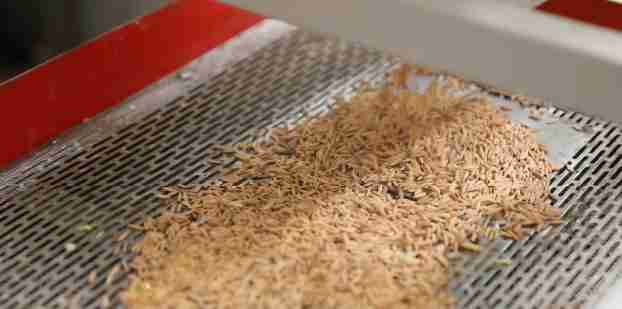
Understanding Your Rice Processing Needs
When embarking on the journey to choose the perfect rice mill, it’s essential to first assess your specific processing needs. Different grains may require different milling techniques, resulting in varying degrees of quality and output. Understanding these nuances will guide you in selecting machinery that aligns with your production scale, grain type, and desired quality outcomes. Consider the following factors:
- Production Volume: Estimate how much rice you intend to process on a daily basis.
- Type of Rice: Identify whether you will be milling white rice, brown rice, or specialty varieties.
- Desired End Product: Decide if you require whole grain rice, rice flour, or possibly instant rice.
- Quality Standards: Determine the quality requirements based on your market or customer expectations.
After outlining your needs, the next step is evaluating the features that modern rice mills offer. Investing in the right technology can vastly improve both efficiency and quality. Look for mills that include advanced features such as:
- Automated Settings: These allow for consistency in output.
- Energy Efficiency: Reduces operational costs while minimizing the environmental footprint.
- Easy Maintenance: Select mill types that are easier to clean and maintain to ensure longevity and performance.
| Feature | Benefit |
|---|---|
| Automated Control | Ensures precise milling, reducing waste. |
| High Processing Speed | Increases output, meeting demand effectively. |
| Built-in Dust Control | Promotes a safer working environment. |
| Modular Design | Facilitates easy upgrades as needs evolve. |

Evaluating Mill Types for Optimal Performance
When selecting a rice mill, understanding the different types and their functionalities is crucial for ensuring optimal performance. Various mill types offer distinct benefits that cater to specific processes. For instance, modern automated mills streamline production with precision technology, while traditional stone mills may deliver unique flavors appreciated in artisanal rice production. Additionally, multi-functional mills provide versatility, allowing operators to handle various grains, which can maximize productivity and reduce equipment costs. By examining the capabilities and characteristics of each mill type, you can better align the machinery with your operational goals.
Another critical aspect to consider is the milling process efficiency, which greatly impacts production rates and end quality. Evaluating factors such as energy consumption, maintenance requirements, and output consistency will help in making an informed decision. A well-designed mill can significantly reduce waste and improve the overall yield. Here are essential criteria to compare:
| Mill Type | Efficiency | Power Consumption | Output Quality |
|---|---|---|---|
| Automated Mill | High | Moderate | Excellent |
| Stone Mill | Low | Low | Unique Flavor |
| Multi-functional Mill | Moderate | Moderate | Good |
By carefully weighing these factors and their implications, you can identify the best rice mill that not only meets production demands but also enhances the quality of the final product.
Key Features to Look for in Quality Rice Mills
When selecting a rice mill, it’s essential to evaluate several critical features that ensure both quality and efficiency in processing. Look for a milling machine that incorporates advanced technology, such as precision control systems that enhance the milling process. This type of technology minimizes grain damage, resulting in higher yields and better-quality rice. Additionally, consider the capacity of the mill; it should match your production needs without compromising performance. A well-designed mill will also come equipped with easy maintenance access, which simplifies upkeep and minimizes downtime.
Another vital aspect to consider is energy efficiency. Opt for rice mills that utilize modern power-saving technologies, as they reduce operational costs while supporting environmentally friendly practices. A reliable rice mill should also feature multifunctionality, allowing the processing of different rice varieties and by-products, thus increasing your market potential. Lastly, assess the after-sales support and warranty offered by the manufacturer, as these can significantly impact your overall satisfaction and longevity of the mill in your operations.
| Feature | Description |
|---|---|
| Advanced Technology | Enhances milling precision and yield |
| Capacity | Should align with production demands |
| Energy Efficiency | Reduces operational costs and environmental impact |
| Multifunctionality | Processes various rice types and enables by-product processing |
| After-sales Support | Ensures maintenance and long-term satisfaction |
Maintaining Efficiency: Storage and Maintenance Tips
Maintaining the efficiency of your rice mill is crucial for maximizing both productivity and quality. One of the first steps in ensuring smooth operation is to optimize storage solutions. Proper storage not only protects your equipment from environmental damage but also extends its lifespan. Consider investing in climate-controlled storage units that shield your mill from excessive moisture and temperature fluctuations. Regularly inspect and organize your storage space to prevent clutter, which can lead to operational inefficiencies. Here are some essential tips for effective storage:
- Clear labeling: Make sure all tools, parts, and raw materials are clearly labeled for quick identification.
- Regular cleaning: Implement a monthly cleaning schedule to remove dust and debris that can cause wear and tear.
- Inventory checks: Conduct regular inventory assessments to ensure you always have necessary parts on hand without cluttering the space.
Just as crucial as proper storage is routine maintenance, which can significantly reduce downtime. Establish a maintenance checklist to monitor the condition of your rice mill regularly. This should include inspections of essential components such as motors, belts, and gearing systems. Additionally, keep a log to track any repairs or replacements, ensuring that issues are addressed before they escalate. The following table outlines key maintenance tasks and their recommended frequency:
| Maintenance Task | Frequency |
|---|---|
| Inspect belts and pulleys | Monthly |
| Oil moving parts | Bi-monthly |
| Check electrical connections | Quarterly |
| Clean air filters | Monthly |
Insights and Conclusions
selecting the right rice mill is a decision that extends beyond mere machinery; it embodies a commitment to quality and efficiency in every grain processed. By considering factors such as the specific needs of your operation, technology, capacity, and maintenance, you empower yourself to make an informed choice that will resonate throughout your production line. Whether you are a small farmer or a large-scale rice producer, the right mill will not only enhance the quality of your product but also streamline your workflow, ultimately contributing to sustainable growth and profitability. As you embark on this journey, remember that investing in a quality rice mill today paves the way for a bountiful harvest tomorrow. Choose wisely, and may your future be as rich as the rice you produce.




