
In the world of agriculture and food processing, few staples are as ubiquitous as rice. From the fragrant basmati of Indian kitchens to the sticky sweet grains of sushi rice, this versatile crop is an essential ingredient for billions. However, behind the scenes of this culinary cornerstone lies a critical piece of machinery: the rice mill. Choosing the right rice mill can significantly impact the quality and efficiency of your production, making it crucial for farmers, processors, and entrepreneurs alike. In this comprehensive guide, we’ll navigate the multifaceted landscape of rice milling equipment. Whether you’re a seasoned professional or a newcomer to the industry, this article will illuminate the factors that influence your choice, helping you select a rice mill that best meets your needs and aspirations. Join us as we explore the intricacies of rice milling, from technology and capacity to cost and sustainability, ensuring that you make an informed decision that will serve you well for years to come.
Understanding Different Types of Rice Mills and Their Functions
Rice mills play a pivotal role in the processing of one of the world’s staple foods. Traditional rice mills operate on simple technology, typically using wooden or wooden-based machines to husk rice manually. This type ensures minimal processing, retaining the natural flavor and nutrients. Modern rice mills, on the other hand, leverage advanced technology for efficient processing. These mills include huskers, polishers, and separators in one system, which significantly reduces labor costs and time. Additionally, with the integration of automatic systems, modern rice mills require minimal human intervention, thus enhancing productivity and throughput.
Understanding the different functionalities of rice mills is crucial for making an informed choice. For instance, a multi-functional rice mill is designed to perform multiple tasks, including de-husking, polishing, and grading. Conversely, a specialized rice mill focuses on a single function, such as merely de-husking or polishing. Moreover, the choice between organic and conventional rice mills is increasingly essential, as organic mills ensure the rice retains its health benefits without chemical exposure. When considering your options, pay attention to aspects like capacity, energy consumption, and maintenance requirements to ensure the rice mill chosen aligns with your production needs.
Key Features to Look for When Selecting a Rice Mill
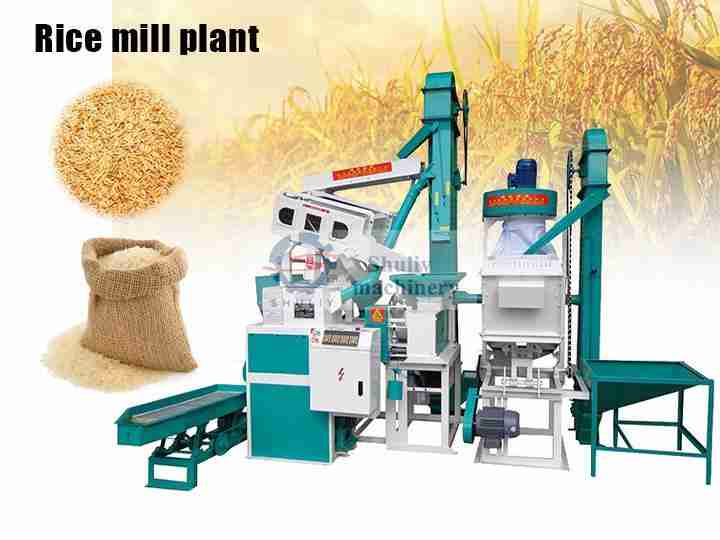
When selecting a rice mill, consider the capacity and efficiency that aligns with your production needs. It’s essential to assess the mill’s output rate, which should match your processing volume to ensure operational efficiency. A higher capacity mill usually comes with advanced technology that minimizes energy consumption and increases productivity. Additionally, the durability and maintenance of the equipment should not be overlooked; opting for robust materials and reliable engineering can lead to a longer lifespan and reduced downtime. Furthermore, evaluate the ease of cleaning and servicing to maintain optimal cleanliness and hygiene standards during rice processing.
Another crucial aspect is the technological features that a mill offers. Look for options equipped with automated systems that enhance precision in milling, as well as mechanisms that minimize breakage and improve grain quality. Adaptability is also key; ensure the rice mill can handle various types of rice, from white to brown, without compromising processing efficiency. consider the support and warranty provided by the manufacturer; a robust support system can make a significant difference in operational continuity and peace of mind.
Assessing Budget and Operational Costs for Rice Milling Equipment
When venturing into the rice milling business, evaluating both budget and operational costs is crucial for making an informed investment. Understanding these costs allows you to align your budget while ensuring you are well-equipped to manage your operational needs effectively. Here are some core aspects to focus on:
- Initial Equipment Costs: This includes the price of the rice milling machine, freight to your location, and any installation fees that may be required.
- Maintenance and Repairs: Ongoing maintenance plays a vital role in the longevity and performance of your equipment. Factor in regular service, replacement parts, and unexpected repairs.
- Energy Consumption: Analyze the energy efficiency of your milling equipment; electricity costs can significantly impact your operating budget over time.
- Labor Costs: Assess the number of operators you will employ and their salaries, including any training expenses needed for effective operation.
To help clarify overall costs, it’s helpful to create a simple budget overview that will allow for better financial planning. The following table summarizes potential costs:
| Cost Item | Estimated Monthly Cost (USD) |
|---|---|
| Initial Equipment Purchase | $15,000 |
| Maintenance & Repairs | $200 |
| Electricity | $350 |
| Labor | $2,000 |
By bringing these factors into light, you can paint a clearer picture of the financial commitment involved in rice milling. A thorough analysis not only aids in determining the best equipment but also ensures that you remain financially sound throughout your operational journey.
Recommendations for Top Brand Choices in Rice Mills
When selecting a rice mill, exploring reputable brands is essential to ensure quality and efficiency. Several manufacturers stand out for their innovative technology and durable designs. Brand X is known for its user-friendly interface and energy-efficient systems, making it ideal for small and medium-scale operations. Brand Y, with its robust construction and advanced milling techniques, provides superior quality output that meets the needs of commercial rice producers.
Consider also looking into the options offered by Brand Z, which combines affordability with high performance, catering perfectly to first-time rice mill buyers. Their models often integrate multiple functionalities, allowing you to streamline your production process. Here’s a brief comparison of some top brands to help with your decision:
| Brand | Key Features | Ideal Use |
|---|---|---|
| Brand X | Energy-efficient, user-friendly | Small to medium operations |
| Brand Y | Robust construction, advanced techniques | Commercial production |
| Brand Z | Affordable, multi-functional | First-time buyers |
By looking at reliable brands and their unique features, you can make a well-informed choice that aligns with your milling needs and budget. Prioritizing brands with positive reviews and proven customer satisfaction will further enhance your rice milling experience.
Final Thoughts
choosing the best rice mill is a decision that goes beyond mere functionality; it’s a significant step towards ensuring the quality and efficiency of your rice processing. As we’ve explored throughout this guide, understanding your specific needs, evaluating various features, and considering factors such as capacity, durability, and maintenance will empower you to make an informed choice. As you embark on this journey, remember that the right rice mill can transform not just the grain, but the entire process—from harvest to market. May your investment lead to fruitful yields and the satisfaction of knowing you’ve chosen wisely. Happy milling!




