
In the intricate tapestry of food production, one could argue that grains serve as the thread that binds cultures, nourishes communities, and sustains life. Among the various stages of grain processing, rice stands out as a staple that feeds billions across the globe. Yet, what happens behind the scenes of this essential crop? Enter the rice milling unit—the often-overlooked hub where raw paddy transforms into the polished grains that grace our tables. In this article, we embark on a journey to unveil the intricacies of the rice milling unit, exploring its pivotal role in the grain processing chain, the technology that powers it, and the innovations shaping its future. Join us as we delve into the heart of rice milling, where tradition meets modernity, and discover how this vital unit not only impacts food security but also shapes economies and livelihoods worldwide.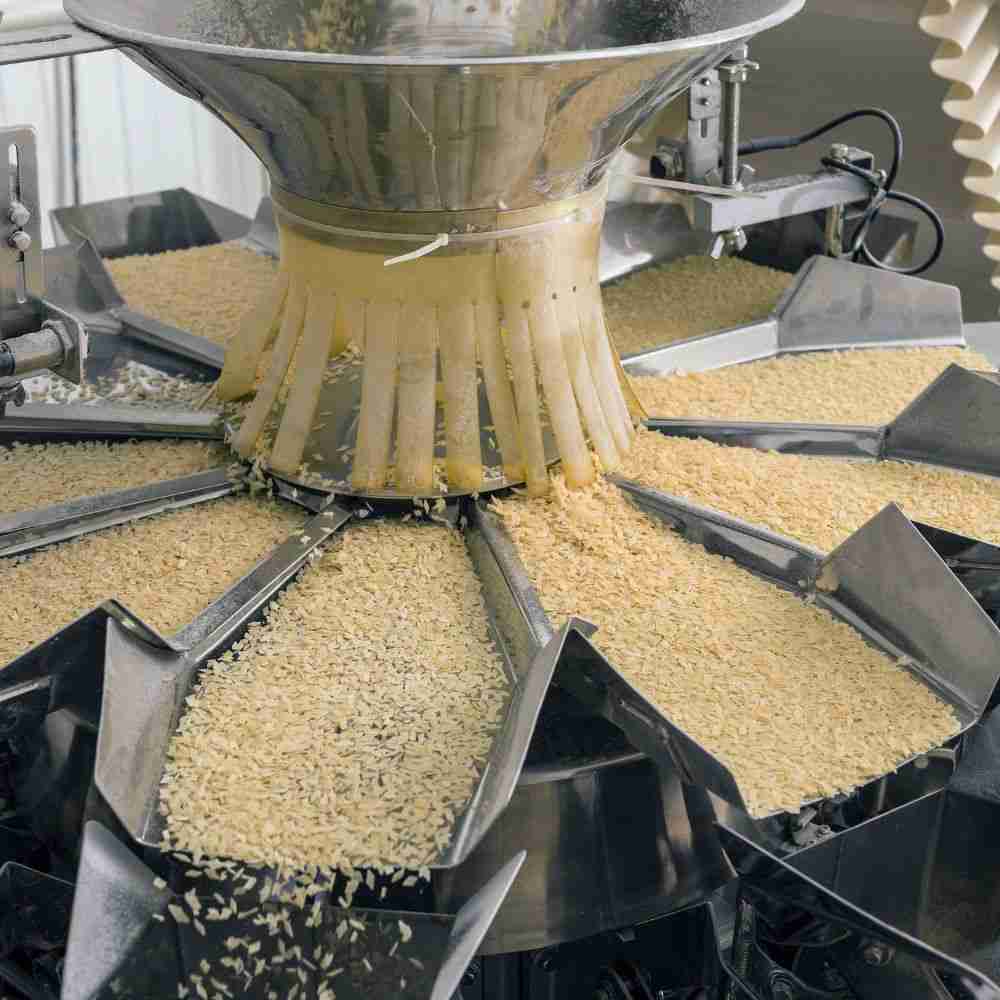
Exploring the Essential Functions of a Rice Milling Unit
At the core of any successful rice production operation lies the rice milling unit, a sophisticated facility designed to transform paddy into market-ready rice. The journey begins with cleaning, where impurities such as stones, dust, and broken grains are meticulously removed to ensure a high-quality end product. Following this, husking plays a crucial role in shelling the paddy to separate the husk from the brown rice. This step is essential as it reduces the weight of the final product while also impacting its cooking quality and appearance. After husking, the rice undergoes milling, where it is further polished to produce white rice, enhancing its texture and taste, a step that often involves intricate machinery designed for optimal results.
Moreover, a rice milling unit will typically incorporate several other essential functions that streamline the processing procedure. Among these are grading, where rice is sorted based on size and quality; de-stoning, a significant step to remove any remaining foreign materials; and packaging, crucial for preserving freshness and facilitating storage. The integration of quality control measures guarantees compliance with health standards, ensuring that every grain meets the required specifications. Below is a simplified table that summarizes these key functions:
| Function | Description |
|---|---|
| Cleaning | Removal of impurities from paddy. |
| Husking | Separation of husk from brown rice. |
| Milling | Transforming brown rice into polished white rice. |
| Grading | Sorting rice by size and quality. |
| De-stoning | Removal of stones and foreign materials. |
| Quality Control | Ensuring compliance with health standards. |
| Packaging | Preserving freshness for distribution. |

Key Technologies Driving Modern Rice Processing Efficiency
Modern rice processing has witnessed a transformative evolution driven by innovative technologies that enhance efficiency and yield. Automated milling systems are at the forefront, utilizing cutting-edge robotics and artificial intelligence to streamline operations and minimize human error. These systems are equipped with precise sensors that monitor grain quality, allowing for real-time adjustments in milling parameters. The integration of IoT (Internet of Things) devices facilitates seamless communication between machinery, ensuring optimized performance through predictive maintenance and data analytics. This connectivity enables mill operators to enhance productivity while reducing downtime and resource consumption.
Furthermore, advanced sorting and grading technologies play a crucial role in ensuring high-quality end products. Utilizing machine learning algorithms, these systems can differentiate between various rice qualities and sort them accordingly, ensuring that only the best grains reach consumers. Another significant advancement is in energy-efficient machinery, which reduces the carbon footprint of the milling process while cutting operational costs. the combination of these technologies not only caters to the growing demand for rice in a sustainable manner but also supports millers in achieving higher profit margins through improved efficiency.
| Technology | Description |
|---|---|
| Automated Milling Systems | Robotics and AI improve precision and reduce human errors. |
| IoT Devices | Real-time monitoring enhances productivity and reduces downtime. |
| Sorting Technologies | Machine learning improves quality control through advanced sorting. |
| Energy-efficient Machinery | Reduces environmental impact while lowering operational costs. |
Best Practices for Maintaining Optimal Grain Quality
Ensuring the quality of grain, particularly rice, throughout the milling process is paramount for both producers and consumers. One of the most effective strategies is to maintain optimal moisture content, as it significantly influences the final product’s taste and shelf life. Keeping the grains in a well-ventilated area also helps prevent mold and spoilage. Additionally, employing regular quality inspections can identify potential issues before they affect the grain’s integrity. Establishing a good relationship with suppliers can also ensure a consistent flow of high-quality raw materials.
Another crucial practice involves temperature control during storage and processing. High temperatures can lead to the degradation of nutritional value and flavor. Using insulated storage units can help regulate temperature more effectively. Furthermore, the implementation of a cleaning regimen for both equipment and the milling area can significantly minimize contamination risks. Regular maintenance of machinery not only prolongs the life of the equipment but also enhances efficiency, thus contributing to better overall grain quality.
Future Trends and Innovations in Rice Milling Operations
As the demand for rice continues to surge globally, milling operations are witnessing transformative changes driven by technology and innovation. Emerging trends, such as smart milling systems, are increasingly integrating Internet of Things (IoT) capabilities that allow for real-time data monitoring and analytics. This shift enables mill operators to optimize production efficiency, reduce waste, and improve the quality of the final product. Additionally, advancements in automation and robotics are paving the way for highly efficient milling processes that minimize labor costs while enhancing precision and consistency in grain processing.
Another significant trend is the focus on sustainability in rice milling operations, spearheaded by eco-friendly technologies and practices. Modern mills are adopting energy-efficient machinery that not only reduce carbon footprints but also lower operational costs. Furthermore, innovations in waste management, such as utilizing by-products for bioenergy generation, are becoming prominent. These changes support the circular economy, where by-products are treated as raw materials for other applications, fostering a more sustainable and responsible approach to rice milling.
| Trend/Innovation | Description |
|---|---|
| Smart Milling Systems | Real-time data monitoring for efficiency and quality control. |
| Automation & Robotics | Increased precision and reduced labor costs in milling operations. |
| Sustainability Initiatives | Focus on eco-friendly technologies to minimize environmental impact. |
| Waste Management | Utilizing milling by-products for bioenergy and other uses. |
In Retrospect
As we draw the curtains on our exploration of the rice milling unit, it becomes evident that this machinery is more than just a collection of gears and belts; it is a vital organ in the body of grain processing. Serving as the catalyst for transformation, the unit harmonizes the journey from raw paddy to polished rice, ensuring that each grain is not only a source of sustenance but also a testament to human ingenuity and craftsmanship.
In our quest to understand the intricacies of this essential system, we have unveiled the myriad processes that occur within its walls, from dehusking to whitening, each step meticulously designed to preserve quality and enhance nutritional value. The rice milling unit stands at the intersection of tradition and technology, marrying age-old practices with innovative solutions, paving the way for the future of food production.
As we conclude our journey, let us appreciate the rice milling unit’s role in food security and its impact on daily lives across the globe. This silent workhorse may often go unnoticed, but its contributions resonate far beyond the confines of the mill. In recognizing its importance, we not only celebrate the grains it processes but also the communities it sustains and the economies it supports. Here’s to the humble grain, and to the unseen labor that elevates it to our tables.




