
Unveiling the rice mill plant: A Hub of Grain Transformation
In the heart of agricultural landscapes, where golden fields sway under the gentle caress of the wind, lies a transformative powerhouse: the rice mill plant. These vital facilities act as the bridge between the harvest and the table, reshaping raw grains into the fragrant, polished rice that graces our plates. But beyond their functional purpose, rice mills embody a fascinating interplay of tradition and technology, efficiency and sustainability. As we pull back the curtain on these intricate hubs of grain transformation, we invite you to explore the processes that elevate humble paddies into culinary staples, the innovative machinery that drives productivity, and the communities that rely on this essential trade. Join us as we delve into the world of rice milling, uncovering the stories behind the grains that nourish us and the mills that make it all possible.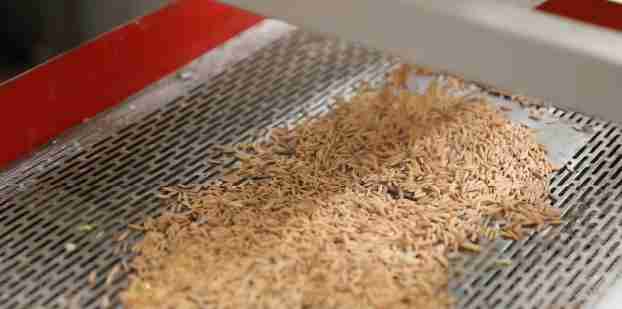
Exploring the Mechanics of Rice Milling Technology
The intricacies of rice milling technology reveal a fascinating interplay between engineering precision and agricultural practice. At the heart of this process lies a sequence of well-orchestrated operations designed to transform raw paddy into polished grains. Utilizing a series of machines, each specializing in specific tasks, the milling process can be broken down into several key components:
- Cleaning: The initial step that involves removing impurities, such as stones, dust, and other foreign materials.
- Husking: A critical phase where the outer husk is removed from the paddy, resulting in brown rice.
- Milling: The actual polishing phase, in which brown rice is further processed to remove bran layers and achieve the desired whiteness.
- Polishing: Enhancing the grain’s appearance and texture, often involving finer adjustments for optimal quality.
- Packaging: the rice is bagged and prepared for market distribution, ensuring freshness and quality preservation.
Each stage is governed by precise machinery that ensures efficiency and consistency. For instance, the husker employs a pneumatic system to guarantee minimal grain breakage, thereby maximizing yield. Furthermore, modern rice mills often incorporate advanced computerized controls that monitor and adjust parameters in real time, significantly improving the milling quality. The integration of these sophisticated systems has revolutionized the rice processing industry, enabling mills to operate at unprecedented levels of productivity and precision.
| Machine Component | Function |
|---|---|
| Cleaner | Eliminates foreign materials |
| Husker | Removes the outer husk |
| Mill | Polishes brown rice |
| Polisher | Enhances grain appearance |
| Packager | Prepares rice for distribution |

The Economic Impact of Rice Mill Plants in Local Communities
The establishment of rice mill plants plays a pivotal role in shaping the economic landscape of local communities. These facilities serve as essential catalysts for growth, fostering job creation and increasing local incomes. By providing employment opportunities across various skill levels, they contribute to both direct and indirect economic activities. Individuals gain stable jobs, while nearby businesses—such as suppliers, transporters, and retailers—benefit from the ensuing surge in demand. In many cases, the multiplier effect of a rice mill’s presence ripples through the community, enhancing overall economic resilience.
Furthermore, rice mill plants significantly influence agricultural productivity by providing farmers with access to modern processing techniques. This modernity translates into improved quality and yields, which, in turn, boosts farmers’ profitability. The economic impact is further reflected through various avenues, including:
- Increased local investment: Revenues from rice processing reinvested into the community stimulate other sectors.
- Value addition: Farmers are able to sell higher-quality produce at better prices.
- Food security: Enhanced processing capabilities contribute to more stable food supplies.
| Impact Area | Economic Benefit |
|---|---|
| Job Creation | Increased employment in milling and support services |
| Farmer Income | Higher selling prices for processed rice |
| Local Business Growth | Boost in sales for suppliers and local vendors |
Sustainability Practices in Grain Processing Operations
In the quest for environmental stewardship, modern rice mill plants are adopting an array of innovative practices that significantly minimize their ecological footprint. Emphasizing energy efficiency, these facilities often employ state-of-the-art machinery designed to consume less power while maximizing output. The installation of renewable energy sources, such as solar panels, has become increasingly prevalent, allowing mills to harness nature’s energy for their processing needs. Additionally, waste management techniques such as composting by-products and recycling water used during processing demonstrate an earnest commitment to sustainable operations.
Furthermore, the implementation of sustainable sourcing practices ensures that the raw materials used in production come from environmentally responsible farms. Many mills are forming partnerships with local farmers who implement modern, eco-friendly farming methods, reducing pesticide usage and promoting biodiversity. Through educational initiatives and community engagements, these mills are empowering farmers to adopt practices that contribute to soil health and ecological balance. Coupled with meticulous monitoring systems, these advancements illustrate how a rice mill plant can serve as a vital hub not just for grain transformation, but also for promoting sustainable agriculture within the surrounding communities.
Future Innovations Shaping the Rice Milling Industry
As the rice milling industry evolves, innovations are becoming the driving force behind more efficient and sustainable practices. One of the significant advancements is the integration of smart technology within milling operations. From automated sorting systems that ensure consistent quality to sophisticated moisture control equipment, these innovations not only enhance productivity but also reduce waste. Sensor technology allows mill operators to monitor grain quality in real-time, leading to better handling and processing methods that optimize every kernel.
Another noteworthy trend is the push toward sustainability in rice milling. Businesses are increasingly adopting green technologies to minimize their environmental footprint. Innovations such as biomass energy systems leverage by-products from milling processes to generate energy, creating a closed-loop system that significantly cuts costs. Additionally, advancements in water recycling technologies are allowing mills to use processed water for irrigation, promoting a circular economy in agriculture. With these emerging technologies, the future of rice milling is poised to not only feed a growing population but also protect the planet.
Concluding Remarks
As we draw the curtain on our exploration of the rice mill plant, it’s clear that this vital hub is much more than a facility for grain processing; it embodies the intricate dance between tradition and innovation. From the relentless whir of machinery to the timeless rituals of rice cultivation, each facet of the rice mill reveals a story of transformation—turning raw, unassuming grains into a staple that nourishes millions worldwide.
In this dynamic environment, technology and craftsmanship unite to enhance productivity and efficiency, ensuring that the pulse of rice production beats consistently and sustainably. As we look to the future, the importance of such facilities cannot be overstated; they are cornerstones of food security, economic growth, and cultural heritage.
Thus, the rice mill plant stands as a testament to human ingenuity and resilience, continuing to serve as a crucial link in the agricultural chain. Whether you’re a farmer, a consumer, or simply an admirer of fine grains, understanding the processes at play within these walls opens up a greater appreciation for the complexities of our food systems. As we leave the world of rice mill plants behind, let’s carry with us the knowledge that every grain tells a story—one that starts with a simple seed and transforms into sustenance for countless lives.




