
In an age where sustainability is not just a trend but a necessity, innovative solutions are emerging to address the challenges of food production and waste management. One such groundbreaking development is the 2-Ton rice mill plant, a venture that promises to redefine how we approach rice milling while prioritizing eco-friendly practices. This article delves into the intricate workings, benefits, and implications of this sustainable initiative, exploring how it aims to enhance efficiency, support local economies, and reduce environmental impact in the rice production industry. Join us as we unveil the features and potential of this remarkable plant, setting the stage for a greener future in agriculture.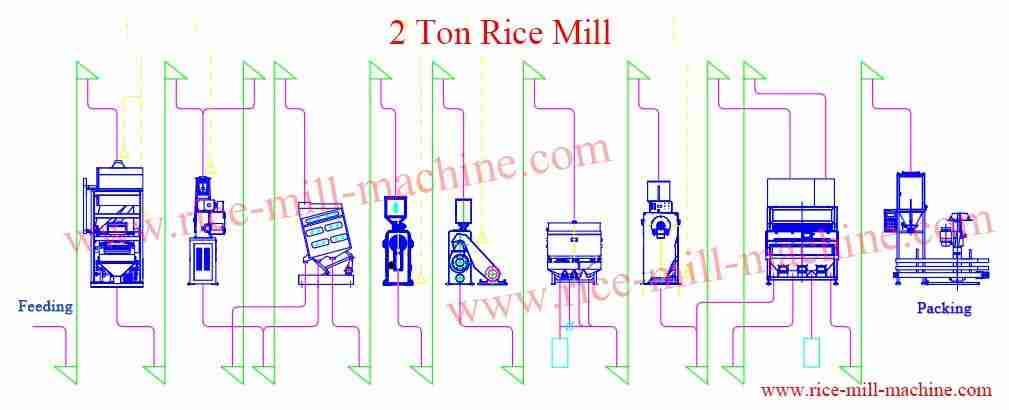
Understanding the Impact of a 2-Ton rice mill plant on Local Economies
Establishing a 2-ton rice mill plant can serve as a catalyst for economic transformation within local communities. By generating employment opportunities, this sized facility can significantly reduce unemployment rates, often attracting individuals from various backgrounds. Direct jobs are created not only at the milling plant but also indirectly in sectors like transportation, packaging, and distribution. The presence of such a mill can enhance the local agricultural economy as farmers gain direct access to milling services, leading to less wastage of their produce and better returns on investment. This interconnected growth fosters a vibrant cycle of income generation and reinvestment within the community.
The economic ripple effects extend beyond employment and farming. As local farmers and suppliers see increased stability and profits, household income rises, empowering families to invest in education, healthcare, and other essential services. Moreover, the mill’s operational partnerships with local businesses can lead to a boost in entrepreneurial ventures, providing a platform for side businesses like agro-processing, retail, and logistics. Below is a summary of the potential benefits of a 2-ton rice mill plant:
| Economic Impact | Details |
|---|---|
| Job Creation | Direct and indirect employment opportunities in various sectors. |
| Increased Income | Higher profits for local farmers leading to improved household income. |
| Business Growth | Encouragement of local entrepreneurship and support for small businesses. |
| Community Development | Investments in education, healthcare, housing, and infrastructure improvements. |
Innovative Technologies in Rice Milling: Enhancing Efficiency and Sustainability
The integration of innovative technologies in rice milling not only transforms production methods but also drives sustainability efforts that are vital in today’s world. The emergence of a 2-ton rice mill plant showcases this shift, designed with state-of-the-art machinery that optimizes processing efficiency. Features such as automated sorting systems ensure quality control while reducing waste, enabling millers to maximize yield and minimize spoilage. Alongside this, advanced dust collection systems improve working conditions and environmental compliance, promoting a healthier workplace and reducing the plant’s carbon footprint.
Moreover, the use of renewable energy sources such as solar and biomass in these milling operations reflects a commitment to sustainability. Incorporating energy-efficient technologies can significantly lower operational costs while promoting eco-friendly practices. A notable implementation includes the use of a water recycling system, which helps conserve resources and mitigate water scarcity issues often faced in agricultural sectors. To illustrate the benefits of this modern approach, the table below highlights the key features and advantages of the 2-ton rice mill plant:
| Feature | Advantage |
|---|---|
| Automated Sorting | Enhanced quality control |
| Dust Collection | Improved air quality |
| Renewable Energy | Cost-effective & eco-friendly |
| Water Recycling | Resource conservation |
Best Practices for Operating a Small-Scale Rice Mill Plant
Operating a small-scale rice mill plant effectively requires a blend of strong management practices and technical knowledge. Ensuring optimal efficiency starts with regular maintenance of equipment to minimize breakdowns and prolong the lifespan of the machinery. It’s also crucial to prioritize staff training; well-informed employees contribute significantly to productivity and quality. Establish a routine that includes:
- Daily checks on machinery and tools
- Weekly training sessions to keep skills sharp
- Monthly reviews of operational performance
Additionally, understanding the supply chain dynamics plays a vital role in maximizing output. Cultivating relationships with local farmers ensures a steady supply of high-quality paddy, while also supporting the community. Implementing sustainable practices should focus on effective waste management and utilizing by-products to create value. Consider establishing a systematic approach, as outlined in the table below:
| By-Product | Potential Use |
|---|---|
| Rice Husk | Biofuel or animal bedding |
| Rice Bran | Food products and supplements |
| Broken Rice | Snack foods or pet food |
Recommendations for Funding and Support in Sustainable Agribusiness Initiatives
To ensure the viability and expansion of the 2-ton rice mill plant, securing adequate funding and support is crucial. This initiative can benefit greatly from partnerships with financial institutions that prioritize investments in sustainable projects. Additionally, engaging with governmental agencies and NGOs that offer grants specifically tailored for agribusiness can provide a solid financial foundation. Other strategic recommendations include:
- Engagement with local cooperatives: Collaborating with farmer cooperatives can lead to shared resources and collective bargaining power.
- Exploring crowdfunding platforms: Sustainable ventures often attract individuals interested in environmental conservation, making crowdfunding a viable option.
- Accessing impact investment funds: Targeting impact investors who focus on sustainable agriculture can secure both funding and mentorship.
- Developing a comprehensive business plan: A robust business plan detailing the sustainable practices and long-term impact of the rice mill can be persuasive in garnering support.
Moreover, it is vital to foster a strong community presence to attract local support and potential investors. Hosting workshops can raise awareness regarding the sustainability benefits of the rice mill, drawing in stakeholders interested in augmenting their community’s agricultural resilience. Additional recommendations for building a support structure include:
- Forming alliances with research institutions: Collaborating with universities can provide valuable insights into innovative farming techniques.
- Participating in agricultural fairs: Showcasing the benefits of the mill can pique interest among potential funders and partners.
- Utilizing social media campaigns: Effective use of social media can amplify the initiative’s message, attracting eco-conscious investors.
| Funding Source | Type of Support |
|---|---|
| Government Grants | Financial assistance for sustainable practices |
| NGOs | Training and capacity building |
| Impact Investors | Capital investment and mentorship |
| Crowdfunding Platforms | Community-driven funding for projects |
To Wrap It Up
As we draw the curtains on our exploration of the 2-Ton rice mill plant, it becomes clear that this venture is more than just a facility for processing grains; it is a blueprint for sustainable agriculture and a step towards a more eco-conscious future. With its innovative design and commitment to environmentally friendly practices, this rice mill stands as a testament to what can be achieved when technology and sustainability work hand in hand.
As we turn our gaze toward the horizon of food production, the lessons learned from such initiatives illuminate our path forward. They remind us that every kernel of rice processed not only binds us to our agricultural roots but also propels us into a future where industry and ecology can coexist harmoniously. The 2-Ton rice mill plant invites us all to participate in this journey, urging farmers, investors, and communities alike to envision a world where sustainability is at the heart of every harvest.
In the grand scheme, this venture serves as a catalyst for change, encouraging us to rethink our relationship with the land and the resources we consume. As we move beyond merely unveiling a mill, we are embracing a vision—one where agriculture not only feeds us but nurtures our planet for generations to come. In the whispers of the breeze through the rice fields, there lies a promise: a sustainable future is within our reach, waiting to be cultivated.




