
Unlocking Potential: The Rise of Rice Milling Units
In a world that constantly seeks innovation and enhancement, the agricultural sector stands at the forefront of transformation—with rice milling units emerging as pivotal players in this evolution. Once viewed merely as functional machinery, these units have quietly revolutionized the landscape of rice production, processing, and distribution. As global demand for rice surges alongside shifting culinary trends and dietary patterns, the rice milling industry has responded with remarkable adaptability and ingenuity. This article delves into the vital role that rice milling units play in unlocking the full potential of this staple crop, exploring how advancements in technology, sustainability practices, and economic growth are reshaping the rice milling landscape. Join us as we explore the dynamics of this burgeoning sector—an area where tradition meets modernity, and where the humble grain becomes a beacon of opportunity for farmers, entrepreneurs, and consumers alike.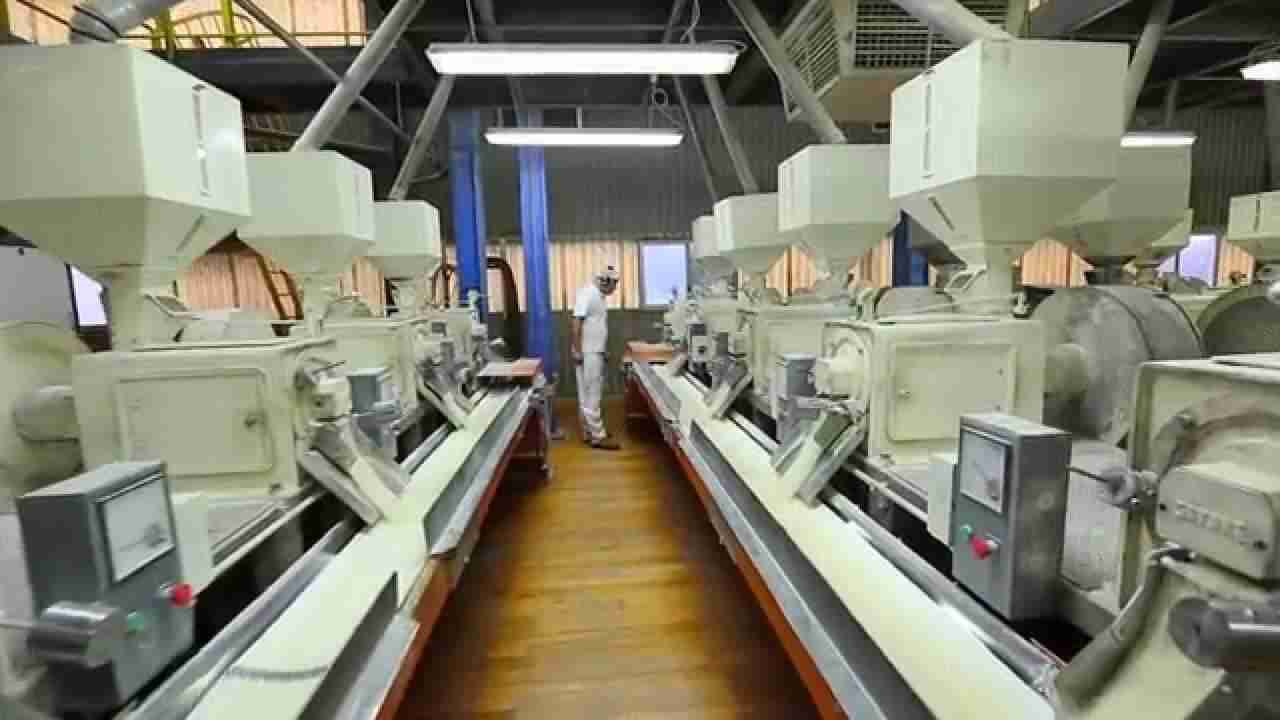
Emerging Trends in Rice Milling Technology
The rice milling industry is witnessing a profound transformation, driven by innovative technologies that enhance efficiency and productivity. This evolution includes the adoption of automation and smart processing systems, which integrate advanced sensors and machine learning to optimize milling processes. These modern systems not only reduce labor costs but also enhance grain quality by minimizing breakage and maximizing yield. Additionally, the use of energy-efficient machinery is becoming the norm, helping producers meet sustainability goals and reduce their carbon footprint. The integration of IoT (Internet of Things) allows for real-time monitoring and analytics, providing mill operators with critical insights for operational improvements.
Furthermore, emerging trends indicate a growing emphasis on traceability and quality assurance within the rice supply chain. Innovative milling units are now leveraging blockchain technology to ensure transparency from farm to fork, allowing consumers to access vital information about the rice’s origin and processing practices. Another notable advancement is the development of customizable milling solutions, enabling rice producers to tailor their operations according to specific market demands and consumer preferences. This adaptability is crucial in a rapidly changing marketplace, fostering resilience and competitive edge. Collectively, these trends are reshaping the rice milling landscape, unlocking new potential for growth and efficiency.

Economic Impact of Local Rice Milling Units
The establishment of local rice milling units has unveiled a myriad of opportunities for economic growth within communities. By providing jobs to local laborers, these units stimulate employment, thereby enhancing the overall economic health of the region. Additionally, they create a ripple effect in the local economy through:
- Increased Income: Farmers receive better prices for their unhusked rice, while millers benefit from value-added products.
- Supply Chain Development: Local milling fosters connections between farmers, suppliers, and retailers.
- Community Investment: Profits can be reinvested back into local infrastructure and services.
The economic impact extends beyond immediate job creation. As these milling units increase operational efficiency, there is a notable reduction in post-harvest losses, aiding food security. Moreover, they contribute to local food processing, which can result in expanded market opportunities for agricultural products. A simplified comparison of economic benefits illustrates this clearly:
| Benefit | Impact |
|---|---|
| Job Creation | Enhanced local employment opportunities |
| Increased Local Earnings | Higher income generation for farmers and millers |
| Enhanced Food Security | Reduction in post-harvest waste |
Sustainability Practices in Modern Rice Processing
Modern rice processing has embraced a multitude of eco-friendly practices designed to minimize environmental impact while maximizing efficiency. Key practices include water conservation, which focuses on reducing the extreme water usage typically associated with rice cultivation and milling. Techniques such as recirculating systems and drip irrigation not only save water but also enhance crop yield quality. Additionally, energy-efficient machinery is becoming increasingly popular; these machines utilize less power and can be integrated with renewable energy sources, such as solar and wind power, creating a more sustainable processing environment. Furthermore, many rice milling units are investing in waste management solutions that ensure by-products, like husks and bran, are recycled or repurposed for animal feed, fertilizers, or even biofuel production.
Another area where sustainability is making strides is in packaging innovations. Milling units are now opting for biodegradable and recyclable materials as opposed to conventional plastic packaging, thereby reducing landfill waste. Education and community engagement also play vital roles; processors are increasingly working with farmers to promote sustainable agricultural practices, focusing on reducing chemical inputs and encouraging organic farming methods. To further illustrate the shift towards sustainability, consider the following table that highlights environmentally friendly methods currently being adopted:
| Practice | Description |
|---|---|
| Water Use Reduction | Implementing drip irrigation and recirculated water systems. |
| Renewable Energy Integration | Utilizing solar panels for energy to power milling processes. |
| Waste Recycling | Converting by-products into animal feed or biofuels. |
| Biodegradable Packaging | Switching to eco-friendly materials for rice packaging. |
Strategies for Enhancing Efficiency and Quality in Rice Milling
To achieve superior results in rice milling, it is essential to focus on both efficiency and quality through innovative practices. Adopting modern machinery can significantly streamline the milling process, reducing time and labor while improving output. Prioritizing continuous training for the workforce enhances skillsets, ensuring that operators are well-versed in the latest techniques and technologies. Regular maintenance of machines not only prolongs their lifespan but also prevents unexpected downtimes, which can be detrimental to productivity.
Incorporating quality control measures at every stage of production fosters a culture of excellence. Implementing standardized procedures helps in maintaining consistent quality, from the initial cleaning to the final packaging of rice. Technologies such as moisture analyzers and color sorting systems provide precise data for decision-making, allowing millers to adjust processes in real time. Furthermore, fostering strong relationships with local farmers ensures a reliable supply of high-quality paddy, setting the foundation for a successful milling operation.
The Conclusion
As we conclude our exploration into the transformative journey of rice milling units, we find ourselves at the intersection of tradition and innovation. The rise of these units not only signifies a leap in agricultural efficiency but also holds the promise of socio-economic upliftment for communities across the globe. By unlocking the potential of this staple crop, we witness a ripple effect that extends beyond mere production; it nurtures value chains, fuels local economies, and empowers farmers to thrive in an ever-evolving landscape.
As the sun sets on our discussion, it becomes clear that the future of rice milling is not just about machines and technology—it is about people and possibilities. Embracing sustainable practices and investing in technology opens new avenues for growth, ensuring that the gentle grain of rice continues to nourish not just bodies, but livelihoods and dreams. Here’s to a future where rice milling units stand as beacons of progress, illustrating how innovation can harmonize with heritage, transforming both fields and fortunes in one powerful sweep.




