
In the heart of agricultural landscapes, where vast fields of golden grains sway in the breeze, lies a pivotal yet often overlooked industry: rice milling. As the demand for rice continues to rise globally, understanding the intricacies of rice mill plants becomes crucial for farmers, entrepreneurs, and investors alike. “Unlocking Potential: The Essential Guide to Rice Mill Plants” aims to illuminate the vital role these plants play in transforming raw paddy into the staple food that feeds millions. From exploring the technological advancements that enhance efficiency to delving into best practices for sustainable operations, this guide will equip readers with the knowledge to navigate the complex world of rice milling. Whether you’re a seasoned mill operator or a curious newcomer, prepare to embark on a journey that unveils the secrets behind a thriving rice mill plant and its indispensable contribution to food security and economic development.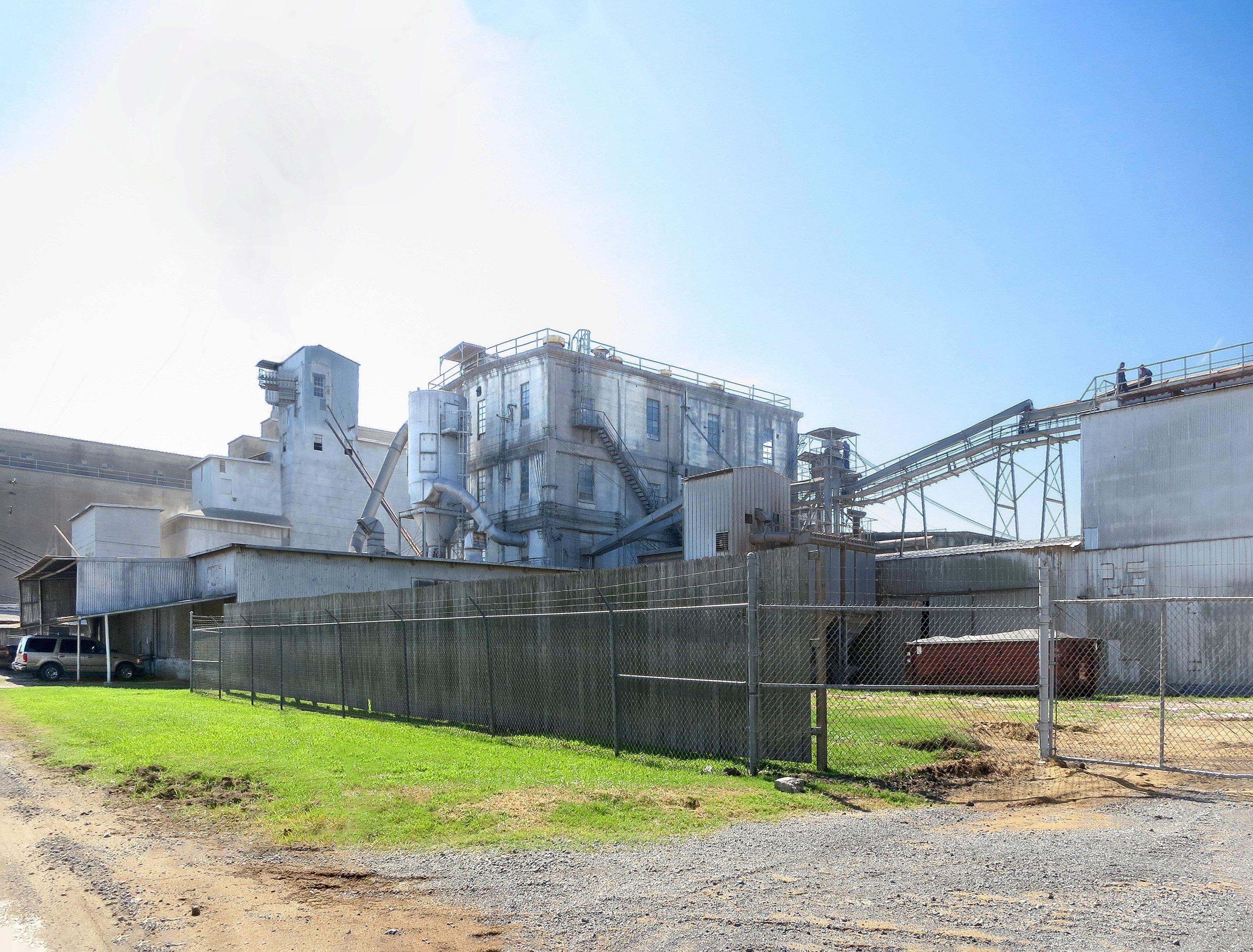
Exploring the Fundamentals of Rice Mill Plant Design and Layout
Designing a rice mill plant requires a thoughtful approach to maximize efficiency and productivity. The layout plays a crucial role in ensuring the smooth flow of raw materials through various processing stages. A well-structured design will integrate essential components such as cleaning, husking, milling, and packaging into a cohesive system. Key considerations should include the placement of machinery to minimize handling and transportation time, as well as to optimize space utilization. It’s vital to ensure that the airflow and dust extraction systems are strategically positioned to maintain air quality and worker safety while enhancing operational efficiency.
Another critical aspect of rice mill plant design is the infrastructure that supports the equipment and operations. Factors such as water supply, electricity, storage, and waste management must be thoroughly planned. The following elements should be carefully addressed for a robust operational setup:
- Effective raw material storage to prevent spoilage and ensure a continuous supply.
- Reliable power sources to run machinery without interruptions.
- Efficient waste disposal systems to handle byproducts sustainably.
To illustrate the interconnections between various components of a rice mill plant, the table below summarizes essential equipment and their functions:
| Equipment | Function |
|---|---|
| Pre-cleaner | Removes impurities like stones and dust from raw rice. |
| Husker | Strips off the husk to reveal the brown rice. |
| Milling machine | Polishes the rice and removes bran layers. |
| Packaging unit | Package the finished rice for distribution. |

Key Technologies Enhancing Efficiency in Rice Milling Operations
Modern rice milling operations have embraced a variety of innovative technologies aimed at streamlining processes and reducing waste. These advancements not only enhance efficiency but also improve the quality of the final product. Among the most impactful technologies are:
- Automated Rice Mill Machinery: This technology allows for continuous operation with minimal human intervention, reducing labor costs and increasing throughput.
- Digital Grain Moisture Meters: By accurately measuring moisture levels, these devices help prevent spoilage and ensure optimal milling conditions.
- Optical Sorting Machines: Utilizing advanced imaging systems, these machines separate defective grains from the batch, improving overall quality.
- Energy Efficient Boilers: New boiler designs consume less fuel and operate more effectively, contributing significantly to reduced operational costs.
Furthermore, employing data analytics and IoT (Internet of Things) can transform traditional rice milling into a smart operation. By harnessing real-time data, mill operators can track production metrics, predict maintenance needs, and optimize resource allocation. Consider implementing:
| Technology | Benefit |
|---|---|
| IoT Sensors | Enable remote monitoring and predictive maintenance. |
| Data Analytics Software | Provide insights for process improvement and waste reduction. |
This integration of key technologies is essential for rice mill plants aiming to thrive in a competitive market, ensuring they maximize output while maintaining high standards of quality. With these tools, the potential for innovation and efficiency is truly limitless.

Sustainable Practices for Environmentally Friendly Rice Production
Implementing environmentally friendly techniques in rice production not only enhances sustainability but also optimizes yield and quality. One effective method is the adoption of crop rotation. This practice involves alternating rice with other crops, which helps improve soil health, reduce pest and disease pressures, and enhances biodiversity. Another vital strategy is the use of Integrated Pest Management (IPM), which combines biological, cultural, and chemical practices to minimize pesticide use. Additionally, employing organic fertilizers and improving water management through techniques like alternate wetting and drying (AWD) can significantly reduce water usage while maintaining high productivity.
To further support environmentally friendly rice production, incorporating precision agriculture technologies can help farmers monitor and manage inputs more effectively. This includes utilizing sensors and drones to assess crop health and optimize water and fertilizer application. Additionally, the establishment of rice straw management practices, such as composting or mulching, can enhance soil fertility by returning nutrients to the land. Furthermore, farmers can engage in certification programs that focus on sustainable practices, ensuring that their rice is produced in an eco-friendly manner while also appealing to environmentally conscious consumers. The table below illustrates some of these key sustainable practices:
| Practice | Description |
|---|---|
| Crop Rotation | Alternating rice with other crops to enhance soil health. |
| Integrated Pest Management (IPM) | Combining multiple pest control methods to minimize harm. |
| Alternate Wetting and Drying (AWD) | Water management practice that conserves water and enhances yield. |
| Precision Agriculture | Using technology to monitor crop health and manage resources efficiently. |
Navigating Financial Strategies for Investment in Rice Milling Ventures
In the journey of investing in rice milling ventures, establishing a robust financial strategy is essential for success. An effective approach begins with conducting a comprehensive market analysis to understand regional demands, pricing trends, and competition. This insight can shape investment decisions, helping identify optimal locations for mills. Furthermore, consider the following key strategies:
- Diversification of Product Offerings: Explore various rice products such as organic rice, specialty grains, and by-products like rice bran to maximize revenue streams.
- Operational Efficiency: Invest in advanced milling technology to enhance productivity, reduce wastage, and minimize costs.
- Financial Partnerships: Form alliances with local banks or cooperative societies for favorable financing terms and access to subsidies.
Additionally, budgeting and financial forecasting play a significant role in ensuring long-term sustainability. It is advisable to create a detailed financial model that includes projected costs, revenues, and breakeven analysis over multiple years. This not only helps in assessing the viability of the investment but also aids in securing funding from investors. Below is a simple example of a financial projection table relevant to rice milling operations:
| Year | Projected Revenue (USD) | Operational Costs (USD) | Net Profit (USD) |
|---|---|---|---|
| 1 | 150,000 | 100,000 | 50,000 |
| 2 | 200,000 | 120,000 | 80,000 |
| 3 | 250,000 | 140,000 | 110,000 |
In Conclusion
As we draw the curtains on our exploration of rice mill plants, it becomes evident that these industrious facilities play a vital role in transforming raw grain into a nourishing staple that feeds millions. The blueprint of successful rice milling is not merely about processing techniques but also about embracing innovation and sustainable practices. By unlocking the potential of rice mill plants, we not only enhance product quality but also contribute to a more resilient agricultural ecosystem.
Whether you are a seasoned miller, an aspiring entrepreneur, or someone simply intrigued by the intricacies of food production, the insights shared in this guide lay the groundwork for understanding the multifaceted world of rice milling. As we navigate an ever-changing landscape, let us be guided by the principles of efficiency, sustainability, and community engagement to ensure that rice mill plants continue to thrive and serve their essential purpose for generations to come.
In closing, the journey towards optimal rice milling is one of continuous learning and adaptation. As you venture forth, may you carry with you the knowledge to cultivate not just rice, but a thriving future for all who depend on this invaluable grain. Together, let us embrace the potential that lies within, and in doing so, honor the legacy of a fundamental food source that nourishes our world.




