
Unlocking Potential: The 4 Ton rice mill plant Journey
In the heart of agrarian landscapes where golden grains sway gently in the breeze, the tale of transformation begins. Welcome to the journey of the 4 Ton rice mill plant—a venture that embodies innovation, community, and the hidden possibilities within every grain of rice. This article delves into the intricate process of establishing a rice mill, illustrating not just the machinery and technology involved, but also the dreams and aspirations of those who bring it to life. From the early stages of conceptualization to the triumphant hum of production, we explore how this modest yet impactful plant unlocks potential, serving as a catalyst for economic growth and sustainable practices. Join us as we uncover the layers of passion, perseverance, and progress, shining a light on the journey that transforms raw harvests into a staple for countless tables across the globe.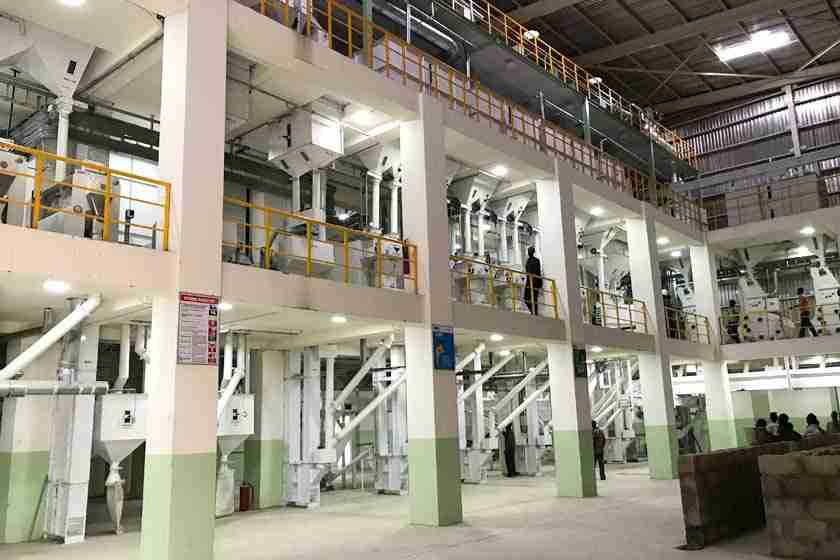
Exploring the Foundations of a Successful rice mill plant
The journey of establishing a rice mill plant, specifically one with a capacity of 4 tons, begins with a solid foundation. This foundation encompasses crucial components that ensure both efficiency and sustainability. The first aspect to consider is the design of the mill itself. A well-thought-out layout maximizes workflow, reduces energy loss, and enhances overall productivity. Key elements of an effective design include:
- Optimal equipment placement to facilitate smooth operations
- Easy access to storage areas for raw materials and finished products
- Ventilation systems for maintaining quality during processing
Alongside design, the selection of appropriate machinery plays a vital role in the mill’s success. The right equipment not only impacts production capacity but also the quality of the rice produced. Investing in high-standard machinery reduces downtime and maintenance costs. Important machinery components to evaluate include:
- Pre-cleaners to remove impurities before milling
- Paddy separators to ensure high-quality output
- Polishers for enhancing rice appearance and marketability
| Component | Function | Benefit |
|---|---|---|
| Pre-cleaner | Removes foreign matter | Improves rice quality |
| Paddy separator | Separates brown rice from husks | Increases yield efficiency |
| Polisher | Enhances rice’s appearance | Boosts market value |

Innovative Technologies Transforming Rice Processing Efficiency
In the quest for enhanced productivity in rice processing, innovative technologies are leading the charge towards efficiency and sustainability. Automation plays a pivotal role, streamlining each step from milling to packaging. Modern rice mill plants are equipped with advanced milling systems that not only improve the quality of the rice but also reduce waste significantly. Key advancements include smart sensors that monitor grain moisture levels and automated sorting machines capable of detecting impurities and defects, thus ensuring only the finest output reaches consumers.
The integration of data analytics is another game changer, allowing mill operators to make informed decisions based on real-time processing metrics. By analyzing throughput rates and energy consumption, operators can optimize their workflows and reduce operational costs. Furthermore, innovations such as solar energy systems for powering equipment have emerged, promoting sustainability while lowering carbon footprints. The synergy of these technologies fosters a thriving rice industry, poised to meet global demand while minimizing environmental impact.

Sustainability Practices in Rice Mill Operations
In the journey towards a more sustainable operation, modern rice mills are increasingly integrating eco-friendly practices into their daily processes. These initiatives not only reduce the environmental impact but also enhance the efficiency of operations, ensuring optimal resource utilization. Key sustainable practices include:
- Energy Efficiency: Implementing energy-efficient machinery and utilizing renewable energy sources, such as solar panels, can significantly lower carbon emissions and operational costs.
- Water Conservation: Adopting water recycling systems helps minimize water wastage during the milling process. Techniques like rainwater harvesting further bolster water sustainability.
- Waste Management: Emphasizing the utilization of rice husk and straw as biofuel or fertilizer contributes to a circular economy, reducing landfill dependencies.
- Integrated Pest Management (IPM): Using eco-friendly pest control methods not only safeguards crops but also protects local biodiversity.
To effectively track and optimize these sustainability efforts, rice mills can employ a structured approach through measurable targets. The table below illustrates potential key performance indicators (KPIs) for assessing environmental impact:
| Indicator | Target | Current Performance |
|---|---|---|
| Energy Consumption (kWh) | Reduce by 20% annually | Current: 10,000 kWh |
| Water Usage (liters) | Reduce by 30% annually | Current: 50,000 liters |
| Waste Diversion Rate (%) | Achieve 60% diversion | Current: 40% |
| Fertilizer Use (kg) | Reduce by 15% annually | Current: 800 kg |
By actively measuring these indicators, rice mills can make informed decisions that bolster their sustainable practices while contributing to the broader goal of environmental stewardship. The commitment to sustainability not only enhances operational resilience but also fosters positive community relationships and market competitiveness.
Strategic Investments for Maximizing Profitability and Growth
Strategic investments play a crucial role in enhancing the efficiency and profitability of a rice mill plant, particularly a 4-ton facility. By focusing on technology upgrades, business owners can streamline production processes and reduce operational costs. Key areas of emphasis include:
- Automated equipment: Integrating advanced machinery can significantly improve processing speed and quality.
- Energy efficiency: Investing in energy-efficient systems not only reduces costs but also supports environmental sustainability.
- Quality control systems: Ensuring that the quality of the final product meets market standards can build customer trust and drive sales.
Moreover, diversifying product offerings can open new revenue streams and stabilize income against market fluctuations. This approach allows for expansions into value-added products, such as:
| Product Type | Potential Market | Estimated Profit Margin |
|---|---|---|
| Rice Flour | Baking and cooking industries | 30% |
| Parboiled Rice | Health-conscious consumers | 25% |
| Rice Bran Oil | Culinary and cosmetic markets | 35% |
By strategically investing in both production technology and product diversification, the rice mill not only maximizes profitability but also positions itself for sustainable growth in a competitive landscape.
In Retrospect
the journey of the 4 Ton Rice Mill Plant stands as a testament to the remarkable potential that lies within agricultural innovation. From its inception to the final stages of production, this journey has illustrated not only the importance of sustainable practices but also the significant impact that technology can have on enhancing efficiencies and empowering local communities. As we reflect on this transformative process, it becomes clear that unlocking potential is a continuous endeavor—one that invites collaboration, adaptation, and forward-thinking approaches. With the right resources and commitment, the future of rice milling, and indeed agriculture as a whole, holds promise for increased productivity, economic growth, and a brighter path for farmers and consumers alike. Let us embrace this journey, for it is just the beginning of a broader movement towards unlocking potential across various sectors, ensuring that the seeds we plant today will bear fruit for generations to come.




