
Unlocking Potential: A Deep Dive into Rice Milling Units
In the world of agriculture, few staples hold as much significance as rice. Feeding more than half of the global population, this humble grain embodies the intersection of tradition and innovation, connecting cultures and cuisines across continents. But behind every grain lies a complex journey, one that begins long before it reaches our plates. At the heart of this journey are rice milling units—facilities that transform raw paddy into the polished grains we know and love. This article invites you to unlock the potential of these critical milling operations, exploring their mechanics, technologies, and economic impact. Together, we will delve into the intricacies of rice milling units, revealing how these often-overlooked engines of production not only enhance food security but also drive rural development and empower local economies. Join us as we uncover the intricate processes that make this grain a global staple, shining a spotlight on the unsung heroes of the rice supply chain.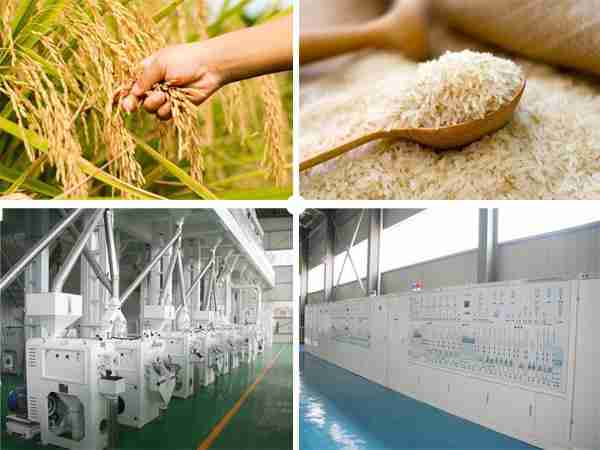
Understanding the Rice Milling Process and Its Importance
The rice milling process is a critical operation that transforms paddy rice into a market-ready product. This process entails several stages, each essential to ensuring that the rice retains its quality while achieving the desired level of refinement. The primary steps include:
- Cleaning: Removal of impurities such as dirt, stones, and other foreign materials from the paddy.
- Hulling: Decoupling the outer husk from the rice grain, resulting in brown rice.
- Milling: Further processing to remove the bran layer and polish the grain, producing white rice.
- Sorting: Classifying the rice based on size and quality to ensure uniformity.
This meticulous process not only impacts the appearance but also preserves the nutritional quality of the rice, vital for the health and wellness of consumers.
The importance of rice milling transcends simple grain processing; it holds significant implications for food security and economic stability. Effective milling enhances the shelf-life of rice, reducing food wastage and allowing it to be transported to various markets more efficiently. Furthermore, the milling industry supports local farmers by increasing the market value of their crops. Consider the following advantages brought by improved rice milling techniques:
| Advantage | Description |
|---|---|
| Enhanced Quality | Post-milled rice retains better flavor and texture. |
| Increased Yield | More polished grains lead to higher selling prices. |
| Health Benefits | Preserves more vitamins and nutrients during milling. |
Through understanding the milling process, stakeholders can make informed decisions that affect their livelihoods, increase productivity, and ensure that rice remains a staple food across the globe.

Exploring Technological Innovations in Rice Milling Units
In recent years, the rice milling industry has witnessed a significant transformation due to various technological innovations that enhance efficiency and output. These advancements not only optimize the milling process but also contribute to sustainability and quality improvement. Some of the key technologies revolutionizing rice milling units include:
- Automated Milling Systems: Machines equipped with AI-driven algorithms to monitor grain quality and adjust parameters automatically, ensuring consistency.
- Energy-efficient Machinery: Equipment designed to reduce energy consumption, thereby lowering operational costs while minimizing environmental impact.
- Smart Storage Solutions: IoT-enabled silos that provide real-time data on grain conditions to prevent spoilage and enhance shelf-life.
- Digital Inventory Management: Software systems that track inventory levels, streamline procurement processes, and boost overall operational efficiency.
Moreover, the integration of data analytics in rice milling units is paving the way for improved decision-making. By analyzing production data, mill operators can identify bottlenecks, forecast demand, and optimize their supply chains. The table below showcases some of these innovative technologies alongside their benefits:
| Technology | Benefits |
|---|---|
| AI Automated Systems | Consistent quality and efficiency. |
| Energy-efficient Machinery | Lower operational costs and reduced carbon footprint. |
| IoT-enabled Silos | Prevention of spoilage with real-time monitoring. |
| Data Analytics | Improved decision-making and operational insights. |

Assessing the Economic Impact of Efficient Rice Processing
Efficient rice processing plays a pivotal role in enhancing the economic viability of rice milling units. By adopting advanced milling techniques and technologies, operators not only reduce post-harvest losses but also improve overall product quality. This transformation is measurable through several key metrics, including:
- Increased Yield: Enhanced milling processes can elevate the amount of marketable rice produced per batch.
- Cost Efficiency: Streamlined operations reduce waste and lower energy consumption, translating into significant cost savings.
- Higher Market Value: Improved grain quality boosts demand and enables millers to command better prices for their products.
Moreover, the ripple effect of efficient rice processing extends beyond individual mills, positively influencing local economies and food security. When processing units operate effectively, they create a stable supply of high-quality rice, which is essential for consumers and businesses alike. The broader economic benefits can be encapsulated in a simple table:
| Economic Indicator | Impact of Efficient Processing |
|---|---|
| Job Creation | Increased workforce demand for milling and distribution |
| Investment Attraction | Improved profitability encourages reinvestment and new entrants |
| Local Development | Stronger rice supply chains enhance rural infrastructure |
the influence of efficient rice milling transcends operational advantages, underpinning a robust agricultural economy that prioritizes sustainability and profitability.
Best Practices for Sustainable Operations in Rice Milling
Enhancing sustainability in rice milling operations is vital to ensure both environmental responsibility and economic viability. One effective approach is to integrate renewable energy sources into the milling process. Utilizing solar panels or biogas systems can significantly reduce reliance on non-renewable energy, decreasing the carbon footprint. Additionally, optimizing energy consumption through energy-efficient machinery minimizes waste and operational costs.
Another key practice is to implement water conservation techniques throughout the milling process. Techniques such as rainwater harvesting and recycling mill effluents can effectively reduce water usage. Further, employing sustainable waste management practices—such as utilizing rice husks as biomass fuel—can turn byproducts into valuable resources. Training staff on these practices not only fosters a culture of sustainability but also empowers employees to make informed decisions that contribute to a greener operational framework.
| Practice | Benefit |
|---|---|
| Renewable Energy Integration | Reduces carbon footprint and operational costs. |
| Water Conservation | Minimizes water usage and promotes sustainability. |
| Waste Management | Transforms byproducts into valuable resources. |
To Conclude
the journey through the intricacies of rice milling units reveals not only the technical mechanisms that underpin this essential industry but also the profound impact these facilities have on communities and economies worldwide. As we unlock the potential of rice milling technology, we uncover pathways to enhanced efficiency, sustainability, and food security. The evolution of these units reflects a commitment to innovation and a dream of a future where every grain is maximized and every resource is respected. As we look ahead, it is clear that the right combination of tradition and technological advancement will sow the seeds for not just a thriving industry, but a more nourished and prosperous global community. The story of rice milling is far from over; it continues to unfold, inviting all stakeholders to actively participate in this vital chapter of agricultural progress.




