
Unlocking Potential: A 2-Ton Rice Mill Plant Project Journey
In the heart of the countryside, where golden fields sway gently in the breeze, an inspiring tale of ambition and ingenuity unfolds. This is the journey of a 2-ton rice mill plant project—a venture born from a simple dream of transforming agricultural potential into tangible prosperity. As we delve into the intricacies of this journey, we will explore the challenges faced, the innovations implemented, and the lives impacted by this endeavor. From the seeds of an idea to the blossoming of a fully operational facility, this narrative invites readers to witness the unlocking of potential in both grain and community, shedding light on the intricate relationship between industry and agriculture. Join us as we unravel the threads of this project, discovering how an unwavering commitment to progress can sow the seeds of success in even the most humble of beginnings.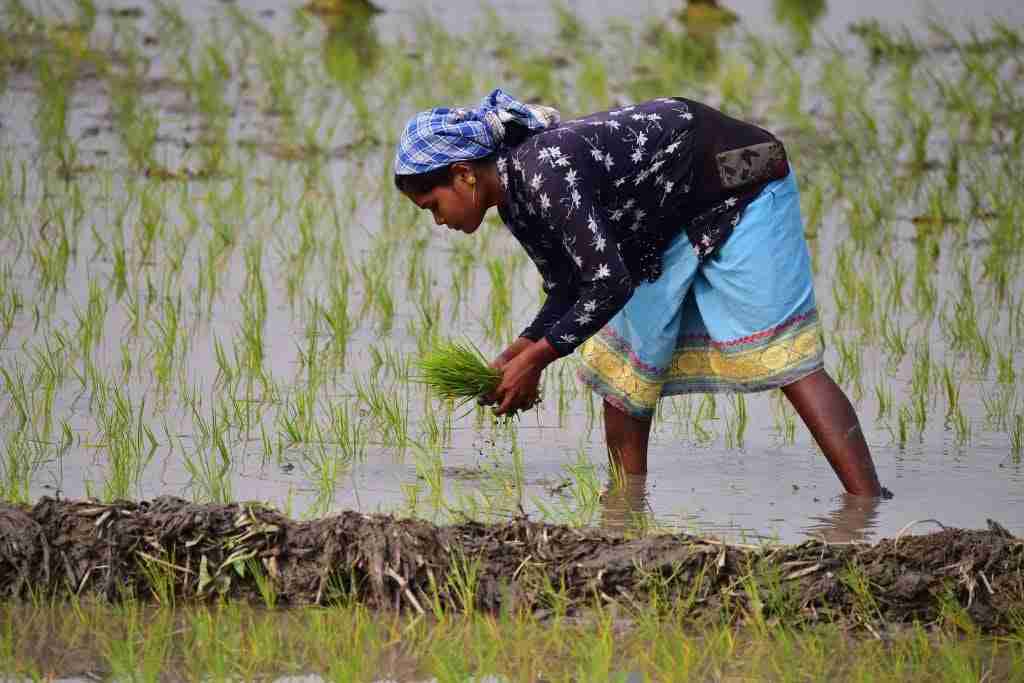
Discovering Opportunities in Rice Production
In the realm of agricultural innovation, rice production stands out as a significant venture that not only feeds millions but also offers substantial economic opportunities. By focusing on a 2-ton rice mill plant project, aspiring entrepreneurs can unlock a plethora of advantages. This journey is not merely about processing grains; it’s about transforming local economies through job creation and capacity building. Stakeholders can capitalize on the increasing demand for high-quality rice by establishing value-added services that benefit both farmers and consumers.
As we delve into this project, consider the following advantages that come with investing in rice milling:
- Increased Profit Margins: By milling rice locally, producers can significantly boost profit margins compared to selling paddy alone.
- Local Job Creation: A milling plant can employ a workforce from the community, enhancing local economic stability.
- Sustainability Initiatives: Implementing eco-friendly practices in operations can attract socially conscious consumers.
- Market Expansion: With a consistent supply of processed rice, businesses can explore both local and international markets.
| Investment Area | Description | Estimated Cost |
|---|---|---|
| Machinery and Equipment | Essential for rice processing, including milling and packaging. | $50,000 |
| Site Development | Construction of the mill and storage facilities. | $30,000 |
| Staff Training | Skills development for efficient operation of the mill. | $10,000 |
Through diligent planning and execution, this project has the potential to not only uplift individual stakeholders but also enhance the overall rice value chain. Investing in a rice mill aligns with broader goals of food security, economic resilience, and community development, creating a blueprint for future agricultural ventures in various regions. By embracing technology and sustainable practices, stakeholders can ensure that their businesses not only thrive but also contribute positively to society at large.

Navigating the Challenges of Plant Setup
Setting up a 2-ton rice mill plant involves multiple layers of complexity, from selecting machinery to understanding regulatory requirements. One significant challenge is sourcing quality equipment, which requires not only financial investment but also a deep understanding of what’s required for optimal processing efficiency. Collaborating with reputable suppliers can ease this aspect, but it is essential to analyze market options carefully. Considerations include examining the quality of parts, assessing after-sales service, and ensuring compatibility with local grain types. Moreover, establishing connections with local farmers and cooperatives can ensure a steady supply of raw materials, making the setup more sustainable and community-oriented.
Another aspect to navigate is the compliance with local regulations and industry standards. It’s vital to engage with local authorities early in the process to understand necessary permits and environmental considerations. Creating a checklist can be an effective way to ensure that all legal aspects are covered before operations commence. A suggested checklist may include:
| Regulatory Requirement | Status |
|---|---|
| Environmental Impact Assessment | Completed |
| Health and Safety Compliance | Pending |
| Operational Permits | In Process |
In facing these challenges, it’s important to foster an agile mentality within your team, enabling quick adaptations to changing circumstances. By cultivating robust communication channels and establishing clear roles, your workforce can pivot as necessary, ensuring that the project moves forward efficiently.

Sustainable Practices for Maximizing Efficiency
In the quest to achieve operational excellence, embracing sustainable practices is essential for optimizing efficiency in the rice milling process. The 2-ton rice mill plant project exemplifies this journey by integrating various eco-friendly techniques that not only reduce waste but also enhance productivity. Key practices include:
- Energy Conservation: Implementing energy-efficient machinery and utilizing renewable energy sources, such as solar panels, to power equipment.
- Water Management: Recycling water used in the milling process and employing rainwater harvesting systems to minimize water consumption.
- Waste Utilization: Transforming by-products like husks into biofuel or organic fertilizers, thereby creating a circular economy within the plant.
Moreover, the use of technology is pivotal to streamline operations and minimize resource wastage. Techniques such as smart scheduling and IoT-driven monitoring systems can significantly boost efficiency. Consider the following benefits:
| Technology | Benefit |
|---|---|
| Smart Scheduling | Reduces downtime and maximizes production output. |
| IoT Monitoring | Enables real-time tracking of resource usage and machine performance. |
Innovative Marketing Strategies to Boost Profitability
In the quest to elevate the profitability of a 2-ton rice mill plant, embracing a multi-faceted approach to marketing has become essential. By tailoring strategies to resonate with the local farming community, we can foster stronger relationships and drive sales. Digital marketing techniques, such as targeted social media campaigns and informative blog content, can effectively engage potential customers, educating them about the benefits of the mill and its products. Additionally, establishing partnerships with local rice farmers and cooperatives can enhance credibility and word-of-mouth referrals, ultimately strengthening market presence.
The integration of customer feedback mechanisms will provide valuable insights for product development and service enhancement. Leveraging technology, like a user-friendly mobile application, can streamline customer orders, facilitate payments, and provide updates on milling services. Complementing this with seasonal promotions and educational workshops on rice production can attract more clients while fostering a sense of community engagement. The table below outlines some innovative strategies that can be implemented:
| Strategy | Expected Outcome |
|---|---|
| Targeted Social Media Campaigns | Increased brand awareness and customer engagement |
| Partnerships with Farmers | Enhanced credibility and collaboration opportunities |
| Mobile Application Development | Improved customer convenience and order management |
| Workshops and Training | Stronger community ties and educational outreach |
In Conclusion
As we conclude our exploration of the “Unlocking Potential: A 2-Ton rice mill plant Project Journey,” we reflect on the intricate tapestry of ambition, innovation, and transformation that this project embodies. From the initial seed of an idea to the flourishing of a fully operational mill, each phase has illustrated the power of vision and the relentless pursuit of excellence.
Through carefully navigating challenges and harnessing opportunities, this rice mill plant not only promises to elevate local economies but also to inspire communities to embrace their potential. The stories of resilience, ingenuity, and collaboration serve as a beacon for future projects, illuminating the path for those aspiring to make a significant impact in their regions.
As we look forward, it’s clear that this journey is just the beginning. With the machinery now in motion and the grains of possibility flowing, we invite you to witness the profound changes that lie ahead. Together, we can unlock not just potential, but a sustainable future where every community has the tools to thrive. Thank you for joining us on this remarkable journey—stay tuned for what unfolds next.




