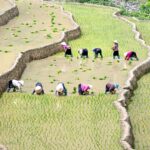
turning Grains into Gold: Launching a 2-Ton Rice Mill Project
In the heart of agriculture, where tradition meets innovation, an extraordinary venture is poised to transform humble grains into a prosperous future. The 2-ton rice mill project not only symbolizes a significant leap forward in agricultural processing but also embodies the age-old adage of turning grains into gold. As communities strive for lasting development and economic resilience, this initiative stands as a beacon of possibility, unlocking the potential of locally-sourced rice and offering a rich tapestry of benefits to farmers, local economies, and consumers alike. In this article, we will explore the intricacies of launching this ambitious project, delving into the technology, the challenges, and the far-reaching impacts on both a local and global scale. Join us on this journey as we uncover how a single mill can revolutionize livelihoods and infuse new energy into the agricultural landscape.

Understanding the Economic Landscape of Rice Milling Opportunities
The rice milling industry is thriving, with numerous opportunities emerging from the increasing global demand for rice as a staple food. The key to unlocking potential profits lies in understanding market trends and leveraging technology. A well-structured business plan is essential, guiding entrepreneurs through essential aspects such as capital investment, location selection, and target markets. adopting modern milling techniques not only enhances efficiency but also improves the quality of the finished product, appealing to health-conscious consumers.
Moreover,focusing on local supply chains can lead to reduced costs and increased sustainability. Building relationships with local farmers ensures a steady supply of raw materials, while also supporting the community. Key competitive advantages can be established through:
- Quality control: Ensuring high standards in milling processes.
- Branding: Creating a brand that resonates with consumers who value quality and sustainability.
- Diversification: Offering different varieties of rice and value-added products, such as rice flour or organic options.
To illustrate the potential returns on investment in the rice milling business, consider the following table that outlines potential revenue streams from a 2-ton rice mill project:
| Product | Estimated Annual Yield (Kg) | Market Price (per kg) | Estimated annual Revenue |
|---|---|---|---|
| White Rice | 20,000 | $0.60 | $12,000 |
| Brown Rice | 5,000 | $0.90 | $4,500 |
| Rice Flour | 1,000 | $1.20 | $1,200 |
These figures highlight the revenue potential and underscore the importance of strategic marketing and operational efficiency in the rice milling endeavor.By tapping into these opportunities and implementing smart business practices, a rice mill can truly turn grains into gold.
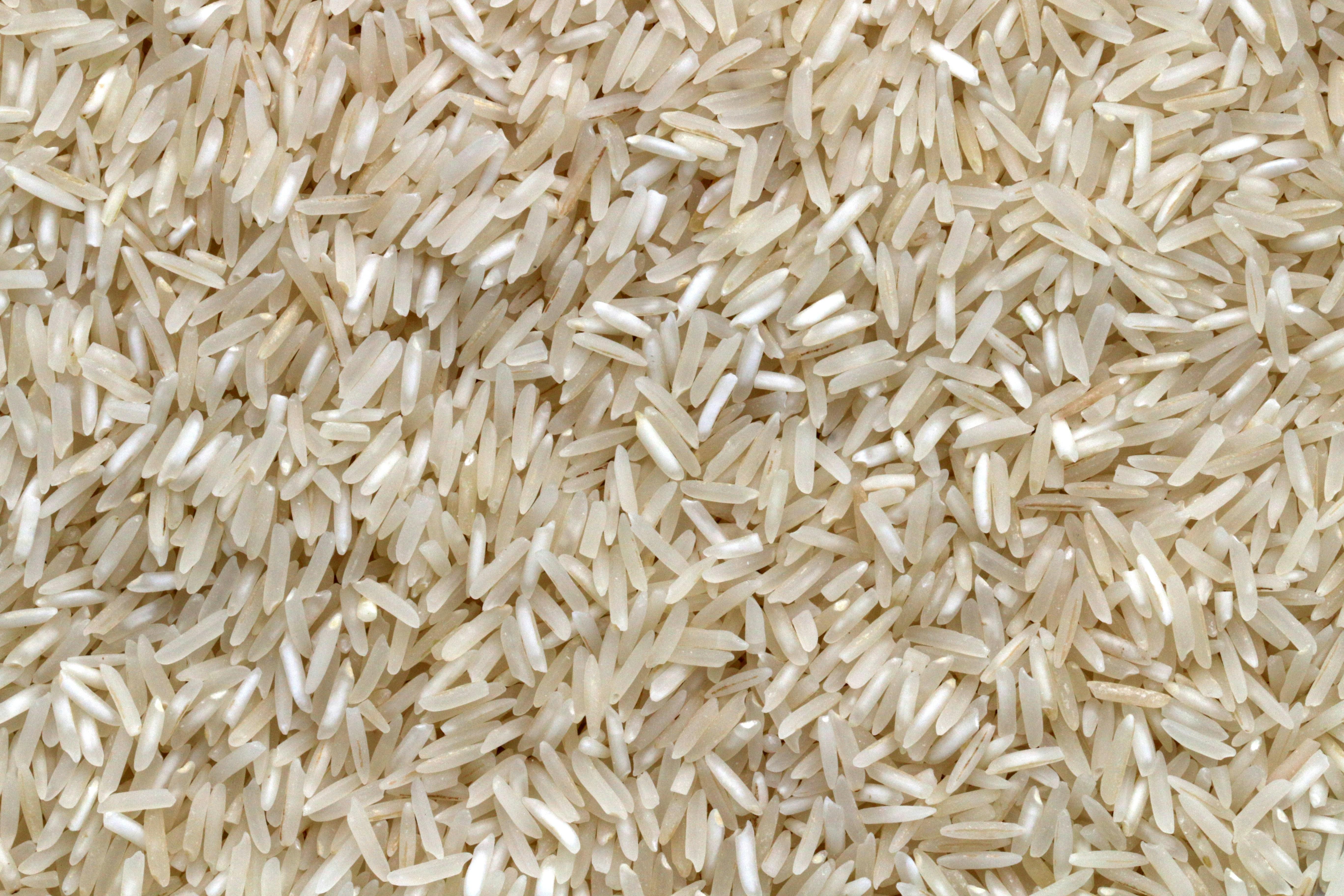
Essential Equipment and Technology for a Successful Rice Milling Venture
To launch a successful rice milling operation, investing in the right equipment and technology is paramount. A robust milling setup should include modern and efficient machinery that boosts productivity while maintaining the quality of the rice. Essential machinery to consider includes:
- Pre-cleaner: This equipment removes impurities and prepares grains for milling.
- Hullers: Vital for separating the husk from the rice grain.
- milling Machines: These are crucial for achieving the desired level of grain polishing.
- Separator: Helps in sorting the milled rice into different grades based on size.
- Packaging Machine: Ensures that the final product is securely packaged.
in addition to machinery, incorporating advanced technology can have a significant impact on efficiency. The integration of automated systems for tracking production and managing inventory can enhance operations. Consider investing in technologies such as:
- Digital Monitoring Systems: For live tracking of milling performance and quality control.
- Inventory Management software: To optimize storage and reduce waste.
- Data Analytics Tools: For assessing market trends and improving customer engagement.
| Equipment Type | Function | Importance |
|---|---|---|
| Pre-cleaner | Removes impurities | Essential for quality |
| Hullers | separates husk | crucial step in process |
| Milling Machines | Polishes grains | Enhances market value |
Smart Strategies for Sustainable Sourcing and Supply Chain Management
Implementing sustainable sourcing practices requires an innovative approach to engaging with local farmers and suppliers. By establishing direct relationships, the project can ensure fair pricing and ethical practices, fostering a sense of community and collaboration. This not only benefits the rice mill operations but also prioritizes environmental stewardship.Consider these methods:
- Support local biodiversity by sourcing seeds that are indigenous and resilient.
- Use regenerative agricultural practices that enhance soil health and promote sustainable yield.
- Integrate technology for better resource management,such as precision farming tools to minimize water and fertilizer use.
In addition to forging strong local connections, the rice mill can adopt a circular supply chain model. This includes strategies that reduce waste throughout the production process and maximize resource efficiency. Essential elements of this approach involve:
| Strategy | Description |
|---|---|
| Waste Minimization | Implementing practices to reuse by-products into innovative products |
| energy Efficiency | utilizing renewable energy sources to power operations |
| Logistics Optimization | Streamlining transportation routes to reduce carbon footprint |
Building a Robust Business Model for Profitability and Growth in Rice Milling
Establishing a winning business model in the rice milling industry involves understanding the market dynamics and tailoring operations to meet consumer demands while maximizing profits. Key factors to consider include:
- quality Control: Implement strict quality assurance processes to ensure the rice milling meets both local and international standards.
- Cost Management: Optimize your operational costs by utilizing efficient technologies and negotiating favorable contracts with suppliers.
- Market Research: Regularly analyse consumer preferences and trends to adapt your product offerings accordingly.
- Distribution Channels: Develop robust distribution networks that can definitely help you reach various customer segments effectively.
To further enhance your business model, consider leveraging partnerships and collaborations within the community. This can extend to:
- Local Farmers: Establish alliances with local rice growers to secure a consistent supply of high-quality raw material.
- Retailers: Form relationships with merchants and grocery stores to expand your market access and brand visibility.
- Export Opportunities: Explore foreign markets by meeting compliance requirements and establishing logistics for international shipping.
Below is a simple overview of potential revenue streams and their implications:
| Revenue Stream | Description | Profitability Potential |
|---|---|---|
| Retail Sales | Direct sales to consumers through local markets and grocery stores. | High |
| B2B Sales | Supplying rice in bulk to restaurants, caterers, and food processors. | Moderate to High |
| export Markets | international sales targeting countries with high demand for milled rice. | High |
Concluding Remarks
As we conclude our exploration of the intricacies involved in launching a 2-ton rice mill project, it’s clear that the journey from field to mill is more than just a transformation of grains—it’s a testament to innovation, resilience, and the power of sustainable practices. Turning grains into gold is not merely a slogan; it encapsulates the promise of economic empowerment and food security for communities.
With each bite of rice, there is a story of hard work, meticulous planning, and visionary leadership behind it. By investing in modern milling technology and embracing eco-kind practices, prospective millers can unlock the full potential of rice, together enriching their local economies and ensuring a brighter, more sustainable future for generations to come.
As you embark on this venture, remember that every step taken brings you closer to not only realizing your goals but also contributing to a broader narrative of agricultural innovation. Whether you’re a seasoned entrepreneur or a newcomer to the industry, the blueprint is laid. It’s time to turn that vision into reality. The grains await—let’s turn them into gold.